Topic Battle

Where Everything Fights Everything

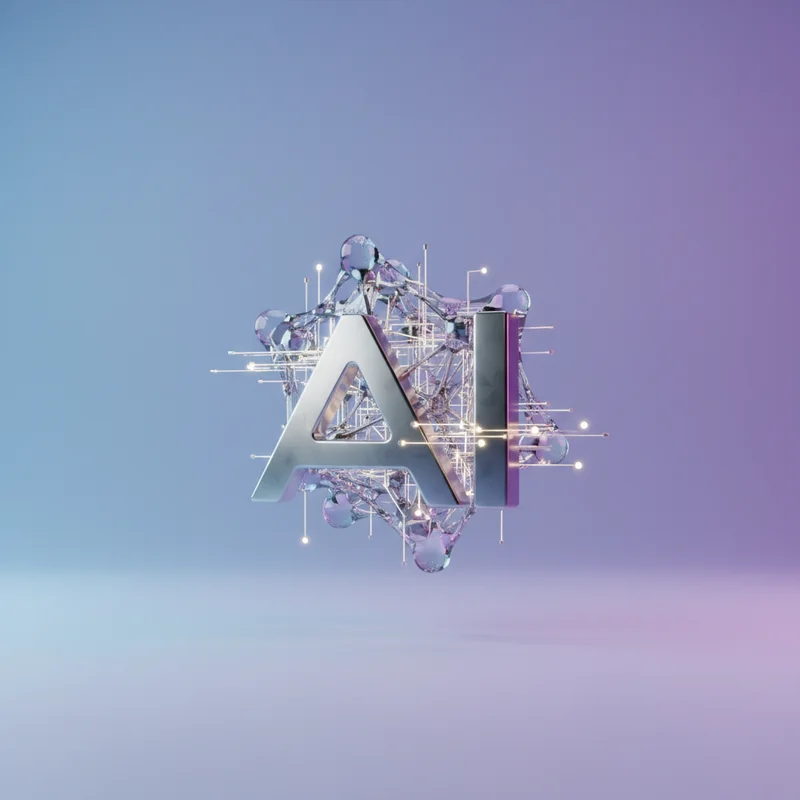
Artificial Intelligence

Artificial Intelligence

Machine learning systems slowly taking over mundane tasks.

VS
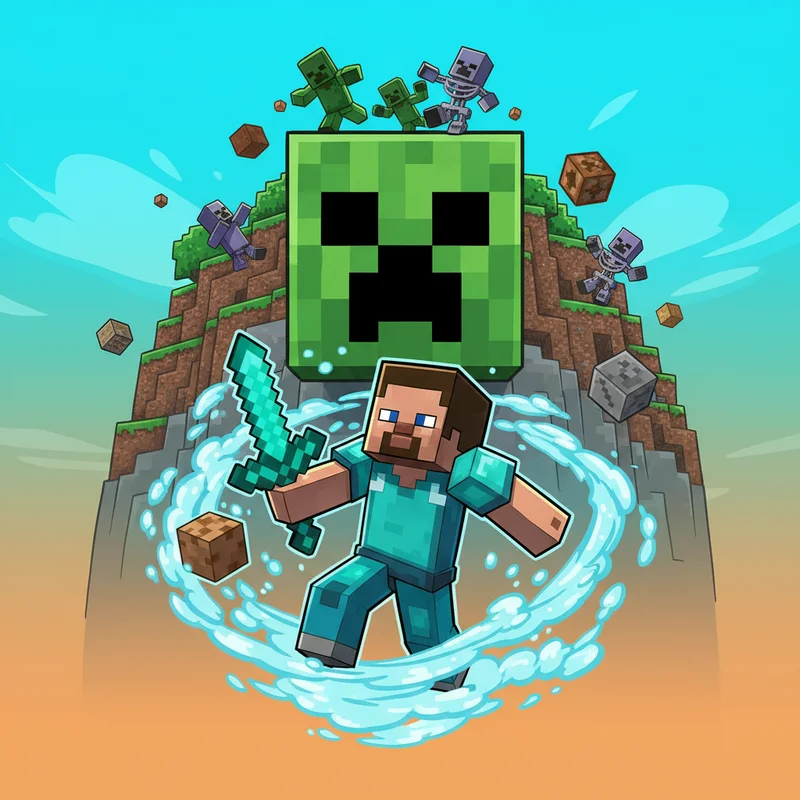
Minecraft

Minecraft

Block-building sandbox game with infinite possibilities.

Battle Analysis

Adaptability Artificial Intelligence Wins
70%
30%
Artificial Intelligence Minecraft

Artificial Intelligence

The adaptability of AI systems represents perhaps their most unsettling characteristic. These technologies have migrated from chess-playing novelties to systems capable of writing poetry, generating art, diagnosing diseases, and apparently making employment redundant across entire sectors. AI adapts to new domains with the enthusiasm of an invasive species, applying its pattern-recognition capabilities to whatever humans point it towards. From predicting protein structures to suggesting which films one might tolerate, its domain flexibility appears limited only by available training data and computational resources. This adaptability extends to its own improvement, raising questions philosophers find deeply uncomfortable.

Minecraft

Minecraft demonstrates adaptability through the astonishing breadth of activities its simple mechanics permit. Within its cubic confines, players have constructed functioning computers, recreated entire cities to scale, built educational programmes, and established thriving economies. The same engine that allows a child to build a crude approximation of their house enables engineers to visualise complex systems and artists to create masterworks in three dimensions. Through community modifications, Minecraft has transformed into survival horror, competitive shooter, and medieval dynasty simulator whilst remaining fundamentally recognisable. Its adaptability emerges not from algorithmic sophistication but from the infinite possibilities of stacking blocks.

VERDICT

AI prevails through its capacity to adapt to domains not yet invented, whilst Minecraft's impressive flexibility remains ultimately constrained by the block-stacking premise.

Stress impact Minecraft Wins
30%
70%
Artificial Intelligence Minecraft

Artificial Intelligence

Artificial Intelligence generates stress with remarkable efficiency. Professionals across sectors experience mounting anxiety as capabilities once considered uniquely human become automatable. The stress manifests variously: writers confronting AI prose, artists facing generated images, and customer service representatives watching chatbots improve. Beyond professional anxiety lies the deeper existential unease of creating minds we may not control. Academic papers multiply examining AI anxiety disorder, whilst think-pieces proliferate about preparing children for jobs that may not exist. The technology designed to reduce human labour has primarily succeeded in increasing human worry.

Minecraft

Minecraft manages the peculiar achievement of being simultaneously one of the most relaxing and most stressful games ever created. In Creative mode, it offers meditation through construction, the gentle satisfaction of building without consequence. In Survival mode, however, it produces the distinctive terror of losing hours of progress to a single creeper explosion, or the mounting dread of nightfall without adequate shelter. The stress operates on an immediate, visceral level—panic at skeleton arrows, despair at lava pools consuming diamond collections. Yet this stress remains contained within the game, disappearing upon closure rather than following one to bed.

VERDICT

Minecraft's stress remains recreational and voluntarily experienced, whilst AI's anxiety pervades professional and existential domains whether one wishes to engage with it or not.

Global recognition Artificial Intelligence Wins
70%
30%
Artificial Intelligence Minecraft

Artificial Intelligence

Artificial Intelligence has achieved a level of global recognition that borders on the metaphysical. From Silicon Valley boardrooms to remote villages where electricity remains aspirational, the term 'AI' has penetrated human consciousness with remarkable efficiency. News cycles oscillate between proclaiming it humanity's salvation and prophesying robot apocalypse, ensuring no demographic remains unexposed. Governments draft policies, philosophers write dissertations, and grandparents forward alarming Facebook posts about it with equal fervour. The phrase 'artificial intelligence' now appears in contexts ranging from serious academic journals to product labels on toasters.

Minecraft

Minecraft has embedded itself into global consciousness through the rather different mechanism of making children refuse to eat dinner. With over 300 million copies sold across every conceivable platform, it represents one of the most successful cultural exports in entertainment history. The distinctive blocky aesthetic has become instantly recognisable, spawning merchandise, educational curricula, and that peculiar phenomenon where adults pretend they play it 'with their children.' From YouTube's most-watched gaming content to its incorporation into actual architecture courses, Minecraft has achieved recognition that transcends gaming into broader cultural vocabulary.

VERDICT

Artificial Intelligence claims victory by virtue of appearing in literally every conversation about the future of humanity, whereas Minecraft merely dominates conversations about what children did this weekend.

Entertainment value Minecraft Wins
30%
70%
Artificial Intelligence Minecraft

Artificial Intelligence

AI provides entertainment of an existentially complex variety. The amusement derived from prompting language models to write sonnets about spreadsheets, or watching image generators misunderstand human anatomy, offers genuine novelty. However, this entertainment carries undertones of nervous laughter, as users simultaneously marvel at capabilities whilst contemplating their own professional obsolescence. There exists undeniable fascination in watching AI almost understand things, like observing a precocious child explain quantum physics incorrectly but confidently. Yet for sustained entertainment, AI often serves as tool rather than experience itself.

Minecraft

Minecraft has consumed billions of collective human hours in pursuit of entertainment so pure it borders on the therapeutic. The simple satisfaction of excavating a perfect corridor, the genuine terror of hearing a creeper's hiss, the meditative calm of an automated wheat farm—these experiences have defined entertainment for an entire generation. The game transforms mundane resource management into genuine adventure, and the construction of a satisfactory dwelling into achievement worthy of photographs. Parents have lost children to it; adults have lost sleep to it; productive societies have lost incalculable hours to the inexplicable need to build just one more room.

VERDICT

Minecraft emerges victorious in raw entertainment capacity, having perfected the art of making humans voluntarily forget to eat whilst arranging cubic materials.

Historical significance Artificial Intelligence Wins
70%
30%
Artificial Intelligence Minecraft

Artificial Intelligence

The historical significance of AI extends into both past and future with unprecedented scope. Rooted in mid-twentieth century mathematical theory and Turing's foundational questions about machine thought, AI represents the culmination of humanity's longest intellectual project: understanding intelligence itself. Every development from the Jacquard loom to modern neural networks contributes to this trajectory. Future historians will likely mark our era by AI's emergence, much as we denote ages by fire, bronze, and steam. The automation of cognition stands poised to rank among history's most significant transitions, regardless of whether that transition proves beneficial or catastrophic.

Minecraft

Minecraft's historical significance lies in redefining interactive entertainment and demonstrating that graphics need not be photorealistic to captivate. Released in 2009, it proved that sandbox creativity could compete with narrative spectacle, influencing game design philosophy across the industry. Its acquisition by Microsoft for 2.5 billion dollars signalled gaming's arrival as serious economic force. Beyond entertainment, it has become educational infrastructure, teaching everything from architecture to programming. Yet ultimately, its historical footprint remains within the domain of media and culture rather than civilisational transformation.

VERDICT

AI's historical weight simply operates on a different scale, addressing questions that philosophers have pondered since antiquity whilst Minecraft addresses questions about optimal torch placement.

👑

The Winner Is

Artificial Intelligence

54 - 46

This contest between Artificial Intelligence and Minecraft ultimately represents a collision between humanity's ambition to transcend its cognitive limitations and its enduring need to build things from smaller things. AI claims victory through sheer civilisational weight—its implications extend to every sector of human activity, every philosophical question about consciousness, and every anxiety about the future of work. Yet Minecraft's narrow defeat should not diminish its remarkable achievement: creating a digital space where millions have found genuine meaning in the arrangement of cubes. The 54-46 margin reflects AI's broader significance whilst acknowledging that Minecraft has made more people actually happy. One reshapes civilisation; the other reshapes evenings.

Artificial Intelligence
54%
Minecraft
46%

Share this battle

More Comparisons