Topic Battle

Where Everything Fights Everything

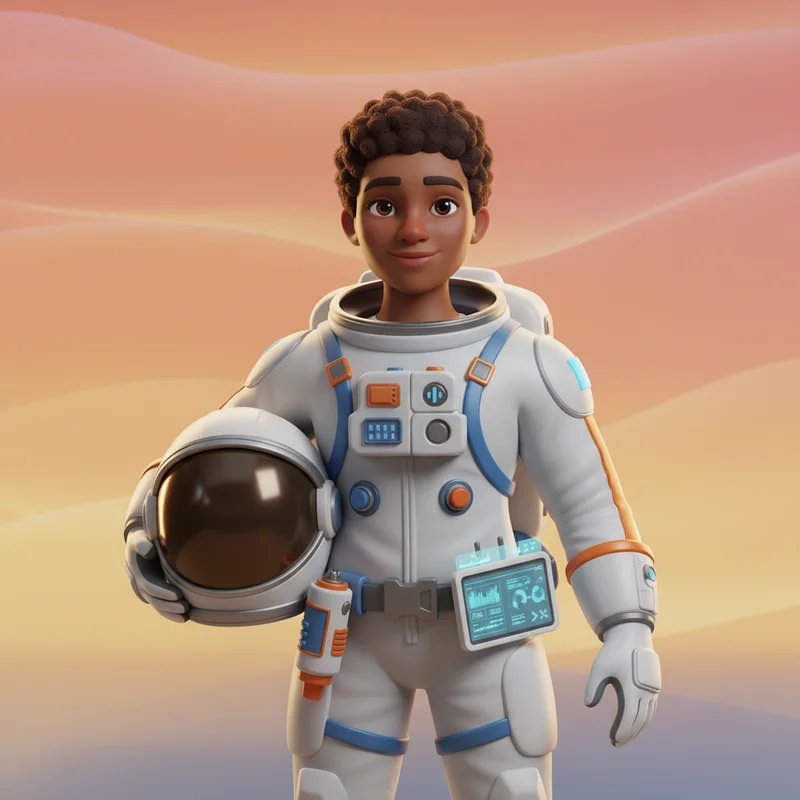
Astronaut

Astronaut

Space explorer pushing human boundaries.

VS
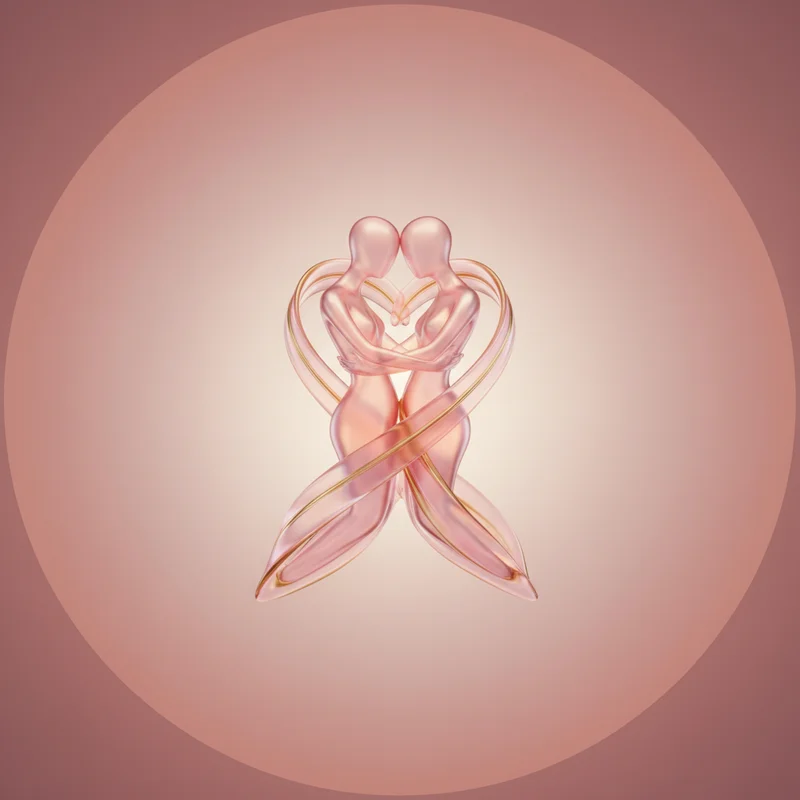
Love

Love

Universal emotion driving art, war, and terrible decisions.

Battle Analysis

Symbolism Love Wins
30%
70%
Astronaut Love

Astronaut

The astronaut stands as perhaps the most potent symbol of human ambition, ingenuity, and the refusal to accept limitations. When Neil Armstrong stepped onto the lunar surface in 1969, he represented the culmination of thousands of years of human skyward gazing.

Love

Love serves as perhaps humanity's most universal symbol, transcending cultural and temporal boundaries. The heart shape is recognised instantly on every continent. Love has inspired the construction of the Taj Mahal, the composition of countless symphonies, and the founding of entire religious traditions.

VERDICT

Astronauts inspire awe; love inspires temples, symphonies, and the endurance of the species itself.
Complexity Love Wins
30%
70%
Astronaut Love

Astronaut

The making of an astronaut requires systematic mastery of multiple scientific disciplines, physical conditioning that would challenge professional athletes, and psychological fortitude. NASA's astronaut selection process accepts roughly 0.04% of applicants.

Love

Love presents a complexity that has confounded philosophers, poets, and neuroscientists in equal measure for millennia. The phenomenon involves an intricate dance of dopamine, oxytocin, serotonin, and norepinephrine that no pharmaceutical company has ever successfully replicated. No instruction manual exists.

VERDICT

Rocket science has equations; love has only unanswerable questions and poetry of variable quality.
Durability Love Wins
30%
70%
Astronaut Love

Astronaut

An astronaut's career spans, on average, 15 to 20 years of active service. The longest continuous spaceflight lasted 437 days. Astronauts must eventually return to Earth and retire.

Love

Love, when properly maintained, demonstrates remarkable longevity. Couples celebrating diamond anniversaries represent living proof that the emotion can persist for six, seven, even eight decades. Archaeological evidence suggests humans have experienced romantic attachment for at least 200,000 years.

VERDICT

Astronaut careers end; love persists across generations and civilisations without scheduled maintenance.
Fear factor Astronaut Wins
70%
30%
Astronaut Love

Astronaut

Astronauts face the prospect of explosive decompression, radiation exposure, and equipment failures in environments where rescue is measured in hours or days. Space itself will kill a human in approximately 15 seconds of unprotected exposure.

Love

Love's terrors penetrate deeper into the psyche. The fear of rejection, the vulnerability of emotional exposure, and the prospect of loss create anxieties that no amount of training can fully eliminate. Heartbreak activates the same neural pathways as physical pain.

VERDICT

Space can kill you quickly; love kills slowly and makes you write poetry about it.
Global reach Love Wins
30%
70%
Astronaut Love

Astronaut

As of late 2024, only 622 individuals from approximately 44 countries have ever reached space, representing roughly 0.000008% of humanity.

Love

Love operates with absolute democratic equality, recognising no borders, requiring no visa applications. Every inhabited continent reports its presence. Conservative estimates suggest that billions of humans are actively experiencing some form of love at this very moment.

VERDICT

622 astronauts in history versus billions of lovers at any given moment across every society.
👑

The Winner Is

Love

45 - 55

Love emerges with a marginal but meaningful advantage of 55 to 45. The astronaut represents the pinnacle of what organised human endeavour can achieve. Yet love operates on a plane that no spacecraft can reach, no government can fund, and no training programme can guarantee.

Astronaut
45%
Love
55%

Share this battle

More Comparisons