
Topic Battle

Where Everything Fights Everything

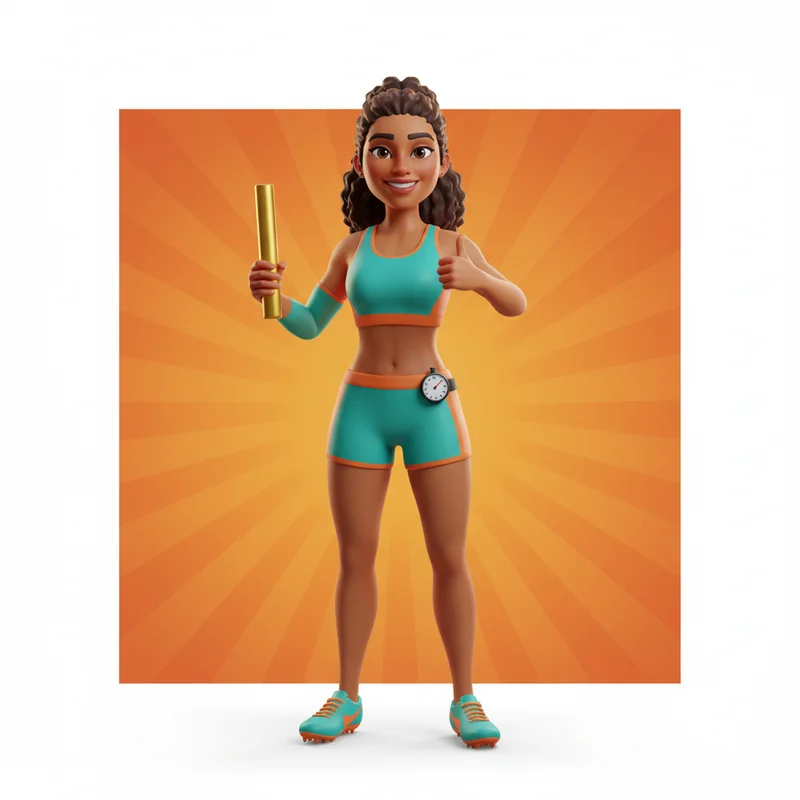
Athlete

Athlete

Professional sports competitor at peak physical form.

VS
Procrastination

Procrastination

The art of doing everything except the one thing you should be doing. A universal human experience that has spawned more clean apartments, reorganized sock drawers, and Wikipedia deep dives than any productivity method ever could.

Battle Analysis

Speed athlete Wins
70%
30%
Athlete Procrastination

Athlete

The professional athlete's relationship with speed represents one of humanity's most obsessive pursuits. Elite sprinters achieve velocities of 44.72 kilometres per hour—the peak recorded by Usain Bolt during his 100-metre world record. Swimming champions propel themselves through water at 8.6 km/h, whilst cyclists reach 280 km/h in motorpaced events.

Response times are equally impressive. A professional tennis player reacts to serves travelling at 250 km/h within approximately 400 milliseconds. Baseball batters must initiate swing decisions in under 125 milliseconds—faster than the human blink reflex. This pursuit of speed permeates every aspect of athletic life, from the instantaneous muscle fibre recruitment during explosive movements to the rapid metabolic processes that fuel performance.

Procrastination

Procrastination demonstrates a fundamentally different relationship with velocity, one characterised by its complete absence. The procrastinator achieves speeds that hover remarkably close to zero, with forward momentum on important tasks measuring at approximately 0.0 kilometres per hour for extended periods.

Yet this assessment requires nuance. Procrastination often involves considerable speed in non-essential activities. The individual avoiding a tax return may reorganise an entire wardrobe with startling efficiency, clean kitchen surfaces with unprecedented vigour, or scroll through social media at rates exceeding 300 posts per hour. This selective velocity—rapid motion in all directions except the necessary one—represents procrastination's distinctive kinetic signature.

VERDICT

Athletes achieve 44.72 km/h in purposeful motion; procrastinators achieve similar speeds exclusively in activities that are entirely beside the point.
Durability procrastination Wins
30%
70%
Athlete Procrastination

Athlete

Athletic careers, despite the extraordinary physical conditioning involved, demonstrate surprisingly limited durability. The average professional footballer's career spans approximately 8 years, whilst gymnasts typically retire before age 25. The cumulative toll of repetitive stress injuries, joint degradation, and the inevitable decline in fast-twitch muscle fibre performance creates a finite window of competitive viability.

Even during active careers, athletes face constant attrition. A professional rugby player can expect approximately 2.5 concussions per career, whilst distance runners accumulate stress fractures and tendinopathy with concerning regularity. The body that enables elite performance simultaneously imposes strict temporal limitations upon it.

Procrastination

Procrastination exhibits extraordinary durability across the human lifespan. Unlike athletic performance, which peaks in the mid-twenties before declining, procrastination demonstrates remarkable consistency from adolescence through retirement. Studies indicate that approximately 20 percent of adults identify as chronic procrastinators, a figure that remains stable across age cohorts.

The condition requires no physical infrastructure to maintain, suffers no degradation from overuse, and indeed may strengthen with practice. A procrastinator at 70 demonstrates the same capacity for task avoidance as one at 17, perhaps with even greater sophistication in excuse generation. This persistence across the lifespan represents a durability that athletic performance simply cannot match.

VERDICT

Athletic careers average 8-15 years; procrastination maintains peak performance from adolescence through the grave.
Reliability procrastination Wins
30%
70%
Athlete Procrastination

Athlete

Athletic performance demonstrates considerable variability despite intensive preparation. Weather conditions, minor injuries, psychological state, and opponent quality introduce uncertainty into even the most predictable competitors. A sprinter's times may vary by 0.1-0.3 seconds between appearances—differences that determine victory or defeat at elite levels.

The physical systems underlying performance remain fundamentally inconsistent. Muscle fatigue, hydration status, sleep quality, and glycogen availability fluctuate daily, creating performance windows that require careful management. Even dominant athletes experience unexpected defeats, injury setbacks, and form slumps that defy scientific explanation.

Procrastination

Procrastination exhibits remarkable reliability in its core function: the consistent postponement of necessary tasks. Given any deadline, procrastination will ensure maximum delay with an efficiency approaching 100 percent. This consistency operates regardless of task importance, available time, or stated intentions to the contrary.

The phenomenon's predictability has enabled detailed academic study. Researchers can confidently predict that approximately 80-95 percent of university students will procrastinate on assignments, with the majority of work completed in the final 24 hours before submission. This reliability—the absolute certainty that procrastination will occur when conditions permit—represents a dependability that athletic performance simply cannot guarantee.

VERDICT

Athletic performance varies with countless biological factors; procrastination delivers consistent task avoidance with near-perfect reliability.
Global reach procrastination Wins
30%
70%
Athlete Procrastination

Athlete

Professional athletics maintains presence across virtually every nation, with the Olympic movement encompassing 206 member nations—more than the United Nations itself. The FIFA World Cup attracts television audiences exceeding 3.5 billion viewers, whilst major sporting events generate international attention rivalling global summits.

Yet athletic excellence remains fundamentally exclusive. Elite competitors represent a vanishingly small percentage of humanity, with professional leagues employing mere thousands from populations of billions. The NBA maintains approximately 450 active players; the English Premier League roughly 500. Viewing athletics is universal; practising it at elite levels is statistically improbable.

Procrastination

Procrastination achieves a global penetration that professional athletics can only envy. Research conducted across 40 countries reveals chronic procrastination rates of 15-20 percent regardless of cultural context, economic development, or educational system. The behaviour transcends language barriers, political boundaries, and socioeconomic classifications.

Unlike athletics, procrastination requires no facilities, equipment, or natural talent. It operates with equal efficacy in Tokyo apartments, London offices, and Lagos markets. The universality of task avoidance represents one of humanity's few truly democratic experiences—available to all, regardless of physical capability, financial resources, or geographic location. Conservative estimates suggest 1.5 billion people engage in significant procrastination behaviours daily.

VERDICT

Athletics reaches 206 nations as spectacle; procrastination achieves 15-20% active participation rates across all cultures without requiring any talent whatsoever.
Social impact athlete Wins
70%
30%
Athlete Procrastination

Athlete

Athletes function as cultural icons whose influence extends far beyond competitive arenas. Professional sports generate community cohesion, with supporters of football clubs demonstrating tribal loyalties that persist across generations. The economic ripple effects—stadium employment, merchandise sales, tourism revenue—reshape urban landscapes and civic identities.

Individual athletes achieve fame that transcends their disciplines. Figures such as Serena Williams, Lionel Messi, and LeBron James command social media followings exceeding 100 million, wielding influence on matters ranging from product endorsements to social justice movements. The inspirational narrative of athletic achievement—discipline, sacrifice, triumph—provides motivational frameworks adopted across business, education, and personal development sectors.

Procrastination

Procrastination's social impact operates through more subtle mechanisms, though its effects prove no less significant. The condition contributes to $600 billion annually in lost productivity across American businesses alone, whilst generating considerable strain on personal relationships through missed commitments and abandoned responsibilities.

Yet procrastination also fosters unexpected social connections. The shared experience of deadline panic creates camaraderie among colleagues, whilst the elaborate excuse-generation process has elevated social creativity. The phrase "I'll do it tomorrow" unites humanity across cultures, providing common linguistic ground that transcends language barriers. Whether this represents positive social impact remains philosophically debatable.

VERDICT

Athletes inspire billions and generate measurable economic benefits; procrastination's social contributions consist largely of shared anxiety and impressive excuse construction.
👑

The Winner Is

Athlete

58 - 42

This rigorous comparative examination reveals a contest between fundamentally opposing philosophies of human existence. The athlete represents what humanity might achieve through disciplined application of effort—the systematic maximisation of physical potential through sacrifice, training, and unwavering commitment to improvement. The procrastinator represents what humanity actually does much of the time: elaborate avoidance of the tasks at hand through sophisticated diversionary manoeuvres.

The athlete prevails in speed and social impact, categories where purposeful action generates measurable outcomes that inspire broader populations. The metrics are undeniable: 44.72 km/h sprint velocities, 100 million social media followers, and the generation of communities built around competitive excellence. These achievements require extraordinary dedication and benefit from the natural advantages that enable elite performance.

Yet procrastination demonstrates surprising strength in durability, global reach, and reliability—categories that reflect the phenomenon's democratic accessibility and consistent operation. Unlike athletic excellence, which requires genetic fortune and decades of training, procrastination welcomes all participants equally and delivers its outcomes with unfailing predictability.

By a margin of 58 to 42 percent, the athlete emerges victorious. The purposeful application of human capability ultimately outweighs its systematic avoidance. Yet this verdict carries an ironic footnote: the procrastinator, upon learning of this defeat, will almost certainly delay any response until tomorrow. The athlete, by contrast, is already training for the next competition. The difference between them—the choice between action and its absence—defines not merely this comparison but the fundamental trajectory of human achievement.

Athlete
58%
Procrastination
42%

Share this battle

More Comparisons