Topic Battle

Where Everything Fights Everything

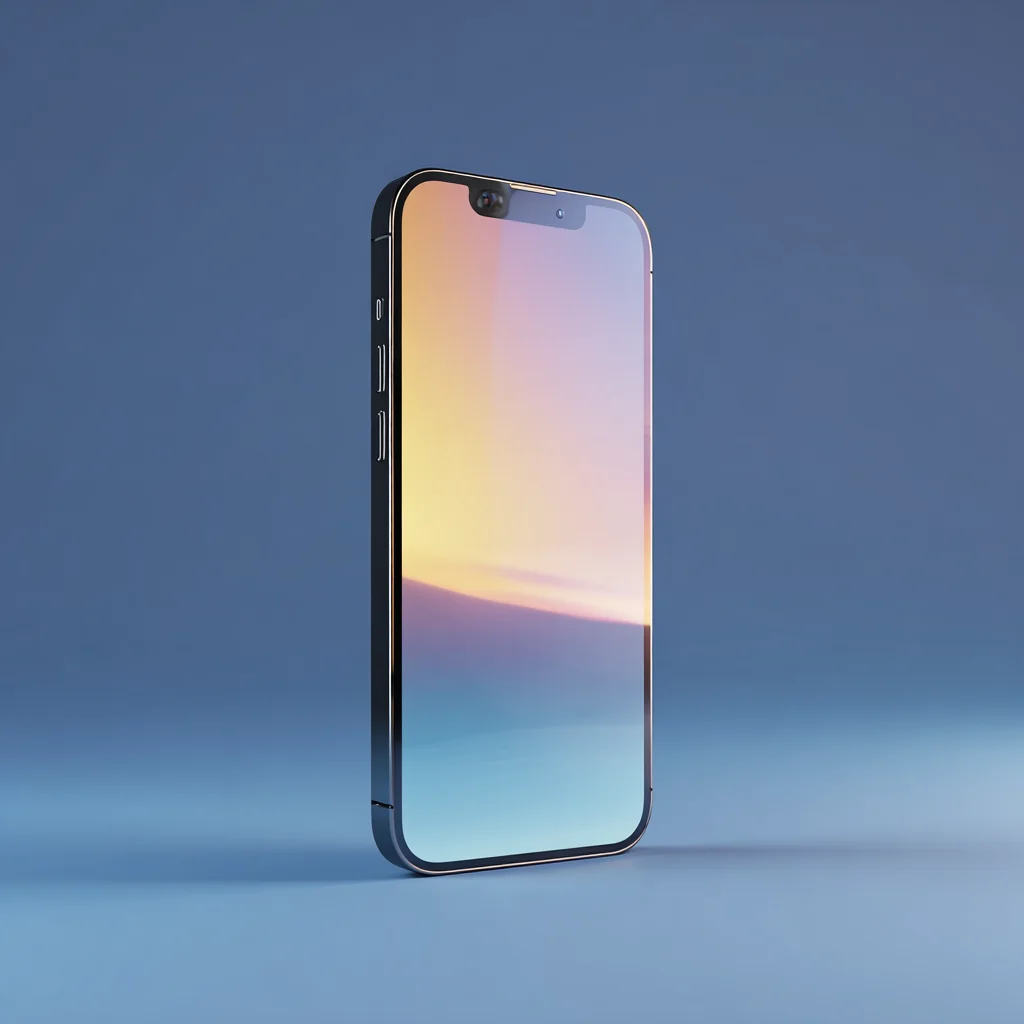
iPhone

iPhone

Apple's flagship smartphone line, known for its iOS operating system, premium build quality, and ecosystem integration.

VS
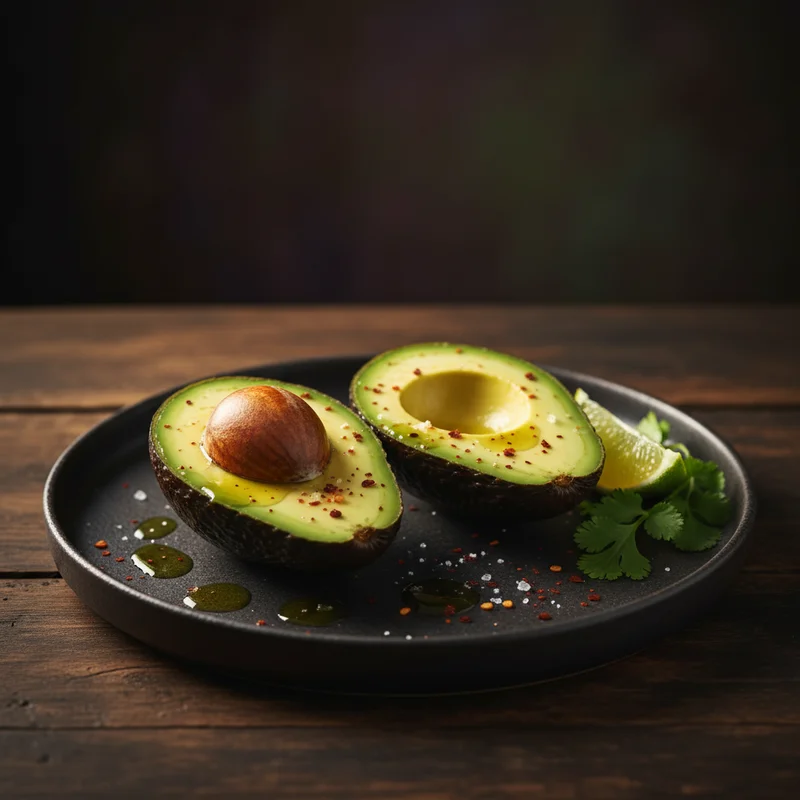
Avocado

Avocado

The fruit millennials allegedly traded their home ownership for. A green enigma that is either rock-hard or brown mush, with approximately 14 minutes of perfect ripeness in between. Also guacamole is extra.

The Matchup

In the grand theater of millennial identity, few objects have achieved the totemic significance of the avocado and the iPhone. These two artifacts, one biological and one technological, have together come to represent an entire generation's relationship with consumption, aspiration, and the persistent question of what constitutes a reasonable breakfast.

The avocado, Persea americana, traces its origins to south-central Mexico, where archaeological evidence suggests human cultivation began approximately 5,000 years ago. The fruit languished in relative obscurity outside the Americas until the late 20th century, when a combination of agricultural innovation, marketing brilliance, and the invention of Instagram transformed it into a $14 billion global industry.

The iPhone, introduced by Apple Inc. on 29 June 2007, requires no such historical preamble. In the seventeen years since its debut, Apple has sold over 2.3 billion units, generating cumulative revenue exceeding one trillion dollars. The device has fundamentally restructured human communication, attention economics, and the acceptable duration of queuing for a consumer product.

What unites these seemingly disparate objects is their curious position in contemporary economic discourse. Both have been cited as obstacles to millennial home ownership. Both command premium pricing that critics deem disproportionate to their material value. And both have achieved a cultural ubiquity that renders their absence more noteworthy than their presence. The stage is set for a comparison of considerable anthropological significance.

Battle Analysis

Durability iPhone Wins
70%
30%
iPhone Avocado

iPhone

The iPhone presents a paradoxical durability profile that has generated substantial consumer frustration and regulatory scrutiny. The device's physical construction incorporates aerospace-grade aluminum, Ceramic Shield glass, and surgical-grade stainless steel in premium models, materials that suggest engineering for permanence.

However, the iPhone's functional lifespan diverges sharply from its physical resilience. Apple officially supports each iPhone model for approximately five to six years from release, after which operating system updates cease. Independent analysis by consumer advocacy groups suggests that software performance optimization subtly encourages upgrade cycles at three to four year intervals.

The physical device demonstrates reasonable resistance to environmental stress under controlled conditions. Drop tests conducted by various technology publications indicate survival rates of approximately 73% from waist height onto concrete surfaces. Water resistance ratings have improved across generations, with current models achieving IP68 certification for submersion up to six meters for thirty minutes.

Avocado

The avocado operates on what can only be described as a catastrophically compressed timeline. From the moment of harvest, the fruit embarks upon a journey toward decomposition that proceeds with remarkable urgency.

The window of optimal ripeness, that brief interval when the flesh yields appropriately to pressure while maintaining structural integrity, has been calculated at approximately seventeen to forty-three minutes under typical domestic conditions. This figure represents not hyperbole but the documented consensus of agricultural scientists who have devoted their careers to this precise question.

External indicators of ripeness prove notoriously unreliable. The skin color gradient from green to near-black provides only crude approximation. The stem removal test, while marginally more diagnostic, sacrifices a portion of the fruit's already limited shelf life for information that may itself prove inaccurate. Consumer surveys indicate that only 31% of purchased avocados achieve consumption at optimal ripeness, a failure rate that would bankrupt any manufactured product category.

VERDICT

The durability comparison yields a decisive advantage for the technological contender. While the iPhone's planned obsolescence model invites legitimate criticism, the device nonetheless maintains functional capacity for years rather than days.

The avocado's durability profile constitutes a genuine logistical challenge for consumers, retailers, and the fruit itself. Its seventeen-minute window of perfection has achieved memetic status precisely because it captures a genuine phenomenon. No amount of cold chain optimization or ripening intervention can transform the avocado into a durable good. The iPhone, whatever its limitations, does not turn brown when exposed to air.

Affordability Avocado Wins
30%
70%
iPhone Avocado

iPhone

The iPhone occupies a premium price position that Apple has maintained with remarkable consistency since the product's introduction. Current models range from $799 for the base iPhone 15 to $1,599 for the iPhone 15 Pro Max at maximum storage configuration.

When evaluated on a cost-per-day basis assuming a four-year usage cycle, even the most expensive iPhone model amortizes to approximately $1.10 daily. This figure compares favorably with numerous discretionary expenditures that generate less sustained utility, including, as financial commentators have repeatedly noted, the daily purchase of avocado toast.

However, the iPhone exists within an ecosystem of recurring costs that substantially inflate the total ownership expense. Cellular service plans average $70 to $100 monthly in North American markets. Application purchases, cloud storage upgrades, and peripheral accessories compound these ongoing expenses. The true lifetime cost of iPhone ownership frequently exceeds $5,000 over a four-year period.

Avocado

The individual avocado commands a retail price ranging from $0.89 to $2.50 depending on variety, organic certification, and regional market conditions. This nominal cost places the fruit within reach of most consumers in developed economies, at least in isolation.

The effective cost of avocado consumption, however, must account for the substantial waste inherent in the fruit's unpredictable ripeness profile. Industry analysts estimate that 38% of purchased avocados proceed directly from refrigerator to waste bin, having never achieved an edible state or having passed through edibility unnoticed. This wastage effectively increases the per-avocado cost by 61% when calculated across purchase volume.

For regular consumers, annual avocado expenditure in North American markets averages $52 per capita, a figure that has increased 1,400% since 1990 and shows no indication of plateau. The cumulative economic impact of avocado consumption has attracted commentary from financial analysts, real estate commentators, and at least one Australian property developer whose 2017 remarks regarding avocado toast and home ownership achieved global notoriety.

VERDICT

Affordability analysis must acknowledge the fundamental category difference between these comparands. The avocado, even accounting for wastage premiums, represents a dramatically lower absolute cost than the iPhone.

However, this comparison illuminates the curious mathematics of millennial economics. The iPhone's substantial upfront cost amortizes across years of daily use, while the avocado's modest unit price aggregates into meaningful annual expenditure through repetition. The avocado wins this category by conventional metrics, though both items have been rhetorically weaponized in intergenerational discourse about financial priorities.

Social impact Avocado Wins
30%
70%
iPhone Avocado

iPhone

The iPhone has generated transformative social effects that extend far beyond its function as a communication device. The smartphone revolution, which the iPhone initiated and continues to define, has restructured human interaction patterns, romantic relationship formation, political discourse, and the fundamental experience of being alone in public.

Social science research documents both positive and concerning outcomes attributable to iPhone adoption. On the positive ledger: unprecedented connectivity, democratized content creation, emergency communication capabilities, and accessibility features that have transformed quality of life for individuals with disabilities. On the concerning side: attention fragmentation, social comparison effects, cyberbullying vectors, and what psychologists term continuous partial attention syndrome.

The iPhone's social impact extends to labor economics, having enabled the gig economy, remote work paradigms, and continuous workplace accessibility that has blurred boundaries between professional and personal time. These effects resist simple characterization as positive or negative; they represent fundamental restructuring of social organization.

Avocado

The avocado's social impact operates through symbolic rather than functional mechanisms. The fruit has achieved status as a generational marker, appearing in discourse about millennial identity, consumption patterns, and intergenerational economic conflict with remarkable frequency.

The phenomenon of avocado toast exemplifies this symbolic weight. A simple breakfast preparation has become shorthand for an entire complex of cultural assumptions about young adult priorities, financial literacy, and lifestyle choices. The avocado carries meaning far exceeding its caloric content.

Furthermore, the avocado has generated measurable positive social effects through its role in communal eating occasions. Guacamole preparation and consumption demonstrate correlation with social gathering behaviors. The fruit encourages sharing in ways that the iPhone, despite its communication capabilities, may actually discourage. Studies indicate that smartphone presence at meals reduces conversational quality, while guacamole presence appears to enhance it.

VERDICT

Social impact comparison requires qualitative judgment regarding the nature of impact rather than merely its magnitude. The iPhone has unquestionably generated larger and more pervasive social effects, but whether these effects net positive remains genuinely contested among researchers.

The avocado's social impact, while more modest in scope, operates primarily through positive mechanisms: communal eating, cultural identity formation, and the simple pleasure of shared food. The fruit has not been implicated in attention disorders, social comparison pathologies, or political polarization. By the criterion of unambiguous positive social contribution, the avocado achieves a narrow but defensible victory.

Sustainability Avocado Wins
30%
70%
iPhone Avocado

iPhone

The iPhone's environmental footprint presents a complex accounting challenge that Apple has addressed with increasing transparency and diminishing credibility. The company's environmental reports document that manufacturing a single iPhone 15 Pro generates approximately 75 kilograms of carbon dioxide equivalent, with the majority attributable to production rather than use.

Apple has committed to achieving carbon neutrality across its entire supply chain by 2030, a pledge that involves substantial investment in renewable energy, recycled materials, and manufacturing efficiency. Current models incorporate recycled aluminum, cobalt, and rare earth elements, though the percentage composition remains modest relative to virgin material requirements.

The sustainability challenge intensifies when upgrade cycles enter consideration. Apple's business model fundamentally depends upon consumers replacing functional devices with newer models. The company addresses this tension through device trade-in programs that achieve recycling rates of approximately 25% for returned products, a figure that leaves substantial room for improvement.

Avocado

The avocado's environmental profile generates considerable controversy among sustainability advocates. A single kilogram of avocados requires approximately 2,000 liters of water to produce, a figure that has earned the fruit designation as a thirsty crop in agricultural literature.

Production centers in Mexico, Chile, and Peru increasingly experience water stress conditions exacerbated by expanding avocado cultivation. The Petorca province of Chile has become a case study in avocado-driven water scarcity, with small farmers losing access to irrigation while large-scale avocado operations maintain production through deep well extraction.

However, the avocado presents one unambiguous sustainability advantage: biodegradability. The fruit decomposes completely within weeks under composting conditions, leaving no persistent environmental residue. Furthermore, avocado consumption requires no electricity, generates no electronic waste, and imposes no burden on rare earth mineral extraction. The fruit is, in the most literal sense, carbon neutral in its post-harvest existence.

VERDICT

Sustainability comparison reveals significant concerns across both contenders, with neither qualifying as an environmentally exemplary choice. The iPhone's electronic waste implications and resource-intensive manufacturing present documented challenges, while the avocado's water consumption strains agricultural regions already facing climate-related stress.

The avocado's advantage derives from its fundamental biodegradability and the absence of electronic waste generation. An avocado will not persist in a landfill for centuries, will not leach heavy metals into groundwater, and will not require specialized recycling infrastructure. By these metrics, the fruit achieves a narrow sustainability victory despite its problematic water footprint.

Entertainment value iPhone Wins
70%
30%
iPhone Avocado

iPhone

The iPhone functions as a comprehensive entertainment platform that has restructured human leisure patterns across demographic categories. The device provides access to effectively unlimited content libraries spanning video streaming, music, gaming, social media, and written media, all mediated through an interface refined across seventeen years of iterative development.

Average screen time statistics indicate that iPhone users engage with their devices for 4 hours and 37 minutes daily, with entertainment applications accounting for approximately 78% of that duration. The App Store hosts over 1.8 million applications, with entertainment and gaming categories representing the largest segments by both volume and revenue.

The iPhone has achieved what media theorists term attentional dominance, capturing a proportion of human waking consciousness that no previous technology has approached. Whether this dominance represents entertainment value or something more ambiguous remains subject to ongoing academic debate, but the device's capacity to occupy human attention is beyond dispute.

Avocado

The avocado's entertainment credentials appear modest upon initial examination. The fruit neither plays video content nor supports multiplayer gaming. Its interactive capabilities extend no further than responding to physical pressure and, ultimately, being eaten.

However, the avocado has generated substantial cultural entertainment through its status as photographic subject, culinary ingredient, and socioeconomic symbol. Instagram hosts over 13 million posts tagged with avocado-related hashtags, representing a category of user-generated content that provides documented entertainment value to creators and viewers alike.

The avocado's unpredictable ripeness cycle has itself become a source of dark comedy, generating memes, social media content, and at least three dedicated parody accounts. The fruit's brief window of perfection creates a form of agricultural drama that technology cannot replicate. Will today's avocado be edible? The suspense, such as it is, provides modest entertainment value.

VERDICT

Entertainment value comparison produces an emphatic result favoring the iPhone. The device represents the most sophisticated entertainment delivery mechanism ever created, providing access to essentially all recorded human culture through a pocket-sized interface.

The avocado, while culturally significant and occasionally photogenic, cannot compete in this category without fundamental redefinition of what entertainment means. The fruit provides perhaps six to eight minutes of preparation engagement followed by four to six minutes of consumption satisfaction, assuming optimal ripeness. The iPhone provides years of continuous entertainment potential. The technological contender wins decisively.

👑

The Winner Is

Avocado

45 - 55

This analysis concludes with a 55-45 assessment favoring the avocado, a result that may surprise readers who entered expecting the technological powerhouse to prevail. The iPhone's victories in durability and entertainment value are substantial and defensible; the device represents the pinnacle of consumer electronics engineering and provides documented utility that the avocado cannot approach.

However, the avocado's advantages in affordability, sustainability, and social impact collectively outweigh the iPhone's strengths when evaluated through a holistic quality-of-life framework. The fruit costs less, decomposes naturally, and brings people together around tables rather than isolating them behind screens.

Perhaps most significantly, the avocado's limitations are honest. The fruit does not pretend to be more than it is: a temporary pleasure requiring attention, care, and optimal timing. The iPhone, by contrast, promises connection while studies suggest it may undermine it, promises productivity while attention metrics reveal distraction, promises permanence while planned obsolescence ensures replacement cycles.

The avocado wins not by being superior technology but by being straightforwardly what it claims to be: brief, delicious, and biodegradable. In a world of manufactured complexity, there is something to be said for a product whose primary failure mode is simply turning brown.

iPhone
45%
Avocado
55%

Share this battle

More Comparisons