
Topic Battle

Where Everything Fights Everything

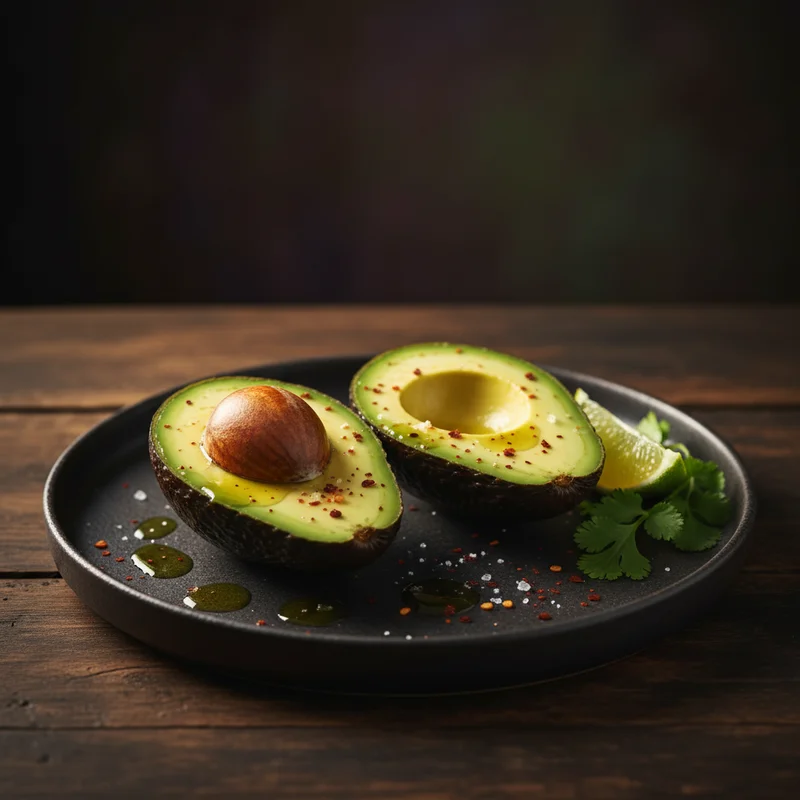
Avocado

Avocado

The fruit millennials allegedly traded their home ownership for. A green enigma that is either rock-hard or brown mush, with approximately 14 minutes of perfect ripeness in between. Also guacamole is extra.

VS
Lion

Lion

Apex predator and king of the savanna, known for majestic manes and surprisingly lazy daytime habits.

Battle Analysis

Adaptability avocado Wins
70%
30%
Avocado Lion

Avocado

The avocado has demonstrated extraordinary adaptive capacity in its relationship with human civilisation. Originally dependent upon megafauna for seed dispersal, it survived the extinction of its natural partners by recruiting humanity as a replacement. It has adapted to cultivation across climate zones from subtropical to Mediterranean, with new cold-resistant varieties extending its range annually. The avocado has adapted to every culinary context imaginable: savoury and sweet, raw and cooked, traditional and innovative. Its genetic flexibility has produced over five hundred cultivated varieties, each optimised for specific conditions and preferences.

Lion

The lion's adaptability operates within narrower parameters but with remarkable efficiency. Having once ranged across Africa, Europe, and Asia, lions have adapted to habitats from dense forest to open savannah. They demonstrate behavioural flexibility, adjusting hunting strategies based on available prey and terrain. Social structures vary from solitary males to prides of forty individuals, depending upon resource availability. However, the lion's adaptation to human encroachment has proved challenging; its range has contracted by ninety-four per cent over the past century. The lion adapts masterfully within wild contexts but struggles with urbanisation.

VERDICT

Surviving megafaunal extinction by recruiting humanity as a distribution partner represents adaptive genius of the highest order.
Daily utility avocado Wins
70%
30%
Avocado Lion

Avocado

In terms of practical daily application, the avocado demonstrates remarkable versatility. It serves as the foundation for guacamole, a condiment with annual global sales exceeding three billion dollars. Its oil finds application in cosmetics, cooking, and pharmaceutical preparations. The fruit provides a substantial source of dietary fibre, vitamin K, and folate. For millions of individuals, the avocado represents a cornerstone of daily nutrition, consumed at breakfast, lunch, and dinner with equal enthusiasm. Its utility is tangible, measurable, and experienced directly by hundreds of millions of people each day.

Lion

The lion's daily utility to the average human is, by necessity, largely indirect. It serves as a keystone species, maintaining the ecological balance of grassland ecosystems upon which countless other species depend. Tourism revenue generated by lion viewing contributes approximately two billion dollars annually to African economies. In symbolic terms, the lion provides daily utility as a logo for financial institutions, football clubs, and film studios. However, direct practical interaction with lions remains inadvisable and, in most jurisdictions, illegal. Its utility, whilst significant, operates at a systemic rather than individual level.

VERDICT

One may spread an avocado upon toast each morning; similar treatment of a lion would prove inadvisable.
Global recognition lion Wins
30%
70%
Avocado Lion

Avocado

The avocado has achieved a level of global brand recognition that rivals the most successful multinational corporations. From Tokyo to Toronto, Melbourne to Munich, the distinctive pear-shaped silhouette is instantly recognisable. Social media platforms have recorded over thirteen million posts featuring the avocado hashtag. It has transcended its status as mere produce to become a cultural signifier, appearing on merchandise, in digital communications, and as a defining symbol of contemporary dining culture. The avocado requires no translation; its appeal crosses linguistic boundaries with remarkable ease.

Lion

The lion's global recognition predates recorded history. It has served as a symbol of power for civilisations spanning from ancient Egypt to modern Britain, where it adorns the royal coat of arms. The constellation Leo has guided navigators for millennia. In linguistic terms, the word for lion exists in virtually every human language, testament to its universal cultural significance. From the stone guardians of Chinese palaces to the bronze sentinels of Trafalgar Square, the lion's image has been immortalised across every artistic medium known to humanity. It is, quite simply, the most symbolically potent animal on Earth.

VERDICT

Thirteen million hashtags cannot compete with three millennia of heraldic tradition and celestial navigation.
Intimidation factor lion Wins
30%
70%
Avocado Lion

Avocado

The avocado presents a curious case study in passive intimidation. Its mere presence upon a restaurant menu can induce genuine anxiety in certain demographics, particularly those concerned with the financial implications of their brunch selections. Estate agents have documented instances where the humble avocado has been cited as the primary obstacle to home ownership for an entire generation. The psychological weight of this small fruit should not be underestimated; it carries with it the burden of lifestyle expectations and social signalling that few foodstuffs have achieved.

Lion

The lion's intimidation credentials require little elaboration. With a bite force of 650 pounds per square inch and retractable claws measuring up to four centimetres, this apex predator has evolved specifically to inspire terror. A single male can weigh over 190 kilograms of pure muscular intent. The lion's golden eyes, adapted for nocturnal hunting, have locked with those of countless prey animals in their final moments. Its intimidation factor is not symbolic or economic but rather existentially immediate. One does not debate the lion's authority; one simply acknowledges it.

VERDICT

Whilst economic anxiety has its merits, few would choose to face four centimetres of retractable claw over an overpriced breakfast item.
Environmental impact lion Wins
30%
70%
Avocado Lion

Avocado

The environmental ledger of avocado production reveals a complex accounting. A single avocado requires approximately 320 litres of water to cultivate, placing significant strain upon aquifers in regions such as Chile and Mexico. Deforestation to create avocado plantations has affected biodiversity in several producing nations. The carbon footprint of transporting this perishable fruit across hemispheres adds further environmental cost. Yet the avocado also provides employment for millions and has incentivised sustainable farming practices in forward-thinking operations. Its environmental impact is substantial, measurable, and increasingly subject to scrutiny.

Lion

The lion's environmental impact is predominantly positive and essential. As an apex predator, it regulates herbivore populations, preventing overgrazing that would otherwise degrade grassland ecosystems. This cascading effect influences vegetation patterns, river courses, and the survival of countless species. The lion's presence indicates ecosystem health; its absence signals ecological imbalance. Conservation efforts to protect lions have preserved millions of hectares of wild habitat. The lion does not consume resources so much as it orchestrates their sustainable distribution across entire biomes.

VERDICT

Three hundred and twenty litres of water per fruit cannot compete with the ecological orchestration of an apex predator.
👑

The Winner Is

Lion

45 - 55

This examination has revealed a contest between two fundamentally different forms of dominance. The avocado has mastered the art of symbiotic conquest, insinuating itself into human civilisation so thoroughly that its cultivation now spans continents. It offers daily utility, nutritional value, and cultural cachet that few foods have achieved. Yet its reign is predicated entirely upon human preference, a foundation that fashion may one day erode.

The lion operates according to more ancient principles. Its authority derives not from popularity but from three million years of evolutionary refinement. It does not require human appreciation to validate its supremacy; it simply is. The lion's dominance over its domain remains absolute, its ecological significance irreplaceable, its symbolic power undiminished by the passage of millennia.

In the final accounting, we must acknowledge that whilst the avocado has achieved remarkable success within the narrow confines of human preference, the lion's dominance transcends such limitations. It commands respect not through marketing or nutritional science but through the fundamental mathematics of predation. The savannah does not negotiate with its apex predator, and neither, ultimately, can the breakfast table compete with the throne of the animal kingdom.

Avocado
45%
Lion
55%

Share this battle

More Comparisons