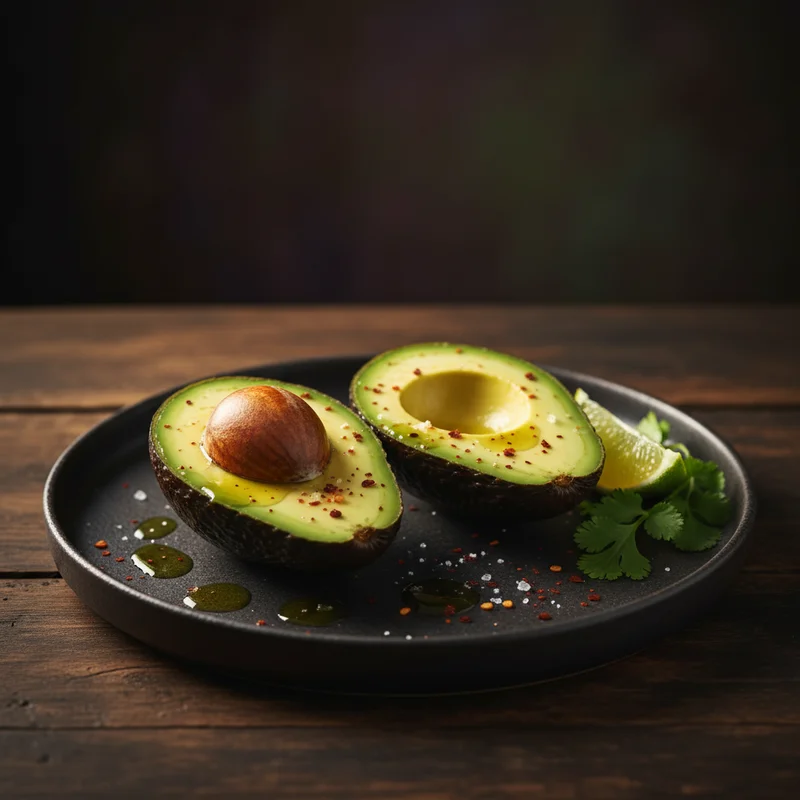

Avocado
The avocado operates on what scientists have termed geological time, spending approximately eighteen months developing on the tree before falling into the human food chain. Once harvested, it enters what enthusiasts call the "ripeness lottery"—a period of five to seven days during which the fruit transitions from concrete-like hardness to perfect creaminess to brown sludge, with the optimal eating window lasting roughly fourteen hours.
The fruit has developed no mechanism whatsoever for communicating its ripeness status to the humans who purchased it. One must simply squeeze it daily, like some sort of produce-based stress ball, hoping to catch it at precisely the right moment. This system has worked for approximately ten thousand years, and the avocado sees no reason to change now.
Procrastination
Procrastination, by contrast, operates with instant deployment capability. The human brain can engage procrastination in under three milliseconds—faster than conscious thought itself can form. Studies indicate that the average person begins procrastinating on a task 0.7 seconds after receiving it, a response time that would make fighter pilots weep with envy.
The speed of procrastination scales beautifully with task importance. Minor tasks may wait days before procrastination fully engages. Major life decisions, however, can trigger immediate and sustained avoidance behavior lasting decades. This efficiency has made procrastination the most reliable cognitive process humans possess, consistently outperforming motivation by factors of ten to one.