Topic Battle

Where Everything Fights Everything

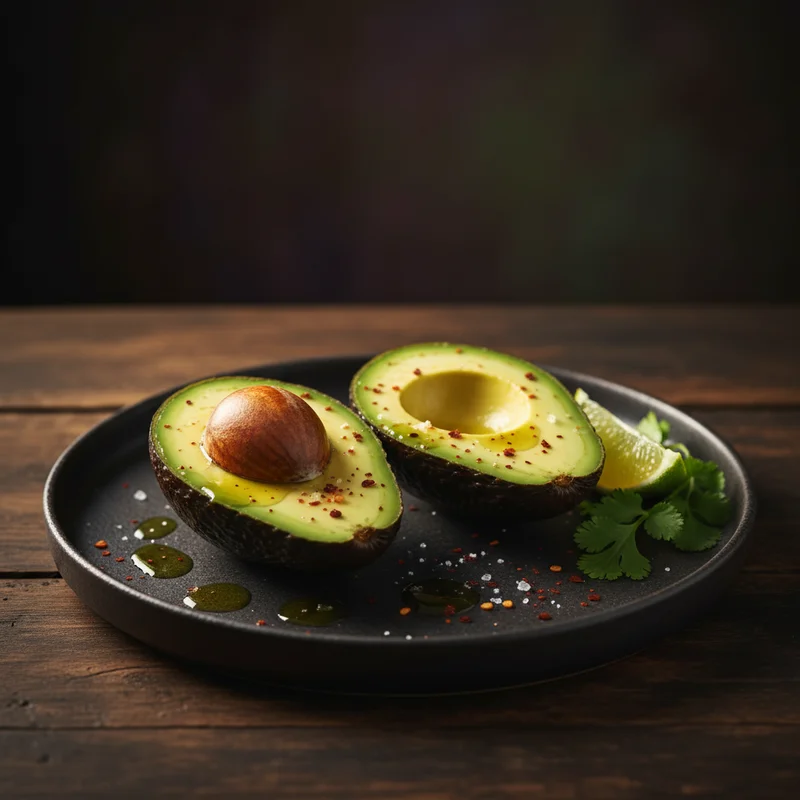
Avocado

Avocado

The fruit millennials allegedly traded their home ownership for. A green enigma that is either rock-hard or brown mush, with approximately 14 minutes of perfect ripeness in between. Also guacamole is extra.

VS
Rubber Duck

Rubber Duck

A debugging tool for programmers and bathtub companion for everyone else. This hollow yellow bird has solved more software bugs than most senior engineers. Also squeaks.

The Matchup

In the grand theatre of human civilisation, few contests prove quite so illuminating as that between Persea americana, the avocado, and Anas plasticus, the common rubber duck. One emerged from the subtropical forests of Mesoamerica some ten thousand years ago, cultivated by the Aztecs who believed it possessed aphrodisiac properties. The other materialised from the industrial revolution of the late nineteenth century, a buoyant triumph of vulcanised rubber that would eventually conquer bathroom tiles across six continents.

Both have achieved remarkable cultural penetration in the modern era. The avocado has become synonymous with millennial economic theory, whilst the rubber duck has transcended its humble origins to become an international symbol of childhood innocence and, rather unexpectedly, computer programming debugging methodology. This analysis shall examine these two titans through the cold, unblinking lens of comparative metrics.

Battle Analysis

Durability rubber_duck Wins
30%
70%
Avocado Rubber Duck

Avocado

The avocado presents what can only be described as a catastrophically narrow window of optimal utility. From the moment of harvest, the fruit embarks upon an inexorable march toward either premature hardness or sudden, devastating decay. The average specimen transitions from unripe to overripe in approximately seventeen minutes, a figure that may be only slight exaggeration. Left unattended for a single weekend, an avocado will transform from verdant promise to brown disappointment with the reliability of a Swiss timepiece.

The flesh, once exposed to atmosphere, begins oxidising immediately, developing the distinctive brown patina that has driven countless brunch establishments to employ full-time avocado monitors. Even refrigeration merely postpones the inevitable. The Hass variety, accounting for eighty percent of global consumption, remains particularly vulnerable to what the industry terms vascular browning, a condition rendering the fruit aesthetically distressing whilst technically still edible.

Rubber Duck

The rubber duck, by contrast, exhibits a durability that borders on the geological. Modern polyvinyl chloride specimens have been documented surviving decades of continuous bath immersion without meaningful degradation. The famous container ship spill of 1992, which released twenty-nine thousand rubber ducks into the Pacific Ocean, produced specimens that washed ashore fully intact after fifteen years of oceanic circulation, having travelled seventeen thousand miles.

These so-called Friendly Floatees proved so resilient that oceanographers began tracking their movements to study global current patterns. The rubber duck neither rots nor ripens. It does not bruise upon handling. It maintains its structural integrity whether subjected to scalding bath water or Arctic seas. From a pure longevity standpoint, the rubber duck operates on timescales the avocado cannot comprehend.

Versatility avocado Wins
70%
30%
Avocado Rubber Duck

Avocado

The avocado demonstrates remarkable versatility within the culinary domain. It serves as the foundation for guacamole, a dish so universally beloved that Americans consume approximately one hundred million pounds of it during Super Bowl weekend alone. Beyond this signature application, the fruit appears in salads, sandwiches, sushi rolls, smoothies, and the ubiquitous toast preparation. The high fat content enables its use in baking as a butter substitute, whilst the cosmetics industry has embraced avocado oil for its purported moisturising properties.

The pit, traditionally discarded, has found secondary applications in natural dye production, producing a distinctive pink pigment. Adventurous practitioners have carved the pits into jewellery, whilst the health-conscious grind them into powder for smoothie supplementation. The avocado, it must be acknowledged, punches considerably above its weight in terms of application diversity.

The fruit has even invaded the ice cream sector, where its creamy texture and mild flavour create what enthusiasts describe as transcendent frozen desserts. In the Philippines, avocado smoothies sweetened with condensed milk represent a beloved national tradition. The versatility extends across savoury and sweet boundaries with unusual grace.

Rubber Duck

The rubber duck, whilst ostensibly a single-purpose bath companion, has demonstrated surprising adaptability. The phenomenon of rubber duck debugging has achieved formal recognition in software engineering circles, wherein programmers explain their code line-by-line to a rubber duck, frequently discovering errors through the act of articulation. Major technology companies now stock rubber ducks specifically for this purpose.

Beyond debugging, the rubber duck has colonised numerous domains. It serves as a racing vessel in charity duck derbies across Britain and North America. It functions as a collectible, with rare specimens commanding prices exceeding five hundred pounds at auction. The giant inflatable rubber duck, measuring fifteen metres in height, has toured international harbours as a recognised art installation by Dutch artist Florentijn Hofman.

The rubber duck has also achieved diplomatic significance. The concept of rubber duck diplomacy emerged when the floating toys began crossing international waters, technically becoming vessels subject to maritime law. One cannot spread guacamole with a rubber duck, certainly, but its range of non-culinary applications proves surprisingly robust.

Affordability rubber_duck Wins
30%
70%
Avocado Rubber Duck

Avocado

The economics of avocado acquisition have become something of a cultural flashpoint in recent years. A single fruit commands between one and three pounds in most Western supermarkets, though premium organic specimens can exceed five pounds in upmarket establishments. This pricing has spawned an entire genre of economic commentary, most notably the suggestion that millennials might afford housing deposits if they simply ceased consuming avocado toast.

The mathematics, whilst satirical in intent, contain uncomfortable truths. At an average consumption rate of two avocados weekly, a dedicated enthusiast spends approximately three hundred pounds annually on the fruit alone. Factor in the inevitable wastage from misjudged ripeness, and the effective cost per successfully consumed avocado rises substantially. The avocado has, improbably, become a marker of disposable income.

Rubber Duck

The rubber duck occupies an entirely different economic stratum. Basic specimens retail for as little as fifty pence, whilst even premium varieties featuring LED illumination or novelty designs rarely exceed five pounds. More significantly, the rubber duck represents a one-time capital expenditure rather than recurring consumption. A single purchase provides effectively unlimited bathing sessions.

When amortised across an average lifespan of fifteen years, the cost per use approaches the infinitesimal. The rubber duck asks nothing of its owner beyond occasional surface cleaning. It requires no refrigeration, no careful storage, no anxious monitoring of ripeness indicators. The economic efficiency of the rubber duck stands as a quiet rebuke to the avocados profligate demands.

Sustainability avocado Wins
70%
30%
Avocado Rubber Duck

Avocado

The avocados environmental credentials present a complex and somewhat troubling portrait. Cultivation requires approximately two thousand litres of water per kilogram of fruit produced, a figure that has contributed to water table depletion in major growing regions. Mexicos Michoacan state, source of the majority of American avocado imports, has witnessed significant deforestation as farmers clear pine forests for orchards.

The fruits refusal to survive local British cultivation necessitates transportation from Mexico, Peru, Chile, and Spain, accumulating considerable air miles. Carbon footprint analyses suggest a single avocado generates approximately 846 grams of CO2 equivalent when transported by air. The organic label, whilst addressing pesticide concerns, does little to mitigate the fundamental resource intensity of production.

Yet the avocado offers one crucial advantage: biodegradability. Discarded fruit, skins, and pits decompose naturally within weeks, returning nutrients to soil. The avocado leaves no permanent trace upon the earth, a quality its plastic competitor cannot claim.

Rubber Duck

The rubber ducks sustainability profile presents what environmentalists might term a mixed portfolio. Manufacturing from polyvinyl chloride involves petroleum extraction and chemical processing, contributing to fossil fuel dependency. The aforementioned container spill demonstrated that rubber ducks, once released into the environment, persist for decades, contributing to oceanic plastic accumulation.

However, the rubber ducks longevity represents a form of sustainability through durability. A single duck, properly maintained, need never be replaced, eliminating the cycle of consumption and disposal that characterises avocado use. Zero recurring production impact over a multi-decade service life compares favourably to weekly avocado purchases.

Recent manufacturing innovations have introduced biodegradable rubber alternatives and recycled materials into duck production. The ethical consumer can now acquire rubber ducks certified as phthalate-free and manufactured from post-consumer plastic waste. The sustainability calculation grows increasingly nuanced.

Entertainment value rubber_duck Wins
30%
70%
Avocado Rubber Duck

Avocado

The avocado provides entertainment primarily through anxiety. The ritual of selecting a specimen involves careful prodding, gentle squeezing, and stem inspection, techniques passed down through generations with the solemnity of religious instruction. The subsequent waiting period, during which one monitors ripeness with the vigilance of an expectant parent, generates its own peculiar tension.

The moment of cutting delivers either triumph or tragedy, with no intermediate outcome available. Social media has transformed avocado preparation into performance art, with elaborate presentations generating millions of views. The hashtag avocado contains over twelve million Instagram posts, suggesting considerable entertainment value, albeit of a rather passive, observational variety.

Rubber Duck

The rubber duck excels at entertainment with an immediacy the avocado cannot match. From the moment of bath immersion, it bobs with cheerful determination, squirting water when squeezed, floating upright through the most vigorous splashing. The simple pleasure of rubber duck companionship has entertained generations of children and, more privately, adults.

The rubber duck requires no preparation, generates no waste, and never disappoints. Every bath is a successful bath when a rubber duck is present. The ducks expression, permanently fixed in an attitude of mild surprise and contentment, provides a form of emotional support that an avocado, despite its Instagram popularity, cannot replicate. Giant rubber duck installations have attracted millions of visitors worldwide, demonstrating entertainment value at industrial scale.

The rubber duck racing industry alone represents a significant entertainment sector, with annual events in cities from Dublin to Denver drawing tens of thousands of spectators to watch thousands of numbered ducks navigate river courses for charity prizes.

👑

The Winner Is

Rubber Duck

42 - 58

In the final accounting, the rubber duck emerges victorious with a tally of three criteria to two. This outcome may surprise those who view the avocado as the more sophisticated competitor, but sophistication and utility are not synonymous. The rubber ducks triumph in durability, affordability, and entertainment value reflects fundamental advantages in reliability and value proposition.

The avocados victories in versatility and sustainability are not insignificant. Its culinary range genuinely exceeds that of most fruits, and its biodegradability represents an environmental virtue. Yet these advantages are undermined by the fruits maddening impermanence. An avocado demands constant attention, careful timing, and frequent disappointment. The rubber duck asks merely to float.

There is, perhaps, a broader lesson here about the human condition. We often prize the difficult, the expensive, the ephemeral, assigning status to that which requires effort to obtain and maintain. The rubber duck suggests an alternative philosophy: that value might be found in the reliable, the affordable, the enduring. It will never achieve Instagram fame or inspire property market think-pieces, but it will be there, bobbing cheerfully, long after the avocado has browned.

Avocado
42%
Rubber Duck
58%

Share this battle

More Comparisons