Topic Battle

Where Everything Fights Everything

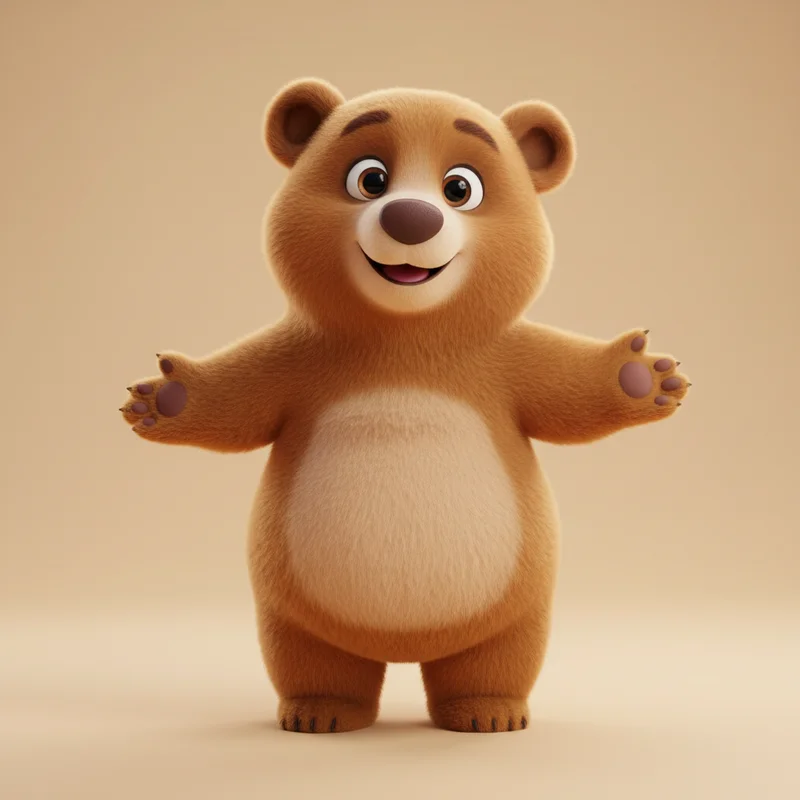
Bear

Bear

Powerful omnivore ranging from polar ice to forest streams, equally skilled at fishing and frightening campers.

VS
Coffee

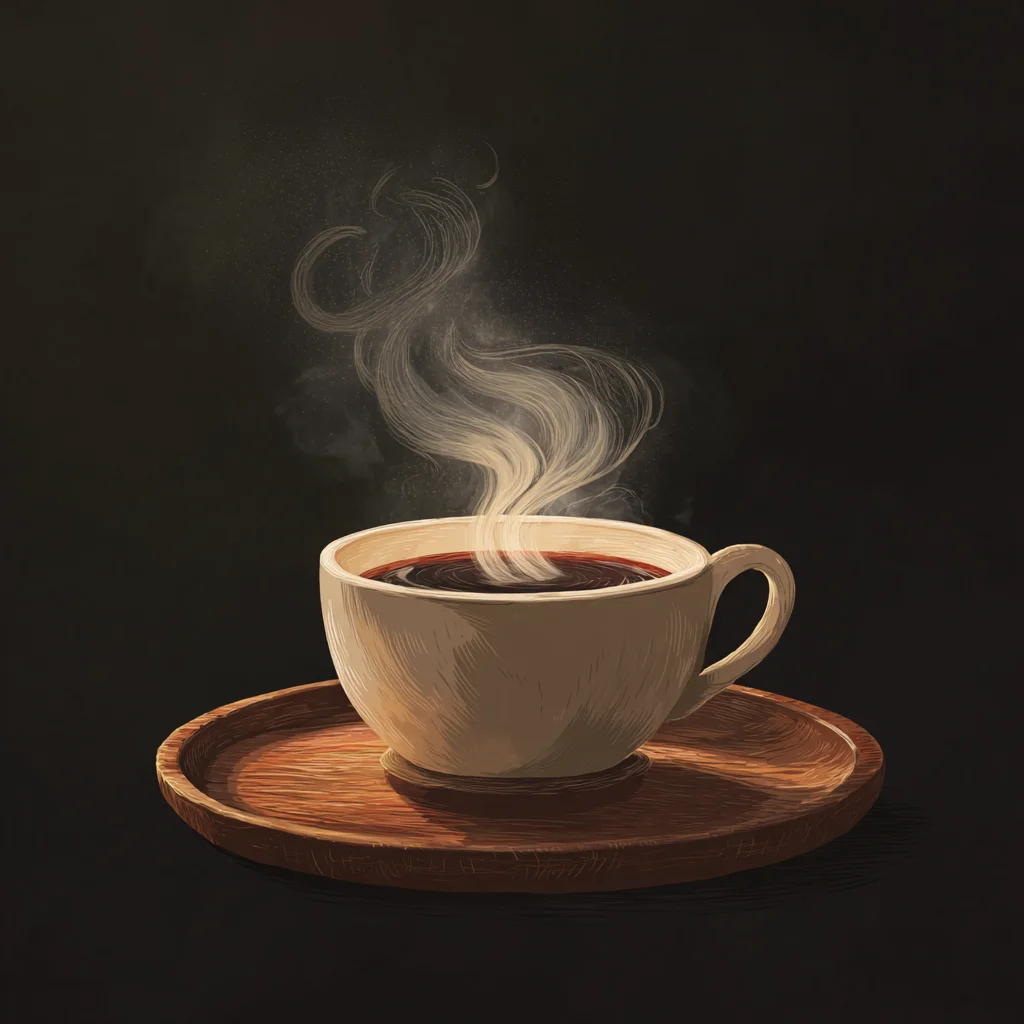
Coffee

A brewed drink prepared from roasted coffee beans, the seeds of berries from certain Coffea species. The world's second-most traded commodity.

The Matchup

The bear and coffee represent diametrically opposed approaches to energy management. The bear has evolved the remarkable ability to sleep for months; coffee exists specifically to prevent sleep from occurring at all. This fundamental philosophical opposition makes their comparison both inevitable and illuminating.

Bears, members of the family Ursidae, comprise eight species distributed across North America, South America, Europe, and Asia. The brown bear achieves weights exceeding 1,500 pounds, while the polar bear claims the title of largest terrestrial carnivore. Collectively, bears have perfected hibernation, reducing metabolic rates by 75% during winter dormancy.

Coffee, humanity's most widely consumed psychoactive substance, represents the opposite strategy: maximizing waking hours through chemical intervention. Global consumption of 2.25 billion cups daily suggests humanity has firmly rejected the bear's approach in favor of perpetual alertness. These competing philosophies now undergo rigorous comparative analysis.

Battle Analysis

Speed Coffee Wins
30%
70%
Bear Coffee

Bear

Bears achieve surprising velocities for animals of their mass. The grizzly bear reaches 35 mph in short bursts, faster than Usain Bolt's peak human velocity of 27.8 mph. The black bear can sprint at 30 mph, with acceleration sufficient to overtake most fleeing humans within seconds.

However, sustained speed is limited by thermal regulation challenges and cardiovascular constraints. Bears excel at explosive acceleration for ambush and pursuit over distances under 100 meters, after which fatigue rapidly diminishes performance. The polar bear demonstrates aquatic speed of 6 mph, enabling pursuit of marine prey across substantial distances.

Coffee

Coffee's speed operates through neurochemical pathways rather than physical locomotion. Caffeine achieves peak plasma concentration within 30-60 minutes of consumption, with cognitive effects beginning within 15 minutes as the compound crosses the blood-brain barrier.

The practical speed enhancement delivered to consumers includes 12% improvement in physical performance and measurable gains in reaction time, attention switching, and cognitive processing. Coffee has indirectly enabled human speed achievements from aviation to Formula 1, with most elite athletes incorporating caffeine into performance protocols. The substance's ability to accelerate human output creates multiplicative velocity effects across populations.

VERDICT

While bears achieve impressive physical velocities, coffee's speed operates at civilizational scale. The compound accelerates billions of humans simultaneously, reducing sleep requirements and increasing productive output across the global economy.

A bear can sprint at 35 mph; coffee-enhanced humans have designed vehicles exceeding Mach 3. The bear's speed serves individual survival; coffee's acceleration enhances collective human capability. Through transferred and amplified velocity, coffee demonstrates superior speed value.

Durability Bear Wins
70%
30%
Bear Coffee

Bear

Bears demonstrate exceptional individual durability, with lifespans reaching 25-30 years in the wild and 40+ years in captivity. Physical resilience includes skeletal structure withstanding impacts from prey animals and falls from significant heights during tree-climbing activities.

The fat reserves accumulated before hibernation enable 5-7 months of survival without food or water intake, a metabolic durability unmatched by most mammals. Evolutionary durability spans 38 million years of continuous existence, with the family adapting successfully to climatic shifts that eliminated countless other species. Bears have survived multiple ice ages and mass extinction events.

Coffee

Coffee's durability manifests across multiple dimensions. The Coffea plant produces harvestable fruit for 30-40 years, while the institution of coffee consumption has persisted for 600+ years since Ethiopian origins. Stored properly, green coffee maintains quality for 2 years, and instant coffee remains viable for decades.

Cultural durability is evidenced by coffee's survival through prohibition attempts, economic crises, and shifting dietary trends. The commodity has increased in importance continuously since introduction, with no indication of decline. Modern consumption exceeds historical levels by orders of magnitude, suggesting robust long-term durability.

VERDICT

The bear's 38 million years of evolutionary persistence represents durability that no agricultural product can match. Coffee has existed as a human commodity for centuries; bears have survived ice ages, continental drift, and multiple mass extinction events.

Individual bear durability also exceeds coffee product lifespan, with animals surviving decades compared to weeks or months for prepared beverages. The bear's ability to survive 5-7 months without sustenance represents metabolic durability unmatched in the mammalian world. Bears secure this category through evolutionary and physiological resilience.

Versatility Coffee Wins
30%
70%
Bear Coffee

Bear

Bears demonstrate remarkable ecological versatility, occupying habitats from Arctic ice to tropical forests, from sea level to elevations exceeding 18,000 feet. Dietary flexibility ranges from strict carnivory in polar bears to the 95% plant-based diet of giant pandas.

Behavioral versatility includes swimming, climbing, fishing, and limited tool use. Cultural utility spans food source, fur provision, entertainment, and religious symbolism. However, direct integration into human daily life remains limited due to safety constraints and space requirements. Bears cannot accompany humans to offices, cafes, or social gatherings without significant incident risk.

Coffee

Coffee's versatility in human civilization approaches unlimited scope. The substance serves as morning stimulant, social facilitator, culinary ingredient, industrial feedstock, and cultural ritual across every inhabited continent. Preparation methods number in the dozens, each producing distinct sensory experiences.

Coffee accompanies virtually every human activity: work, study, romance, mourning, celebration, and contemplation. Secondary applications include cosmetics, fertilizer, biofuel, and art medium. The beverage adapts seamlessly to cultural contexts from Ethiopian ceremonies to Italian espresso bars to American drive-throughs. No human activity is inappropriate for coffee accompaniment.

VERDICT

Coffee achieves total versatility within human civilization, integrating into every context without restriction. Bears, while ecologically versatile, cannot safely participate in human daily activities. One can bring coffee to any meeting; bringing a bear creates immediate complications.

The versatility differential is categorical: coffee enhances human function across unlimited applications while bears remain confined to wilderness observation and controlled captive encounters. Coffee's universal applicability secures decisive victory in this criterion.

Social impact Coffee Wins
30%
70%
Bear Coffee

Bear

Bears have influenced human culture for millennia, featuring prominently in mythology, heraldry, and children's literature. The teddy bear, originating from Theodore Roosevelt's 1902 hunting trip, represents one of the most successful toy concepts in history, generating billions in sales over 120 years.

Wildlife tourism featuring bears generates substantial economic activity, with bear viewing in Alaska alone contributing $35 million annually. Cultural impact includes national symbols (Russia, Finland), sports mascots, and corporate branding. However, direct social facilitation remains minimal due to safety constraints preventing casual human-bear interaction.

Coffee

Coffee's social impact fundamentally shaped modern civilization. European coffeehouses of the 17th-18th centuries catalyzed the Enlightenment, serving as venues for philosophical discourse, scientific exchange, and political organization. Lloyd's of London, the London Stock Exchange, and numerous revolutionary movements emerged from coffee house conversations.

Modern social impact includes $460 billion in annual economic activity, employment for 125 million people, and the establishment of the coffeehouse as third place between home and work. Coffee facilitates billions of social interactions daily, from business meetings to first dates to study groups. No beverage has more profoundly influenced human social organization.

VERDICT

Coffee's social impact operates at civilizational scale, having literally shaped the intellectual and commercial institutions of modern society. The Enlightenment, insurance industry, and stock exchange trace origins to coffee house culture. Bears have inspired teddy toys; coffee inspired revolutions and scientific academies.

Daily social facilitation further distinguishes coffee, enabling billions of interactions through its role as universal social lubricant. Bears cannot facilitate a business meeting or first date. Coffee's transformative social impact secures decisive victory.

Sustainability Bear Wins
70%
30%
Bear Coffee

Bear

Bear populations face varied sustainability pressures. The polar bear is classified as vulnerable, with populations expected to decline 30% by 2050 due to Arctic ice loss. Brown bear populations have stabilized in North America but face pressure in Europe and Asia.

Bears operate on fully renewable biological systems, requiring only natural habitat and prey availability. The species' carbon footprint remains neutral within ecosystem parameters. However, conflict with human expansion threatens long-term sustainability, as bears require extensive territorial ranges incompatible with agricultural and urban development.

Coffee

Coffee sustainability presents complex challenges. Production requires 140 liters of water per cup when accounting for agricultural inputs. Climate change threatens to reduce suitable growing area by 50% by 2050, potentially catastrophic for an industry employing 125 million people.

Industry response includes expansion of certified sustainable production, now covering 25% of global supply. Shade-grown methods support biodiversity, while the plant functions as a carbon sink during growth. The economic importance of coffee drives substantial investment in sustainability solutions, ensuring continued availability. Recycling programs for pods and grounds reduce waste impact.

VERDICT

Bears operate on genuinely sustainable biological systems refined across 38 million years of evolution. Their existence requires only functional ecosystems, not global supply chains, water infrastructure, or agricultural inputs.

Coffee sustainability depends on addressing significant environmental challenges through technological and agricultural innovation. The commodity's water requirements and climate vulnerability represent structural sustainability risks. Bears win through inherent biological sustainability that coffee's industrial production model cannot match.

👑

The Winner Is

Coffee

45 - 55

This evaluation concludes with a 55-45 victory for coffee in the battle of energy philosophies. Coffee demonstrates superiority in Speed, Versatility, and Social Impact, while the bear claims Durability and Sustainability through evolutionary refinement.

The bear's approach to energy management through hibernation represents millions of years of biological optimization. Yet humanity has chosen coffee's alternative path: eliminating rest rather than perfecting it. Global consumption of 2.25 billion cups daily constitutes a species-wide rejection of the bear's philosophy.

In this clash between nature's supreme hibernator and humanity's wakeful fuel, coffee prevails through integration into the fabric of human civilization that no wild animal, however magnificent, can achieve.

Bear
45%
Coffee
55%

Share this battle

More Comparisons