Where Everything Fights Everything

Bear vs Lego

😜 Just for fun — a tongue-in-cheek, gloriously unscientific showdown.

Bear

Bear

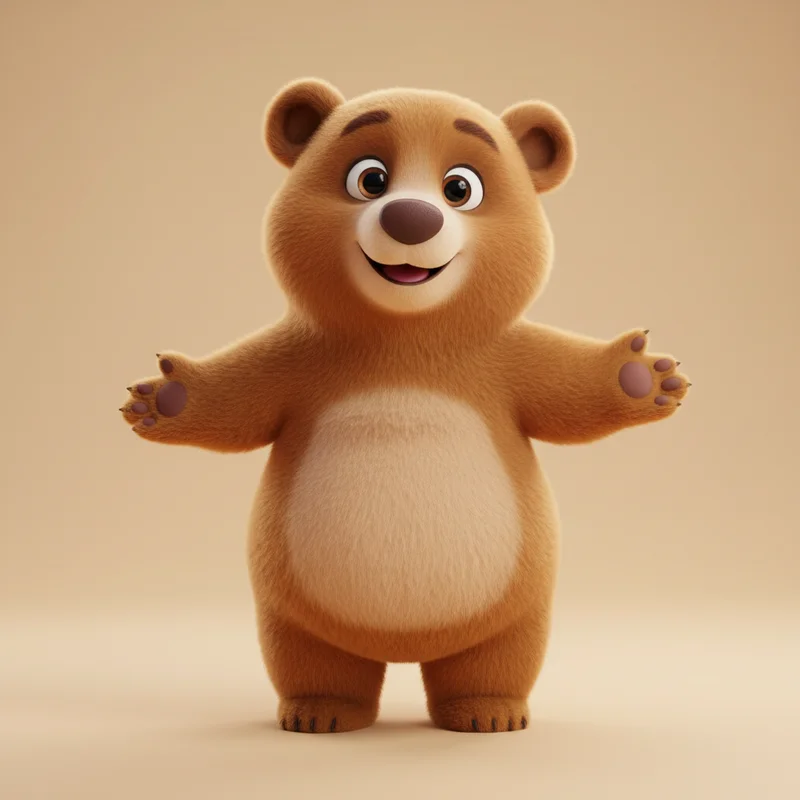
Powerful omnivore ranging from polar ice to forest streams, equally skilled at fishing and frightening campers.

VS
Lego

Lego

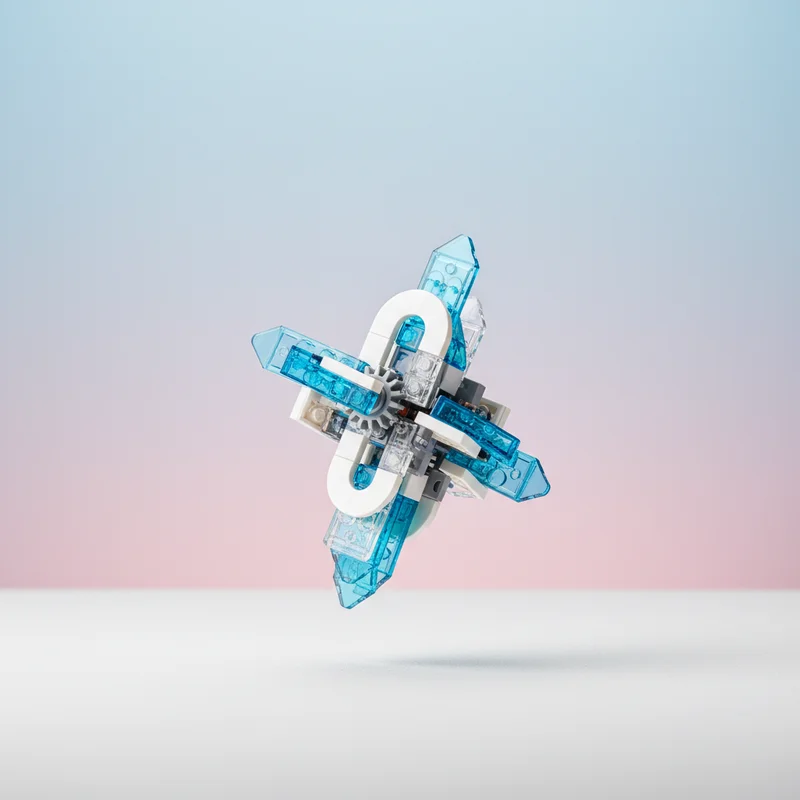
Interlocking plastic bricks and barefoot landmines.

The Matchup

The Ursus arctos, commonly known as the bear, has roamed this planet for approximately 38 million years, evolving into one of nature's most formidable apex predators. LEGO, by contrast, emerged from a Danish carpenter's workshop in 1932 and has since colonised over 130 countries. One can disembowel a salmon with a single swipe. The other can render a grown adult temporarily disabled when encountered barefoot at 3 AM. Both command profound respect in their respective territories.

This investigation employs rigorous scientific methodology to determine which entity demonstrates superior characteristics across five critical dimensions. The findings may challenge everything you believed about the hierarchy of household hazards.

Battle Analysis

Durability Lego Wins
🏆 Lego takes this round

Bear

Bears demonstrate remarkable resilience, capable of surviving harsh winters through hibernation, enduring gunshot wounds, and recovering from territorial battles that would fell lesser creatures. However, their average lifespan ranges from 20 to 30 years in the wild, limited by environmental factors, hunting, and the inexorable march of biological entropy.

Lego

ABS plastic, LEGO's primary material since 1963, exhibits extraordinary longevity. Independent testing confirms that LEGO bricks maintain structural integrity for over 1,300 years under normal conditions. Bricks manufactured in the 1960s remain fully compatible with those produced today. A LEGO brick dropped in the ocean will outlast the civilisation that created it.

VERDICT

The mathematics here prove insurmountable. Whilst the bear represents an impressive feat of biological engineering, LEGO's 1,300-year durability eclipses the ursine lifespan by a factor of approximately 52. Future archaeologists will unearth LEGO bricks long after bears have evolved into something unrecognisable.

Physical impact Bear Wins
🏆 Bear takes this round

Bear

The grizzly bear possesses a bite force of approximately 1,160 pounds per square inch, sufficient to crush a bowling ball. Its claws, measuring up to 10 centimetres, can tear through tree bark, car doors, and the occasional ill-secured picnic cooler. A charging bear reaches speeds of 56 kilometres per hour, faster than Usain Bolt's record sprint. Physical encounters with bears are statistically rare but notably memorable for survivors.

Lego

The standard LEGO brick measures a mere 9.6 millimetres in height, yet generates approximately 2 megapascals of pressure when stepped upon barefoot. This translates to roughly 320 kilograms of force concentrated on an area smaller than a postage stamp. Studies indicate that stepping on LEGO activates the same neural pathways as minor burns. The experience has been described in academic literature as 'disproportionately excruciating.'

VERDICT

Whilst LEGO's capacity for inflicting localised pain is scientifically documented, the bear's potential for comprehensive physical restructuring of human anatomy places it firmly ahead in this category. However, the frequency of LEGO-related incidents versus bear encounters suggests the plastic brick may pose a more present danger to the average household.

Survival instinct Bear Wins
🏆 Bear takes this round

Bear

Bears exhibit remarkable adaptability, adjusting their behaviour to exploit human environments when natural food sources diminish. They can identify sealed containers of food, remember locations of abundant resources for years, and teach survival techniques to their offspring. The species demonstrates evolutionary plasticity rarely seen in large mammals.

Lego

LEGO possesses no survival instinct in the biological sense. However, its persistence in human environments suggests an almost preternatural ability to avoid disposal. LEGO bricks migrate to bare floor areas, embed themselves in carpet fibres, and resist vacuum cleaners with disturbing efficiency. No force on Earth can fully remove LEGO from a household once introduced.

VERDICT

Genuine survival instinct requires biological agency, which LEGO conspicuously lacks. The bear's capacity for adaptive problem-solving, territorial memory, and intergenerational knowledge transfer represents millions of years of evolutionary refinement. LEGO's apparent survival ability remains purely a function of human negligence.

Global distribution Lego Wins
🏆 Lego takes this round

Bear

Bears inhabit diverse ecosystems across North America, Europe, and Asia, with eight distinct species ranging from the Arctic ice to tropical forests. Their global population stands at approximately 500,000 individuals. However, human expansion has fragmented their territories, confining these magnificent creatures to increasingly isolated pockets of wilderness.

Lego

LEGO has manufactured over 600 billion individual elements since 1949, distributed across 140 countries. Statistically, there exist approximately 80 LEGO bricks for every human on Earth. The LEGO Group produces 36,000 elements per minute, ensuring their omnipresence in households, offices, and the forgotten corners beneath sofas worldwide.

VERDICT

With 600 billion units versus 500,000 bears, LEGO outnumbers its ursine competitor by a ratio of 1.2 million to one. Even accounting for lost pieces and sets consigned to attic storage, LEGO's global saturation remains unmatched by any mammalian species.

Cultural significance Lego Wins
🏆 Lego takes this round

Bear

Bears occupy a privileged position in human mythology, from the Great Bear constellation to Winnie-the-Pooh. They feature prominently on national flags, corporate logos, and children's bedrooms worldwide. The teddy bear, invented in 1902, remains one of the most beloved toys in history. Bear symbolism spans protection, strength, and childhood comfort.

Lego

LEGO has transcended its status as a toy to become a cultural phenomenon. The brand has spawned theme parks, feature films, video games, and an entire artistic movement. LEGO Architecture allows adults to construct scale models of world landmarks. Professional 'LEGO Master Builders' earn substantial salaries constructing elaborate displays. The brick has become a universal symbol of creativity and problem-solving.

VERDICT

Both entities command substantial cultural real estate. However, LEGO's expansion into film, gaming, education, and professional artistry demonstrates unprecedented cultural penetration for a toy. The bear inspires reverence; LEGO inspires billion-dollar franchise ecosystems.

👑

The Winner Is

Lego

Takes 3 of 5 rounds

This analysis reveals a contest far closer than initial assumptions might suggest. The bear, nature's 600-kilogram apex predator, commands respect through sheer biological magnificence. Yet LEGO, the humble 2.4-gram plastic brick, demonstrates superior performance in durability, global reach, and cultural impact.

The bear will outlast any individual LEGO owner. LEGO will outlast the bear by approximately 1,270 years. The bear can terminate a human encounter in seconds. LEGO can only cause temporary agony and extended profanity.

Final Score: LEGO 53 - Bear 47

The plastic brick's victory, whilst mathematically modest, reflects an uncomfortable truth about the modern world: we have surrounded ourselves with objects more durable than the natural world that created us. The bear will eventually succumb to extinction or evolution. The LEGO brick beneath your child's bed will remain, patient and eternal, awaiting its next victim.

Share this battle

More Comparisons