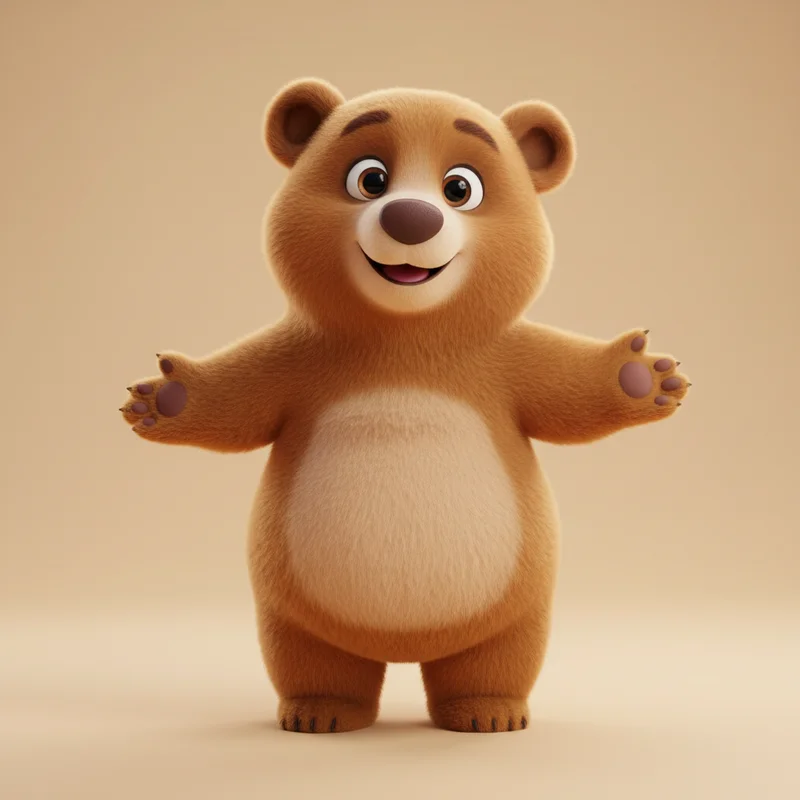

Bear
The grizzly bear can deliver a bite force of 1,160 pounds per square inch, sufficient to crush a bowling ball. A single swipe from an adult male can decapitate prey or send a 90-kilogram human tumbling through the air like discarded laundry. The polar bear can detect seals beneath a metre of ice and snow, whilst the sloth bear has evolved specifically to vacuum termites from their mounds with industrial efficiency.
In direct physical confrontation, few land mammals can contest the bear's supremacy. Its combination of mass, speed (capable of reaching 56 kilometres per hour), and weaponry represents millions of years of evolutionary refinement.
Money
Money possesses no physical force whatsoever. It cannot bite, scratch, or maul. A banknote, when thrown at maximum velocity, poses less threat than a particularly assertive moth. Yet money commands armies, constructs skyscrapers, and redirects rivers. The 2008 financial crisis erased $2 trillion from retirement accounts in a single week, an act of destruction no bear could achieve in a thousand lifetimes.
Money's power operates through proxy, converting human labour and ingenuity into any desired outcome. It is force multiplied infinitely through collective belief.
VERDICT
In the realm of immediate, tangible power, the bear remains uncontested. Money requires intermediaries; the bear requires only proximity. Bear claims this criterion through sheer biological engineering.