Where Everything Fights Everything

Bear vs Shrek

😜 Just for fun — a tongue-in-cheek, gloriously unscientific showdown.

Bear

Bear

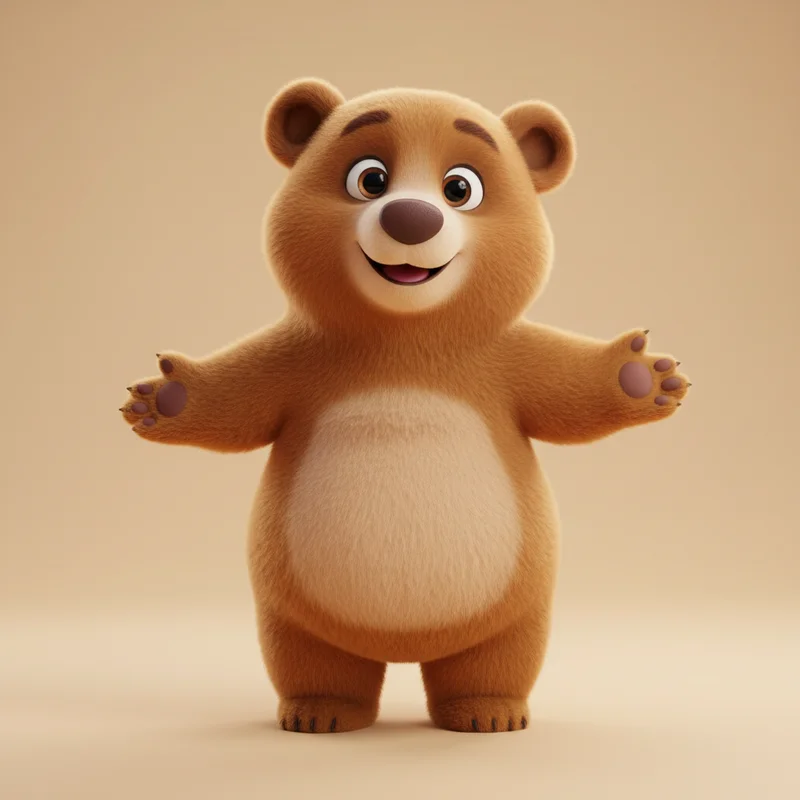
Powerful omnivore ranging from polar ice to forest streams, equally skilled at fishing and frightening campers.

VS
Shrek

Shrek

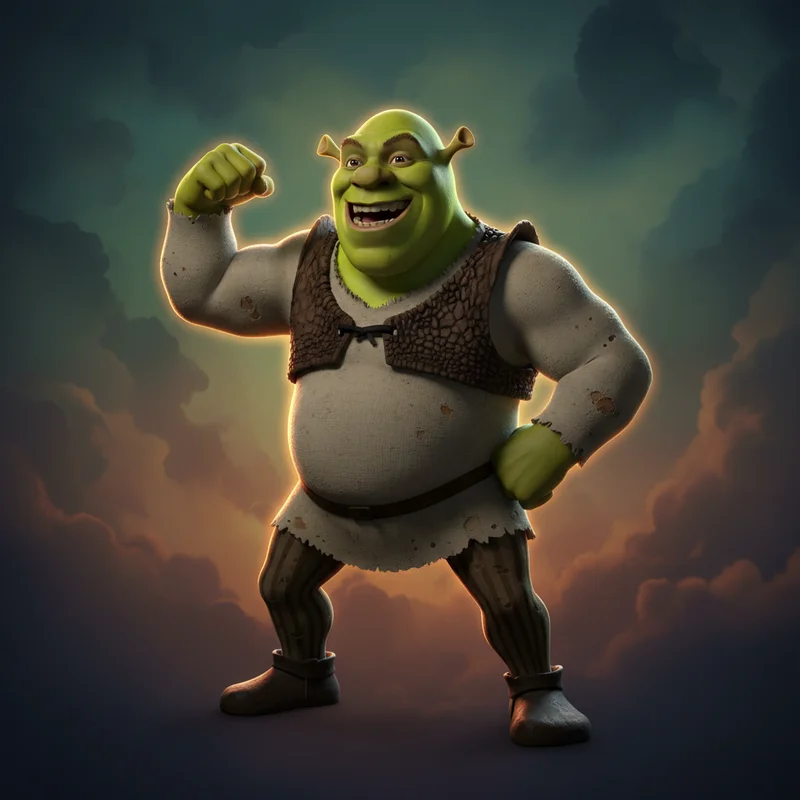
Ogre who proved layers matter.

The Matchup

In the vast catalogue of unlikely confrontations, few present such a fascinating study in parallel evolution as the bear and Shrek. One has roamed Earth's forests for approximately 38 million years, establishing itself as an apex predator across multiple continents. The other emerged from a swamp in 2001 and proceeded to dominate global box offices with equal ferocity. Both specimens share a remarkable preference for solitude, a fearsome reputation that belies occasional gentleness, and an unwavering commitment to defending their territory from unwanted visitors.

Battle Analysis

Adaptability Bear Wins
🏆 Bear takes this round

Bear

Bears occupy an extraordinary range of ecosystems, from Arctic ice sheets to temperate rainforests, from Asian bamboo groves to North American garbage bins. The species demonstrates remarkable dietary flexibility, consuming everything from salmon to berries to poorly secured camping provisions. This adaptability has enabled bears to survive multiple ice ages, continental shifts, and the development of bear-proof containers (which they continue to defeat with troubling regularity).

Shrek

Shrek's adaptability centres primarily on emotional growth rather than environmental tolerance. Over four films, he adapted from misanthropic recluse to devoted family man, demonstrating psychological flexibility rarely seen in fictional monsters. However, his physical requirements remain notably specific - requiring swamp conditions, mud baths, and a steady supply of earwax candles. His attempts to function in Far Far Away's urban environment met with limited success.

VERDICT

Shrek's character arc demonstrates admirable personal development, but the bear's ability to thrive across six continents and countless ecosystems represents adaptability on a genuinely impressive scale. Evolution defeats animation in this category.

Cultural impact Shrek Wins
🏆 Shrek takes this round

Bear

Bears have permeated human culture for millennia, appearing in constellations (Ursa Major), national symbols, stock market terminology, and an overwhelming abundance of plush toys. The teddy bear alone represents a multi-billion pound industry. From Winnie-the-Pooh to Paddington, fictional bear representations have shaped childhood development across generations. Real bears, meanwhile, continue to feature prominently in nature documentaries, warning signs, and cautionary tales about food storage.

Shrek

Shrek generated $484 million at the global box office and spawned a franchise worth over $3.5 billion. The character became a genuine cultural phenomenon, influencing animation styles, spawning countless internet memes, and introducing the phrase 'layers, like an onion' into popular discourse. 'All Star' by Smash Mouth became permanently associated with green computer-generated imagery. Few fictional characters have achieved such memetic immortality.

VERDICT

While bears enjoy broader historical significance, Shrek's concentrated cultural explosion between 2001 and 2010 demonstrated unprecedented penetration into collective consciousness. The ogre's meme longevity alone - surviving well into the 2020s - represents a remarkable achievement in sustained cultural relevance.

Intimidation factor Bear Wins
🏆 Bear takes this round

Bear

Encountering a bear in the wild triggers an immediate fight-or-flight response in humans - though experts strongly advise against the former. The bear's intimidation operates on a primal level, bypassing rational thought and accessing ancient survival instincts. A standing grizzly presents one of nature's most effective deterrents, requiring no dialogue, backstory, or threatening monologue. The bear simply exists, and lesser creatures respond accordingly.

Shrek

Shrek's intimidation relies heavily on reputation and theatrical presentation. His memorable entrance - emerging from an outhouse to confront torch-wielding villagers - establishes his threat through careful staging and excellent comedic timing. However, extended exposure consistently reveals a fundamentally gentle nature, undermining initial fearsome impressions. By the second film, he has become positively cuddly to audiences worldwide.

VERDICT

Shrek's intimidation factor suffers from franchise dilution - each subsequent film revealed more vulnerability, transforming a monster into a loveable family man. Bears maintain consistent intimidation across all encounters, requiring no character development to remain terrifying.

Physical capabilities Bear Wins
🏆 Bear takes this round

Bear

The polar bear can weigh up to 700 kilograms and deliver a blow capable of decapitating a seal. The grizzly possesses a bite force of approximately 1,160 PSI and can sprint at 56 kilometres per hour. These are not theoretical capabilities but documented facts that have ended numerous ill-advised wilderness encounters. The bear's claws, measuring up to 10 centimetres, function as nature's most efficient multi-tools - equally adept at fishing, excavating, and self-defence.

Shrek

Shrek's physical specifications remain frustratingly non-standardised, varying between films based on narrative requirements. Conservative estimates place him at approximately 2.1 metres tall with considerable mass concentrated around the midsection. His documented feats include defeating multiple armoured knights simultaneously, outrunning a dragon, and executing a professional wrestling manoeuvre on an animated gingerbread man. His ogre strength appears substantial, though lacking peer-reviewed documentation.

VERDICT

Shrek's combat victories occur primarily against comedically incompetent opponents within a narrative structure designed to ensure his success. The bear's physical capabilities exist in a universe governed by actual physics, where consequences are permanent and sequels are not guaranteed. Reality edges out fiction.

Territorial dominance Bear Wins
🏆 Bear takes this round

Bear

The bear commands territory ranging from 10 to 1,000 square kilometres, depending on species and food availability. This domain is marked through a sophisticated system of tree scratching, scent deposits, and the occasional mauling of interlopers. The grizzly bear, in particular, has perfected the art of making other creatures feel distinctly unwelcome through what scientists term agonistic behaviour - essentially, looking tremendously annoyed until visitors leave.

Shrek

Shrek's swamp covers a notably more modest acreage, yet his territorial defence mechanisms prove remarkably effective. His primary deterrent - a combination of intimidating roars, weaponised flatulence, and carefully cultivated reputation for violence - successfully repelled an entire fairy tale refugee population. However, his territory was briefly commandeered by Lord Farquaad's forces, suggesting certain vulnerabilities in his defence infrastructure.

VERDICT

While Shrek demonstrates admirable commitment to solitude, the bear's 38 million years of evolutionary refinement in territorial behaviour cannot be dismissed. The bear wins this criterion through sheer acreage and the undeniable effectiveness of being able to actually eat trespassers.

👑

The Winner Is

Bear

Takes 4 of 5 rounds

In this unprecedented clash between biological marvel and animated masterpiece, the bear emerges with a narrow but decisive 53-47 victory. The margin reflects genuine respect for Shrek's cultural achievements - the ogre's box office dominance and meme immortality represent legitimate accomplishments in their own right. However, the bear's advantages in physical capability, territorial control, and sustained intimidation prove difficult to overcome. One exists as a product of millions of years of evolutionary refinement; the other exists as a product of DreamWorks' render farm. Both command respect, but only one can actually eat you.

Share this battle

More Comparisons