Where Everything Fights Everything

Bear vs Wolverine

😜 Just for fun — a tongue-in-cheek, gloriously unscientific showdown.

Bear

Bear

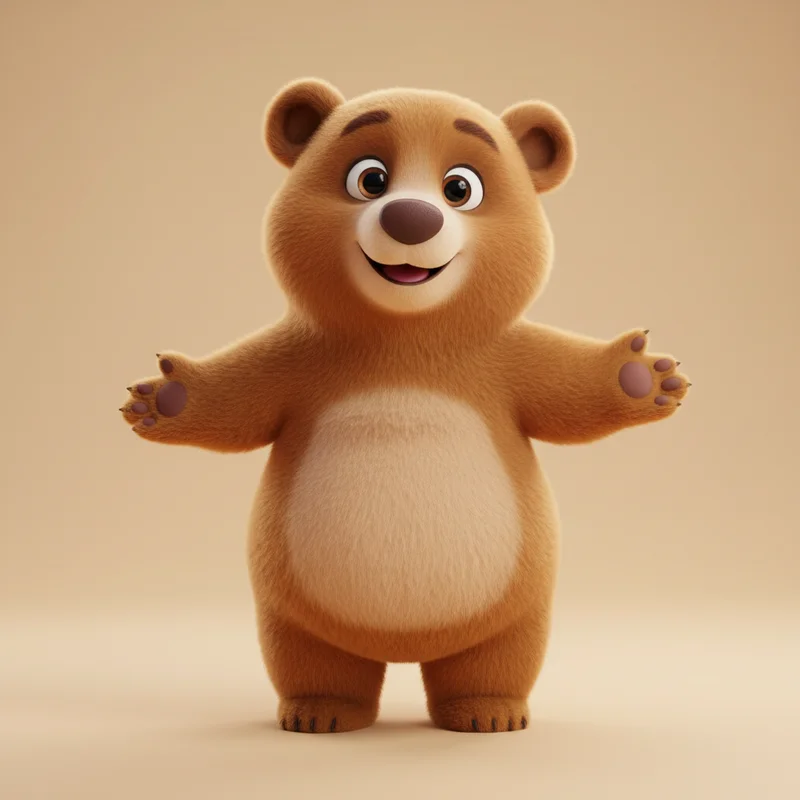
Powerful omnivore ranging from polar ice to forest streams, equally skilled at fishing and frightening campers.

VS
Wolverine

Wolverine

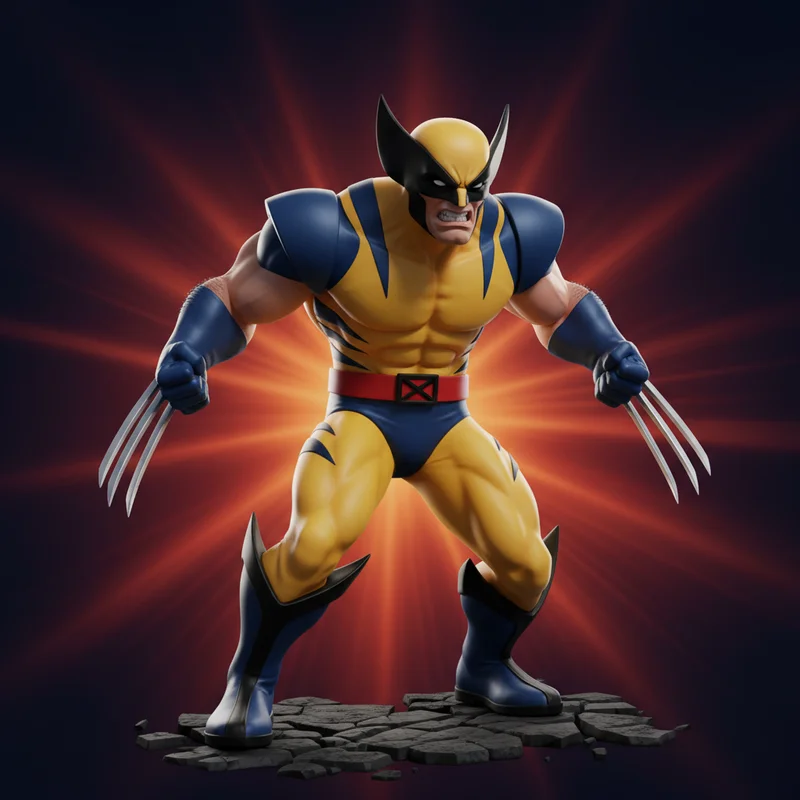
Clawed mutant with regeneration and anger issues.

The Matchup

In the grand theatre of hypothetical conflict, few matchups generate such visceral anticipation as the collision between Ursus arctos horribilis and the man known as Logan. The bear represents the apex of mammalian evolution—eight hundred kilograms of muscle, fat, and focused aggression refined over millions of years. The Wolverine represents something altogether different: a Canadian mutant whose skeleton has been bonded with adamantium, the fictional metal that makes titanium look like wet cardboard.

What follows is a rigorous examination of two entities that share a common philosophy: when in doubt, apply overwhelming force. The bear has been doing this successfully since the Pleistocene. Wolverine has been doing it since 1974, when he first appeared in The Incredible Hulk #180. Both approaches have merit.

Battle Analysis

Raw physical power Bear Wins
🏆 Bear takes this round

Bear

The grizzly bear can deliver a swipe with an estimated force of 25,000 newtons—sufficient to decapitate a human or crush an automobile bonnet. Their bite force reaches 1,200 PSI, capable of puncturing a cast iron skillet. A charging bear achieves speeds of 56 kilometres per hour whilst weighing as much as a small motorcycle with its rider. This is the biological equivalent of being struck by a very angry refrigerator travelling at motorway speeds.

Wolverine

Logan's strength exists in the enhanced human range, allowing him to press approximately two tonnes under optimal conditions. Whilst this pales against the bear's raw mass advantage, the adamantium skeleton provides structural integrity that transforms every punch into something closer to being struck by a girder. His claws, extending from between his knuckles, can slice through virtually any known material. The bear has mass; Wolverine has the ability to make that mass irrelevant by cutting through it.

VERDICT

Pure physical power favours the ursine competitor. Eight hundred kilograms of bear simply outmasses one hundred kilograms of Canadian mutant. However, this category measures strength alone—not what one does with it. The bear wins the weightlifting competition; subsequent criteria will examine whether that matters.

Combat effectiveness Wolverine Wins
🏆 Wolverine takes this round

Bear

Bears are instinctive fighters with no formal training required. Their combat style—overwhelming aggression combined with superior mass—has proven effective against wolves, mountain lions, and occasionally each other. A bear fight typically ends when one combatant decides continued participation isn't worth the caloric expenditure. Against humans, bears have an undefeated record when humans lack firearms.

Wolverine

Logan has approximately 150 years of combat experience. He has fought in every major conflict since the American Civil War. He has trained with samurai, special forces operatives, and other mutants. His fighting style incorporates elements of judo, karate, and 'extremely aggressive stabbing.' The adamantium claws provide reach, lethality, and the ability to parry virtually any attack. He has defeated opponents ranging from street criminals to cosmic entities.

VERDICT

The bear fights on instinct perfected over evolutionary time. Wolverine fights with century-and-a-half of accumulated technique combined with weapons that can cut through tank armour. Natural selection is impressive; dedicated martial training combined with indestructible claws is more impressive. The mutant claims this category decisively.

Psychological warfare Wolverine Wins
🏆 Wolverine takes this round

Bear

The bear's intimidation strategy relies on sheer presence. Standing on hind legs, a grizzly reaches heights of three metres. The roar can be heard for miles. The smell—a combination of rotting salmon and concentrated mammal—triggers primal fear responses in most creatures. Bears don't need to threaten; their existence is the threat. Most conflicts end before contact because sensible opponents simply leave.

Wolverine

Wolverine's psychological impact stems from his berserker rage—a state of combat fury where pain becomes irrelevant and mercy becomes impossible. Opponents have described fighting him as 'attacking a blender.' His reputation precedes him in ways that cause hardened criminals to surrender preemptively. The knowledge that he cannot be permanently killed transforms every fight into a war of attrition that he will win eventually.

VERDICT

Both competitors excel at intimidation, but through different mechanisms. The bear frightens through scale; Wolverine frightens through implication. Being charged by a bear is terrifying. Being hunted by something that will heal from anything you do to it and keep coming is existentially horrifying. The mutant's reputation edges him ahead.

Durability and recovery Wolverine Wins
🏆 Wolverine takes this round

Bear

Bears possess remarkable resilience. Their thick hide and substantial fat reserves provide natural armour against claws and teeth. Documented cases exist of bears surviving multiple gunshot wounds and continuing to fight. Their hibernation metabolism demonstrates extraordinary biological endurance. However—and this is rather important—bears can die. They are subject to the normal rules of mortality that govern organic life.

Wolverine

Wolverine's healing factor operates outside conventional biology. He has regenerated from a single drop of blood in certain comic iterations. He has survived nuclear explosions, being torn in half, drowning, and having the adamantium ripped from his skeleton by Magneto. His cells regenerate faster than they can be destroyed by any conventional means. He has been alive since the 1880s. The concept of 'fatal injury' is, for Logan, more of a temporary inconvenience than an actual concern.

VERDICT

This category isn't close. The bear is extraordinarily durable for an animal. Wolverine is extraordinarily durable for anything in fiction. One can survive remarkable trauma; the other has made surviving remarkable trauma his entire personality. The mutant takes this criterion with contemptuous ease.

Ecological and cultural impact Bear Wins
🏆 Bear takes this round

Bear

Bears function as keystone species across multiple ecosystems. Their salmon consumption distributes marine nutrients into forests. Their foraging creates clearings that increase biodiversity. Culturally, bears appear in mythology from every continent they inhabit—worshipped by indigenous peoples, feared by settlers, and marketed aggressively by picnic basket manufacturers. The bear is real. This matters.

Wolverine

Wolverine has generated billions in revenue across comics, films, merchandise, and Hugh Jackman's career. He has introduced generations to concepts of Canadian identity, adamantium metallurgy, and the healing properties of righteous anger. However, he exists purely in fiction. His impact is cultural and economic rather than ecological. No forest depends on Wolverine for nitrogen distribution.

VERDICT

The bear wins by virtue of existing. Wolverine's cultural impact is undeniable—he is arguably Marvel's most popular character—but he cannot pollinate flowers, distribute seeds, or regulate prey populations. Reality provides advantages that fiction cannot replicate. The bear claims this criterion on ontological grounds.

👑

The Winner Is

Wolverine

Takes 3 of 5 rounds

The final tally stands at 55-45 in favour of Wolverine, a margin that reflects both his supernatural advantages and the bear's undeniable biological supremacy. In a direct confrontation, Wolverine's healing factor and adamantium claws would eventually prevail—he simply cannot be killed by anything the bear can do, whilst his claws can certainly kill bears. The bear might win the first several minutes. Wolverine would win the war.

Yet this victory comes with asterisks. The bear is real. It contributes to actual ecosystems. It exists without requiring suspension of disbelief or subscription services. Wolverine wins the fight; the bear wins at being an actual organism that genuinely matters to the biosphere.

Perhaps the truest assessment is this: if you encounter a bear in the wilderness, running is inadvisable but potentially survivable. If you encounter Wolverine whilst he's in a bad mood, your survival depends entirely on whether you're a named character in the comic.

Share this battle

More Comparisons