
Topic Battle

Where Everything Fights Everything

Butterfly

Butterfly

Winged insect undergoing complete metamorphosis from caterpillar, symbolizing transformation worldwide.

VS
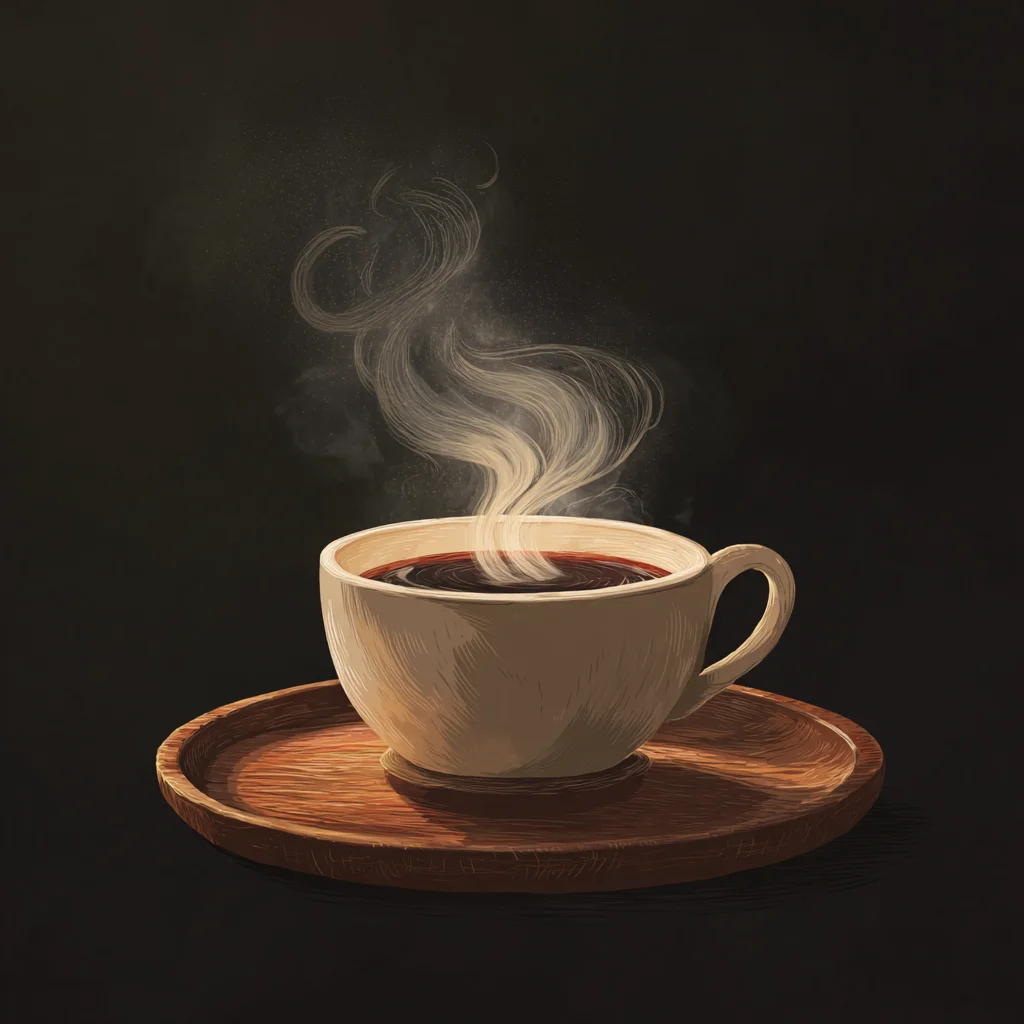
Coffee

Coffee

A brewed drink prepared from roasted coffee beans, the seeds of berries from certain Coffea species. The world's second-most traded commodity.

The Matchup

In the vast catalogue of entities that have captured human fascination across millennia, few subjects present a more philosophically intriguing juxtaposition than the butterfly and coffee. One flutters through meadows on gossamer wings, embodying transformation and ephemeral beauty. The other sits in ceramic vessels worldwide, enabling the transformation of drowsy primates into functioning members of society.

The butterfly, representing over 17,500 species within the order Lepidoptera, has served as humanity's primary symbol of metamorphosis, rebirth, and the fleeting nature of existence since ancient civilizations first observed caterpillars emerging from chrysalises. These creatures pollinate wildflowers, migrate across continents, and have inspired countless poets to compose verses of varying quality about transformation and the beauty of impermanence.

Meanwhile, coffee, derived from the roasted seeds of plants in the genus Coffea, has achieved something the butterfly never could: the creation of a global economic dependency worth over $460 billion annually. This bitter liquid has shaped geopolitics, funded colonial enterprises, and currently enables approximately 2.25 billion cups of human productivity per day. While the butterfly represents what we aspire to become, coffee represents what we require to function until that transformation occurs.

Battle Analysis

Speed Coffee Wins
30%
70%
Butterfly Coffee

Butterfly

The butterfly presents a paradox of velocity that defies simple categorization. In terms of flight speed, most species achieve a modest 5-12 miles per hour during regular navigation, a pace that would embarrass most joggers and approximately half of all mobility scooters. The Skipper family represents the performance outliers, capable of bursts reaching 37 miles per hour, though such exertion proves unsustainable for creatures with a metabolic rate that demands near-constant feeding.

The true speed consideration, however, involves the butterfly's complete lifecycle. The transformation from egg to adult requires 30-180 days depending on species and environmental conditions. The monarch butterfly's famous migration spans 3,000 miles and four generations, meaning no individual completes the journey. This represents either remarkable multi-generational persistence or an organizational efficiency that would concern any project manager.

From a practical standpoint, a butterfly cannot deliver anything to anyone within any commercially relevant timeframe. Should you require a message conveyed across your garden, the butterfly would likely become distracted by Lantana camara halfway through the journey and forget the assignment entirely. The creature's relationship with urgency is, at best, philosophical rather than operational.

Coffee

Coffee operates on a velocity scale that the butterfly cannot comprehend. From bean to bloodstream, modern preparation technology has compressed the timeline to extraordinary efficiency. Espresso extraction completes in 25-30 seconds, instant coffee achieves operational status in under 90 seconds, and even elaborate pour-over ceremonies conclude within six minutes. The Keurig machine, despite its environmental implications, delivers caffeine in under one minute from cold start.

The physiological impact demonstrates equally impressive speed. Caffeine reaches peak plasma concentration within 15-45 minutes of consumption, with measurable cognitive effects beginning before most cups are empty. Studies indicate that alertness improvements commence at approximately the 10-minute mark, making coffee one of the fastest-acting legal performance enhancers available to the general population without prescription or competitive sports consequences.

The supply chain velocity matches the consumption speed. Modern logistics can transport roasted beans from Colombia to Copenhagen within 72 hours when commercial imperatives demand. Coffee futures trade in milliseconds on electronic exchanges. The entire industry operates on timescales that would give a butterfly existential vertigo. While the butterfly contemplates the meaning of its brief existence, coffee has already enabled three productive work hours and a moderately successful meeting.

VERDICT

The velocity differential between these entities proves comprehensive and unambiguous. Coffee operates on a timescale optimized for human productivity requirements, while the butterfly functions according to evolutionary pressures that prioritized survival over schedule adherence.

From preparation to physiological impact, coffee maintains speed advantages measured in orders of magnitude. A butterfly completing its lifecycle in 60 days cannot compete with a substance that alters neurochemistry within 10 minutes. The comparison borders on categorical unfairness, though the butterfly presumably remains untroubled by competitive rankings.

Durability Coffee Wins
30%
70%
Butterfly Coffee

Butterfly

The adult butterfly presents one of nature's most heartbreakingly brief operational windows. Most species survive as adults for merely 2-4 weeks, during which time they must locate food, evade predators, identify suitable mates, reproduce, and somehow find time to be photographed by tourists. The painted lady butterfly may survive up to nine months under ideal conditions, though such conditions rarely materialize outside laboratory settings.

Physical durability is equally compromised. Butterfly wings consist of thin chitinous membranes covered in microscopic scales that detach upon contact with virtually anything. A single raindrop can ground a butterfly for hours. A curious child's touch can render a specimen permanently flightless. The creatures possess no defensive capabilities beyond camouflage, toxic coloration, or simply hoping predators find them insufficiently nutritious to pursue.

The species collectively, however, demonstrate remarkable evolutionary durability. Butterflies have existed for approximately 56 million years, surviving mass extinctions, ice ages, and the emergence of humanity's unfortunate enthusiasm for insecticides. Individual fragility combined with collective persistence creates a durability profile that confounds simple assessment. Each butterfly is disposable; butterflies as a concept have proven essentially indestructible.

Coffee

Coffee demonstrates exceptional storage stability across multiple formats. Whole roasted beans maintain optimal flavor for 2-4 weeks post-roasting, with acceptable quality extending to three months under proper storage conditions. Ground coffee preserves functional caffeine content for 6-12 months in standard pantry environments, ensuring emergency stimulant availability even in neglected households.

Instant coffee achieves near-immortality in shelf life terms. Sealed containers remain viable for 2-20 years depending on formulation and storage conditions. Military-grade instant coffee has been documented functional after 30 years in storage, awaiting deployment by soldiers who presumably had exhausted all preferable options. The caffeine molecule itself displays remarkable chemical stability, degrading by less than 1% per year under normal conditions.

Green, unroasted coffee beans extend durability further still, maintaining quality for 1-2 years when stored properly. Archaeological evidence suggests caffeine compounds persist in ancient vessels for millennia, though consumption of such residue remains inadvisable and probably insufficiently stimulating. The industry has effectively solved storage challenges that the butterfly cannot contemplate, given that storing a butterfly typically requires pins, boxes, and an acceptance that the stored item is no longer functionally a butterfly.

VERDICT

Durability assessment reveals coffee's decisive practical advantage in preservation and longevity. While the butterfly exists in perpetual tension with its own mortality, coffee has negotiated favorable terms with time through industrial processing and chemical stability.

Coffee outlasts the adult butterfly by factors of 50 to 500 depending on format, maintaining stimulant efficacy long after any contemporary butterfly has completed its lifecycle and contributed its atoms to the broader ecosystem. For consumers seeking reliable inventory, coffee represents the only sensible choice between these options.

Global reach Coffee Wins
30%
70%
Butterfly Coffee

Butterfly

Butterflies maintain presence across every continent except Antarctica, demonstrating remarkable geographic distribution for creatures incapable of purchasing airline tickets. Approximately 17,500 species occupy ecological niches from tropical rainforests to alpine meadows, with highest concentrations in equatorial regions where biodiversity reaches peak expression and humidity levels discourage human habitation.

The monarch butterfly's migration represents the most impressive geographic range for any individual species, spanning from Canada to Mexico across 3,000 miles of North American territory. This feat requires multiple generations and celestial navigation capabilities that science has not fully explained, suggesting either remarkable genetic programming or excellent internal GPS systems.

However, butterflies cannot establish presence in human-constructed environments with any reliability. They do not thrive in office buildings, airports, or coffee shops. Climate-controlled interiors prove inhospitable to creatures requiring specific temperature ranges, host plants, and nectar sources. The butterfly's global reach extends only to outdoor locations with appropriate vegetation, a limitation that excludes most of modern human existence.

Coffee

Coffee maintains active consumption in virtually every nation on Earth, including several that officially prohibit stimulants under religious or political authority. Global consumption exceeds 10 billion kilograms annually, with per-capita consumption exceeding 12 kilograms in Finland, where the substance has achieved status as a national survival requirement during winter darkness lasting months.

Production spans three continents across the tropical belt between the Tropics of Cancer and Capricorn, with Brazil, Vietnam, Colombia, Indonesia, and Ethiopia providing diversified supply that ensures continuous availability regardless of regional disruptions. Over 70 countries produce coffee commercially, creating a global network of dependency that the butterfly could never replicate.

Coffee culture permeates every demographic category and physical location where humans congregate. Office break rooms, airports, hospitals, universities, gas stations, and homes across all income levels contain coffee preparation equipment. Children encounter coffee-flavored products before developing sophisticated taste preferences. The market saturation is effectively complete and self-reinforcing, as coffee consumption creates caffeine dependency that ensures continued consumption. Butterflies have achieved no comparable systemic integration with human civilization.

VERDICT

Global reach comparison produces a comprehensive victory for coffee despite butterflies' impressive geographic distribution. The critical distinction lies in integration with human society rather than mere physical presence on landmasses.

Coffee has penetrated every human institution, demographic category, and moment of the day requiring enhanced consciousness. Butterflies, while present on most continents, have failed to establish meaningful presence in indoor environments where modern humans spend 87% of their waking hours. Coffee meets humans where they are; butterflies require humans to seek them out in increasingly rare natural habitats.

Sustainability Butterfly Wins
70%
30%
Butterfly Coffee

Butterfly

The butterfly operates within a closed ecological loop that produces virtually no waste and requires no industrial inputs. Adult butterflies consume nectar, provide pollination services estimated at billions of dollars annually in agricultural value, and ultimately decompose into nutrients that support the plants their successors will pollinate. The lifecycle represents sustainable design that human engineers have spent decades attempting to emulate through 'circular economy' initiatives.

Carbon footprint approaches zero for individual specimens. Butterflies require no transportation, processing, or packaging. They do not generate wastewater, consume fossil fuels, or require refrigeration. The energy invested in butterfly observation is primarily caloric expenditure by human observers walking through gardens, which most physicians would classify as health-positive rather than environmental cost.

Critically, butterflies serve as indicator species for ecosystem health, with population declines signaling broader environmental degradation. Their continued existence provides early warning systems for agricultural chemical overuse, habitat destruction, and climate shifts. The butterfly's sustainability extends beyond neutral impact to actively beneficial ecological contribution, a category that processed beverages cannot reasonably claim to occupy.

Coffee

Coffee cultivation occupies 11 million hectares of tropical land globally, much of it converted from rainforest habitat that previously supported biodiversity including numerous butterfly species. The industry's expansion has contributed to deforestation across Central America, Southeast Asia, and Africa, creating environmental consequences that extend well beyond carbon accounting.

Water requirements prove substantial and geographically problematic. Producing one kilogram of roasted coffee requires approximately 18,900 liters of water across growing, processing, and preparation stages. Processing generates wastewater with significant organic loads that can contaminate local water supplies in producing regions, though improved treatment technologies have mitigated some impacts in certified operations.

The supply chain introduces additional environmental costs. Transportation from tropical growing regions to global consumption markets generates substantial carbon emissions, estimated at 15-20 million tons of CO2 annually for logistics alone. Roasting requires high-temperature equipment consuming electricity or natural gas. Single-use cups, plastic lids, and stirrers accumulate in landfills despite recycling initiatives that capture less than 15% of materials in most markets. The industry has developed certification programs addressing sustainability, though participation remains voluntary and incomplete.

VERDICT

Sustainability comparison produces a decisive victory for the butterfly through fundamental differences in ecological impact. The butterfly exists within natural systems as a net-positive contributor, while coffee exists as an extracted commodity with substantial environmental costs at every supply chain stage.

The butterfly's zero-waste lifecycle, pollination services, and indicator species function contrast starkly with coffee's land conversion, water consumption, and transportation emissions. While coffee industry sustainability initiatives continue improving, they address symptoms rather than the fundamental extraction model that defines commercial agriculture.

Entertainment value Butterfly Wins
70%
30%
Butterfly Coffee

Butterfly

The butterfly has served as humanity's primary symbol of transformation and beauty across virtually every recorded civilization. Ancient Greek mythology identified the soul itself with butterflies through the figure of Psyche. Chinese poetry has celebrated butterfly imagery for millennia. Victorian collectors pursued specimens with an enthusiasm bordering on obsession, developing elaborate systems for mounting, categorizing, and displaying these creatures in glass cases that now populate natural history museums worldwide.

Modern entertainment value extends across multiple formats. Butterfly houses and conservatories attract millions of visitors annually, providing Instagram opportunities and educational experiences for children who will immediately forget all species names upon exiting. The metamorphosis process itself represents unparalleled biological drama, transforming a ground-crawling caterpillar into an airborne spectacle through processes that seem to violate reasonable expectations about what biological systems should be capable of achieving.

The aesthetic appeal proves undeniable. Butterfly wing patterns represent some of nature's most complex visual designs, incorporating structural coloration, warning signals, and camouflage into surfaces smaller than playing cards. The mere presence of butterflies in a garden elevates the space from 'outdoor area' to 'enchanting natural sanctuary' in the minds of visitors who rarely notice other insects with equal appreciation. This asymmetric aesthetic privilege reflects deeply embedded cultural associations that coffee cannot replicate.

Coffee

Coffee provides entertainment primarily through enabling other entertainment. The stimulant properties allow humans to remain conscious during evening performances, late-night conversations, and extended gaming sessions that would otherwise conclude with involuntary unconsciousness. Without coffee, the entertainment industry's evening showtime schedules would require fundamental restructuring around earlier start times.

The culture surrounding coffee has generated substantial entertainment content. Coffee shops serve as settings for countless films and television series, from Friends' Central Perk to the unnamed establishments where movie characters have meaningful conversations. The barista profession has inspired documentaries, competitions, and a career path that combines minimum wage with opportunities to judge customers' beverage choices silently. Latte art has emerged as a legitimate artistic medium, though one with an unusually short exhibition duration.

The sensory experience of coffee consumption provides daily entertainment that the butterfly cannot match in frequency. The ritual of morning preparation, the aroma filling kitchens worldwide, the first sip's bitter warmth, and the subsequent alertness constitute a reliable pleasure repeated 2-4 times daily by devoted consumers. While less visually spectacular than butterfly metamorphosis, this quotidian entertainment accumulates into a lifetime of small satisfactions that most humans find difficult to abandon once established.

VERDICT

Entertainment value assessment yields a narrow victory for the butterfly based on pure aesthetic impact and symbolic significance. While coffee enables entertainment and has generated substantial cultural content, the butterfly is entertainment in its essential nature.

The butterfly's transformation represents one of nature's greatest spectacles, inspiring wonder across cultures and centuries. Coffee's entertainment contributions, while substantial, remain primarily instrumental rather than intrinsic. Humans do not visit coffee conservatories to observe beans in their natural habitat with the same reverence afforded butterfly houses.

👑

The Winner Is

Coffee

35 - 65

This analysis concludes with a definitive 65-35 victory for coffee across the evaluated metrics. While the butterfly demonstrates clear advantages in sustainability and entertainment value, coffee dominates the practical categories that determine daily utility for human civilization.

The butterfly represents what humanity admires but rarely prioritizes: beauty without utility, transformation without commercial application, and existence without caffeine. Coffee represents what humanity requires: reliable stimulation, scalable production, and integration with modern schedules that cannot accommodate waiting for caterpillars to emerge from chrysalises before beginning the workday.

Future generations may celebrate butterflies in poetry while consuming coffee to maintain the consciousness necessary for poetic appreciation. The relationship between these entities proves complementary rather than competitive in the fullest analysis. Yet when forced to declare a victor based on practical contribution to human flourishing, coffee's role in enabling productivity, social connection, and morning functionality proves irreplaceable in ways the butterfly cannot match. One inspires us; the other enables us to act on that inspiration.

Butterfly
35%
Coffee
65%

Share this battle

More Comparisons