
Capybara
When motivated by predators such as jaguars or caimans, the Capybara can achieve sprint speeds of approximately 35 kilometres per hour. This is, admittedly, not competitive with modern automotive technology. However, the Capybara demonstrates considerable wisdom in its reluctance to hurry, preferring a measured pace that conserves energy and maintains its characteristic dignity.
In water, the Capybara's partially webbed feet provide propulsion at approximately 8 kilometres per hour, sufficient to evade most aquatic threats whilst remaining energy-efficient. The creature has clearly determined that rushing is, on balance, unnecessary for a successful life.
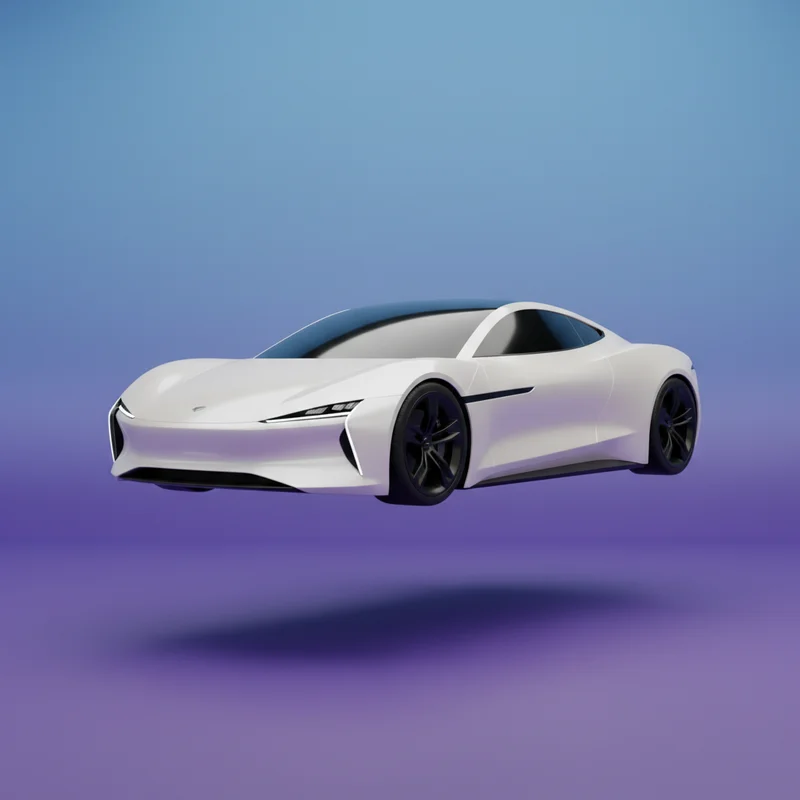
Electric Car
The Electric Car has obliterated assumptions about electric vehicle performance. Premium models achieve 0 to 100 kilometres per hour in under 2 seconds, with top speeds exceeding 320 kilometres per hour in certain configurations. The instant torque delivery of electric motors provides acceleration that leaves combustion vehicles appearing distinctly agricultural.
This tremendous velocity comes at the cost of range, battery degradation, and the ever-present risk of speed-related mortality. The Electric Car can achieve in seconds what the Capybara cannot manage at all, though whether this represents progress remains philosophically contested.