Capybara
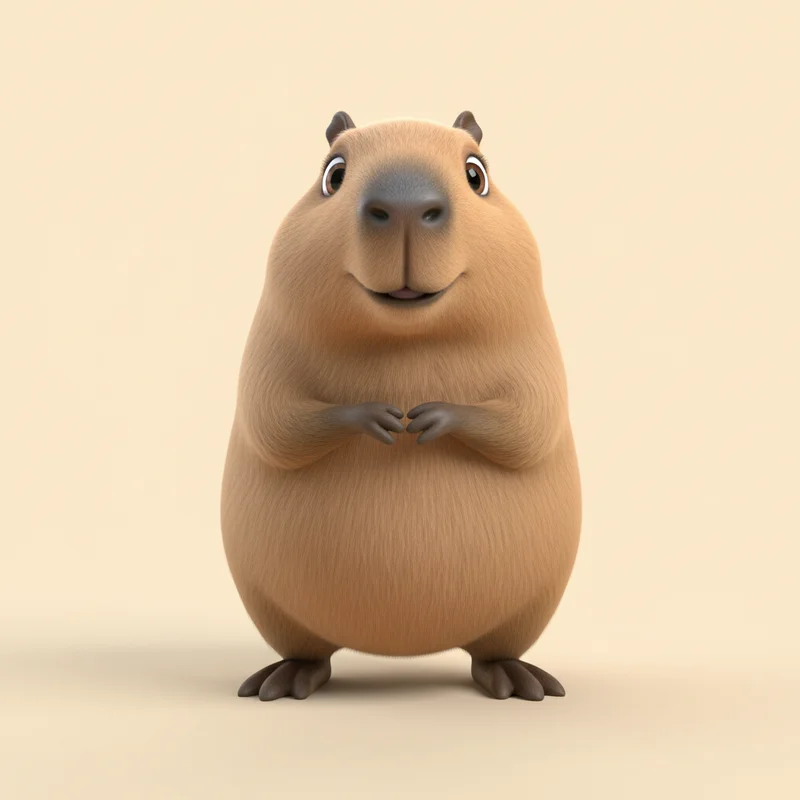
The capybara's cultural moment arrived with the digital age, its rise to global fame coinciding precisely with humanity's collective anxiety peak. The creature appears in memes, merchandise, and meditation applications with a frequency that marketing executives study with professional envy. The phrase 'OK I pull up' has achieved immortality in internet lexicon, whilst capybara imagery has become shorthand for emotional regulation. Japanese pop culture has embraced the capybara with particular enthusiasm, producing plush toys, animated characters, and dedicated hot spring experiences. The capybara's cultural resonance, whilst recent, demonstrates remarkable intensity. Its appeal crosses cultural boundaries with unusual efficiency; humans from Tokyo to Toronto have apparently agreed that this particular rodent represents something worth celebrating.
Grand Canyon
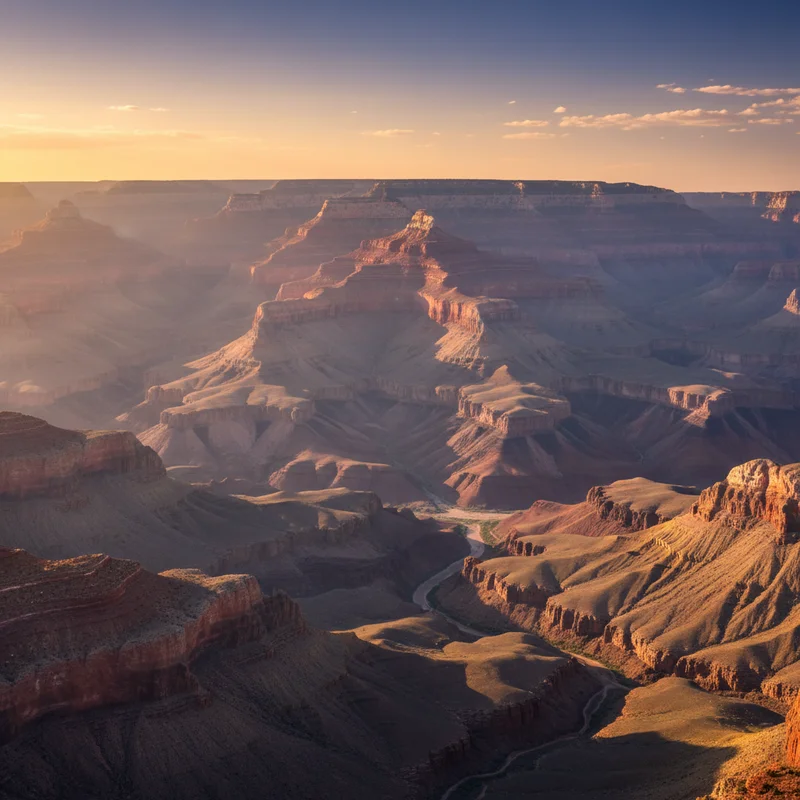
The Grand Canyon has inspired cultural production for millennia. Indigenous peoples, including the Havasupai, Hualapai, Navajo, and Hopi, have inhabited and revered the canyon since time beyond memory, their cosmologies incorporating its depths into creation narratives. European-American culture has produced countless paintings, photographs, poems, and philosophical treatises attempting to capture the canyon's magnitude. President Theodore Roosevelt declared it 'beyond comparison beyond description'; Ansel Adams devoted years to photographing its light. The canyon has featured in films, novels, and musical compositions beyond enumeration. Its designation as a World Heritage Site and one of the Seven Natural Wonders of the World reflects cultural recognition spanning centuries rather than the capybara's handful of viral years.