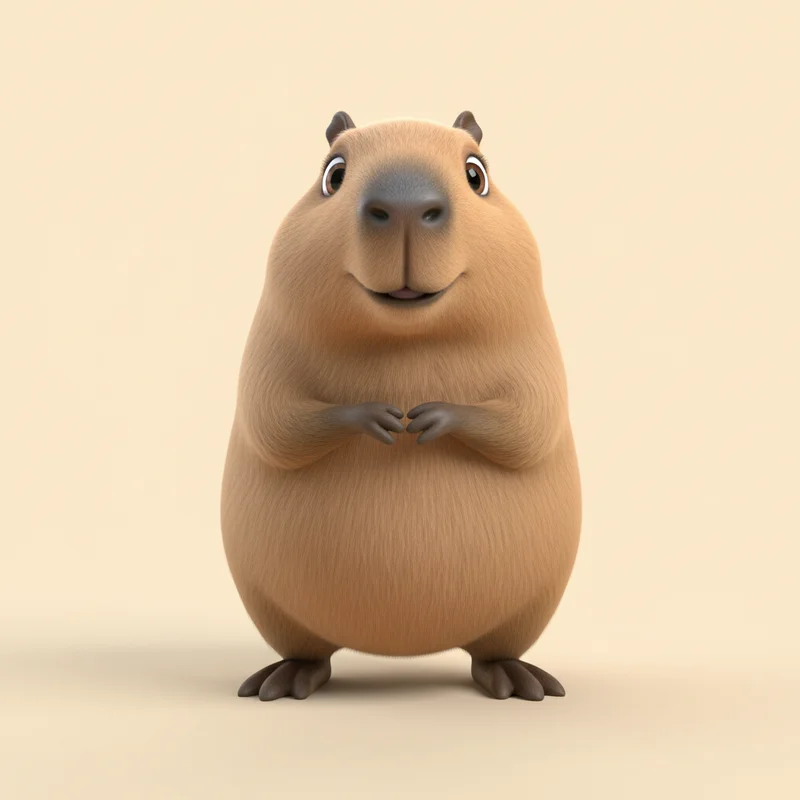
Capybara
The capybara demonstrates a natural lifespan of 8-10 years in wild conditions, extending to 12 years or more under managed care. This operational period exceeds that of most consumer electronics by significant margins. The species has, moreover, maintained continuous operation for approximately ten million years without fundamental redesign.
Physical resilience manifests through several notable adaptations. The capybara's dense, barrel-shaped body provides resistance to predation attempts, while its semi-aquatic nature allows escape into water when terrestrial threats materialise. Webbed feet enable efficient aquatic locomotion, and the ability to remain submerged for up to five minutes provides additional defensive capability. Wounds heal through autonomous biological processes requiring no authorised service intervention.
Dental durability warrants particular mention. The capybara's teeth grow continuously throughout life, a feature that addresses wear without requiring replacement components. This self-renewing dentition represents engineering elegance that consumer electronics have yet to replicate.
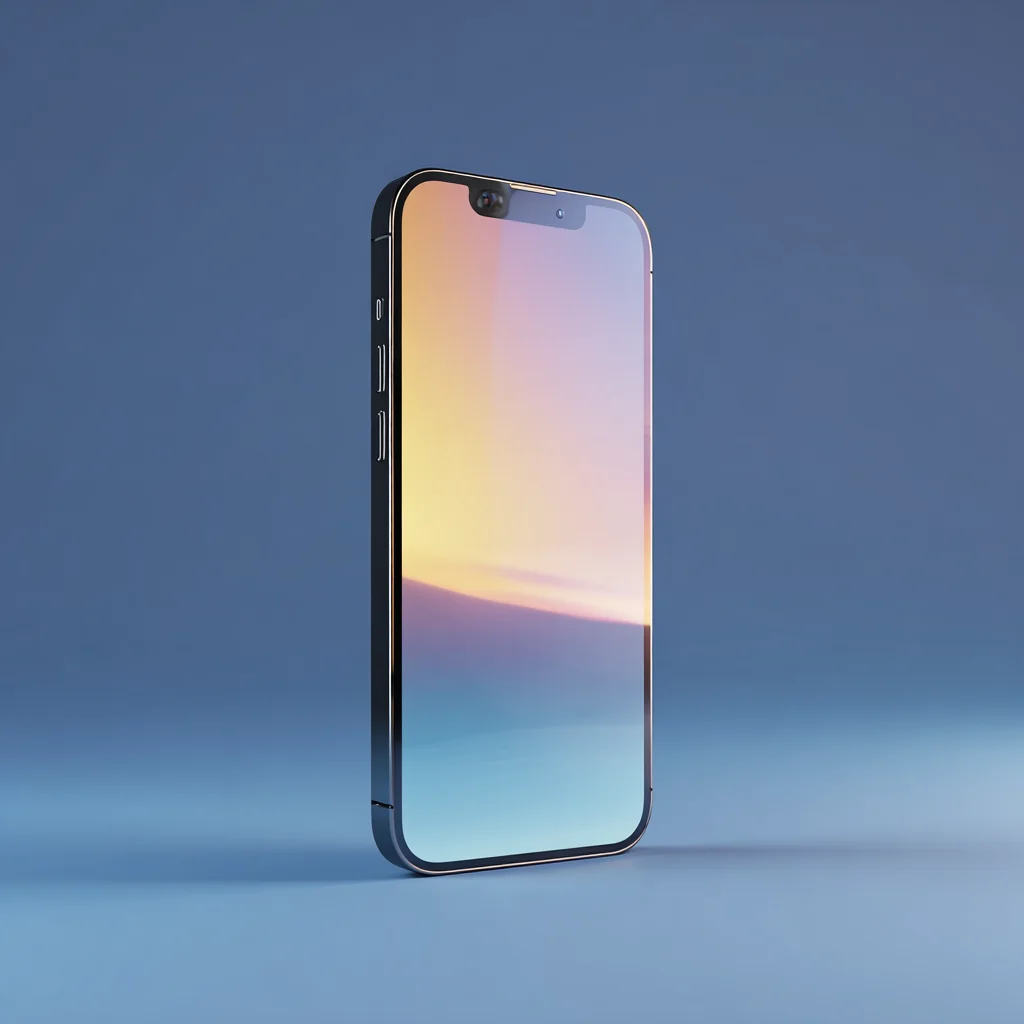
iPhone
The iPhone presents a documented functional lifespan of 4-6 years under typical usage patterns. Apple's software support extends to approximately 5-6 years of operating system updates, after which performance degradation and security vulnerabilities may accumulate. The device has existed in any form for merely seventeen years total.
Physical durability has improved through successive generations. Current models feature Ceramic Shield front covers rated for four times improved drop performance, while IP68 water resistance allows submersion to 6 metres for 30 minutes. Nevertheless, impact damage remains a prevalent failure mode, with screen replacements costing $279-379 depending on model.
Battery degradation follows predictable patterns, with capacity declining to approximately 80% after 500 charge cycles. Unlike the capybara's continuously regenerating teeth, iPhone batteries require professional replacement at costs ranging from $89-169. The device cannot heal its own fractures, regenerate damaged components, or adapt to environmental challenges through genetic modification.
VERDICT
Durability assessment reveals fundamental asymmetries favouring biological systems. The capybara's ten-million-year operational history, self-healing capabilities, and regenerating dentition represent engineering refinements unavailable at any consumer price point.
The iPhone, despite commendable improvements in structural integrity, remains dependent upon external maintenance infrastructure and replacement component supply chains. When subjected to equivalent environmental stresses, the capybara deploys adaptive responses evolved over geological timescales; the iPhone requests connection to iTunes. The distinction proves methodologically significant.