
Capybara
The capybara generates economic value through multiple channels, though none involve slot machines. In certain South American regions, capybara leather fetches premium prices for luxury goods, whilst the meat has been consumed since Spanish missionaries controversially classified it as fish (permitting consumption during Lent). The burgeoning capybara tourism industry attracts visitors to sanctuaries worldwide, where paying customers queue for the privilege of sitting quietly beside these magnificent animals. In Japan, hot spring establishments charge admission specifically to observe capybaras soaking in thermal baths, proving that doing absolutely nothing can indeed be monetised if one does it with sufficient grace.
Las Vegas
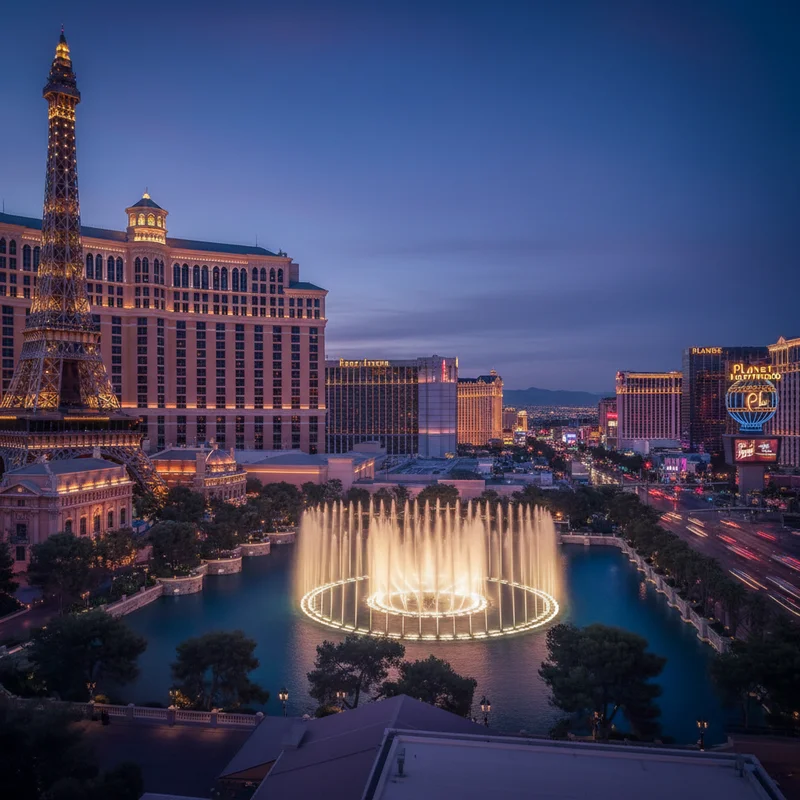
Las Vegas is a $70 billion annual economic engine that has perfected the art of separating humans from their money. The city's 200,000 hotel rooms, 30 major casinos, and 1,000 restaurants create an ecosystem wherein every moment presents an opportunity for transaction. The average visitor spends $500 per trip, and the city processes over $12 billion in gaming revenue annually. Beyond gambling, Las Vegas has diversified into conventions, residencies, championship boxing, and destination weddings, creating a self-sustaining economy that employs 300,000 people. The city generates more tax revenue for Nevada than any natural wonder could hope to achieve, representing capitalism's triumph over common sense.