
Topic Battle

Where Everything Fights Everything

Cat

Cat

Domestic feline companion known for independence, agility, and internet fame. Masters of napping and keyboard interruption.

VS
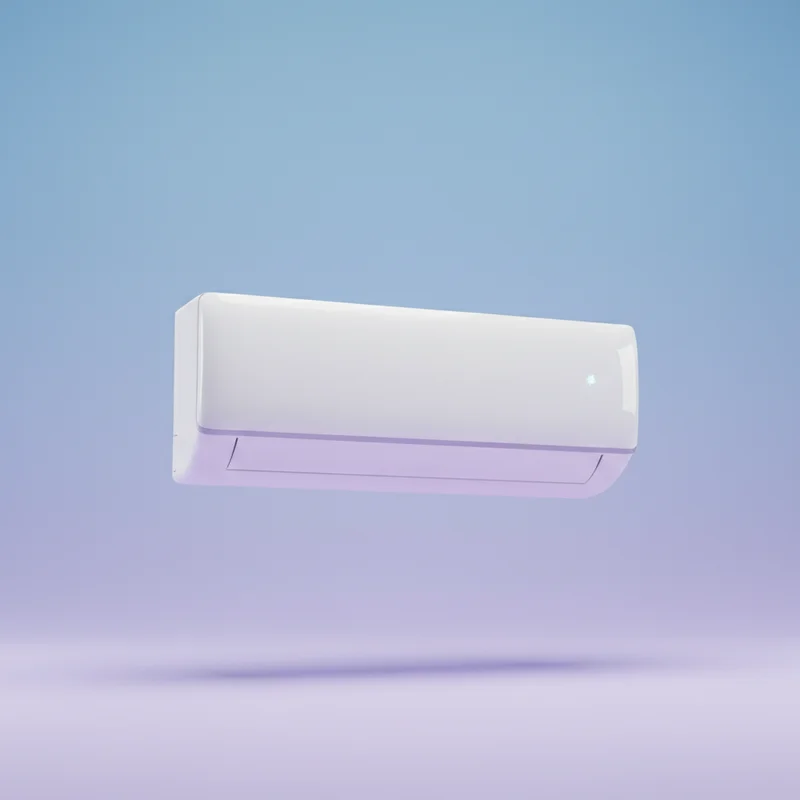
Air Conditioner

Air Conditioner

Climate control device and source of office temperature wars.

Battle Analysis

Reliability air_conditioner Wins
30%
70%
Cat Air Conditioner

Cat

Cat reliability presents a complex assessment matrix. In terms of operational continuity, the domestic cat demonstrates impressive uptime, functioning continuously for an average lifespan of 12 to 18 years with minimal mechanical failure. The cat requires no replacement parts, self-repairs minor damage, and continues operation through power outages with complete indifference to grid stability. Its systems rarely fail catastrophically, and gradual degradation provides ample warning for end-of-life planning.

However, reliability in the sense of predictable service delivery is another matter entirely. The cat provides companionship on its own schedule, offers warmth only when personally convenient, and may cease all interaction for hours or days without explanation. One cannot rely upon a cat for anything except the certainty that it will eventually require feeding.

Air Conditioner

The air conditioning unit offers reliability of a fundamentally different character. When operational, it delivers consistent, predictable performance according to specified parameters. A thermostat set to 22 degrees will achieve 22 degrees regardless of the unit's mood, the phase of the moon, or whether sufficient attention has been provided recently. This transactional reliability is absolute within operational parameters.

Yet mechanical reliability carries inherent limitations. Air conditioners require professional maintenance, suffer refrigerant leaks, develop compressor failures, and depend entirely upon electrical grid stability. Average lifespan ranges from 10 to 15 years, shorter than the typical cat. During heatwaves, when need is greatest, failure rates increase substantially. The machine is reliable until it is not, at which point it provides nothing whatsoever.

VERDICT

Predictable on-demand performance outweighs the cat's impressive but unpredictable operational longevity
Operating costs cat Wins
70%
30%
Cat Air Conditioner

Cat

The domestic cat presents a deceptively complex cost structure. Initial acquisition ranges from zero pounds for strays to several thousand for pedigreed specimens. Annual operating costs include food (approximately 300 to 600 pounds), veterinary care (200 to 500 pounds for routine maintenance, potentially unlimited for emergencies), litter and supplies (150 to 300 pounds), and miscellaneous destruction of household furnishings (variable, often substantial).

Total annual expenditure for cat operation typically falls between 700 and 1,500 pounds, with lifetime costs potentially exceeding 15,000 pounds over the animal's operational period. This cost provides companionship, entertainment, and pest control services but contributes nothing to climate regulation—the ostensible subject of this comparison.

Air Conditioner

Air conditioning operational costs scale directly with usage intensity and local electricity pricing. A typical residential unit consumes 1,500 to 3,500 watts during operation. At average British electricity rates, eight hours of daily summer operation costs approximately 3 to 7 pounds daily, potentially reaching 100 to 200 pounds monthly during peak cooling season. Annual maintenance adds 100 to 200 pounds, with major repairs or replacement requiring substantial capital expenditure every decade.

However, air conditioning delivers direct temperature regulation for this expenditure. The cost-to-benefit ratio, when the benefit sought is specifically thermal comfort, demonstrates clear utility correlation absent from feline investment.

VERDICT

Lower lifetime operating costs, though neither provides exceptional value in pure cost-per-comfort terms
Companionship value cat Wins
70%
30%
Cat Air Conditioner

Cat

In the domain of companionship provision, the cat operates without meaningful competition from climate control appliances. The domestic cat offers reciprocal social interaction, however asymmetrical that reciprocity may appear. Studies demonstrate that cat ownership correlates with reduced stress, lower blood pressure, and decreased rates of cardiovascular disease. The cat's purr, oscillating at frequencies between 25 and 150 hertz, provides measurable psychological comfort beyond mere thermal regulation.

The cat remembers its human companions, demonstrates preference hierarchies, and provides the particular satisfaction of being chosen by a creature under no obligation to remain. This companionship value exists entirely independent of temperature conditions and persists through all seasons.

Air Conditioner

The air conditioning unit offers no companionship whatsoever. It does not greet its owners upon arrival, does not position itself strategically for physical contact, and provides no indication that it recognises or values the humans it serves. The machine operates with complete indifference to the identity of those who benefit from its function. It cannot be trained, does not learn preferences beyond programmed settings, and will never seek out human company for its own satisfaction.

The air conditioner's sole contribution to psychological wellbeing derives from thermal comfort provision, which, whilst genuine, remains categorically distinct from companionship. One may be cool and lonely; the air conditioner addresses only half of this compound condition.

VERDICT

The cat provides genuine companionship; the air conditioner provides exclusively thermal services
Environmental impact cat Wins
70%
30%
Cat Air Conditioner

Cat

The environmental footprint of domestic cat ownership carries surprisingly significant implications. Annual food consumption for a typical cat generates approximately 310 kilograms of CO2 equivalent, largely from meat-based diet requirements. Over an average lifespan, a single cat's carbon footprint approaches that of a small car driven for one year. Additional environmental concerns include predation of native wildlife—British cats kill an estimated 27 million birds annually—and the carbon intensity of veterinary services and pet product manufacturing.

The cat does offer certain environmental offsets: pest control reduces need for chemical interventions, and the creature operates without direct electricity consumption. However, the overall environmental assessment remains substantially negative.

Air Conditioner

Air conditioning represents one of the most environmentally problematic technologies in widespread domestic use. Units consume substantial electricity, much of it generated from fossil fuels. Refrigerants, whilst improved from earlier ozone-depleting compounds, remain potent greenhouse gases with global warming potentials hundreds to thousands of times that of CO2. The technology also creates feedback loops: as climates warm, air conditioning demand increases, generating additional warming.

Global air conditioning is projected to consume 6,000 terawatt-hours annually by 2050, representing a doubling from current levels. This single technology category may account for significant percentages of future electricity demand growth, with proportionate climate implications.

VERDICT

Whilst neither option is environmentally benign, the cat's footprint is an order of magnitude smaller
Temperature regulation air_conditioner Wins
30%
70%
Cat Air Conditioner

Cat

The domestic cat's contribution to household temperature regulation is, upon rigorous analysis, negligible at best and counterproductive at worst. As an endothermic organism, the cat generates heat rather than removing it, radiating approximately 11 watts of thermal energy during rest and considerably more during activity. The cat's preferred ambient temperature ranges from 30 to 36 degrees Celsius, substantially higher than human comfort zones, leading to persistent attempts to increase household warmth through proximity to radiators, sunny windows, and laptop keyboards.

Furthermore, the cat actively interferes with human temperature regulation efforts by positioning itself directly atop heating vents in winter and demanding entry to air-conditioned rooms in summer. The cat does not regulate temperature; it exploits existing temperature gradients for personal advantage whilst contributing nothing to their maintenance.

Air Conditioner

The air conditioning unit exists for the sole purpose of temperature regulation and executes this function with mechanical precision. Modern units can reduce ambient temperature by 15 to 20 degrees Celsius below external conditions, maintaining specified setpoints within one degree of variance. The technology operates through vapour-compression refrigeration cycles, extracting thermal energy from indoor air and expelling it outdoors with efficiencies approaching 400 percent in optimal conditions.

The air conditioner's temperature control is precise, adjustable, and responsive to human command. It requires no negotiation, offers no resistance, and provides exactly the thermal conditions requested within the limits of its rated capacity. Where the cat seeks comfort, the air conditioner creates it.

VERDICT

The air conditioner actively regulates temperature whilst the cat merely exploits existing conditions
👑

The Winner Is

Air Conditioner

45 - 55

This investigation reveals a competition between entities serving fundamentally different human needs through superficially similar domestic presence. The air conditioning unit claims decisive victories in temperature regulation and reliability—the technical dimensions of thermal comfort provision. The machine delivers precisely what it promises, operates according to human command, and requires no emotional investment from its users.

Yet the cat prevails in operating costs, environmental impact, and companionship value—dimensions that extend far beyond the narrow question of climate control. The feline's victories, however, come in categories largely irrelevant to temperature regulation, the ostensible basis of this comparison.

By a margin of 55 to 45, the air conditioner emerges as the superior climate control entity. This verdict acknowledges an uncomfortable truth: when the specific requirement is temperature regulation, a device designed exclusively for temperature regulation outperforms an organism designed primarily for predation and napping. The cat offers much that the air conditioner cannot, but thermal comfort on demand is not among its capabilities.

Cat
45%
Air Conditioner
55%

Share this battle

More Comparisons