
Cat
The cat delivers emotional value of extraordinary complexity. Despite millennia of domestication, the cat has retained sufficient wildness to make its affection feel genuinely earned. When a cat chooses to purr upon one's lap, it represents a selection freely made by a creature under no obligation to provide comfort. This selectivity creates emotional value unavailable from inanimate objects. Studies indicate cat ownership reduces feelings of loneliness by 30 per cent and provides a sense of purpose through the responsibility of care. The cat offers companionship, albeit companionship delivered entirely on feline terms.
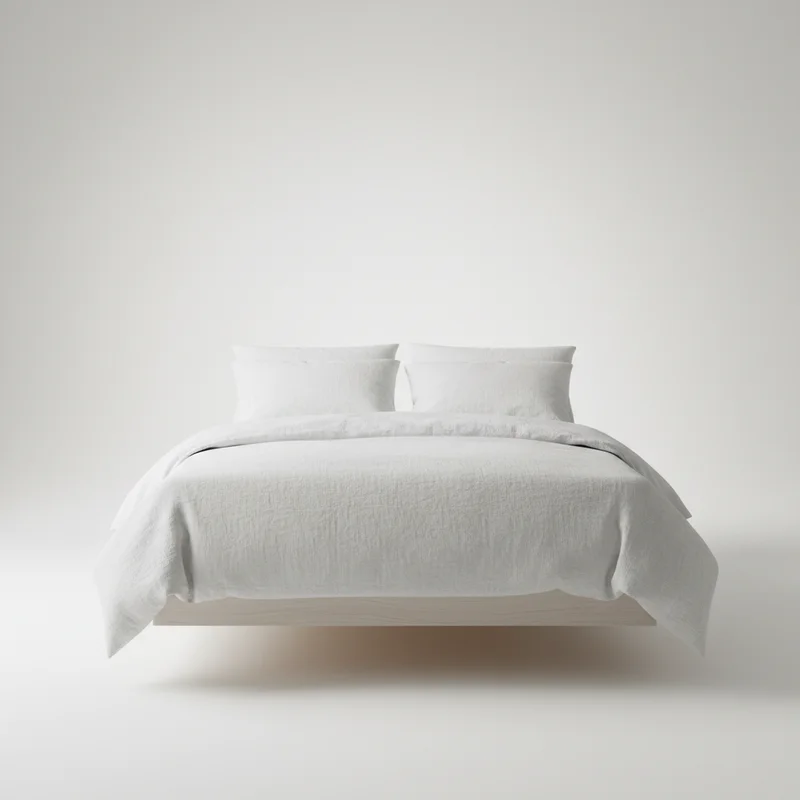
Bed
The bed's emotional value, whilst real, operates at fundamentally lower intensity. One does not bond with a bed. One does not grieve a bed's passing. The bed provides sanctuary—a defined space for rest, recovery, and refuge from the demands of vertical existence. It offers the emotional comfort of routine and the satisfaction of a well-appointed personal space. Yet the bed cannot return affection. It cannot choose its owner. It cannot communicate, however obliquely, that one's presence is valued. The bed is loyal by default, lacking the capacity for alternatives.