Topic Battle

Where Everything Fights Everything

Cat

Cat

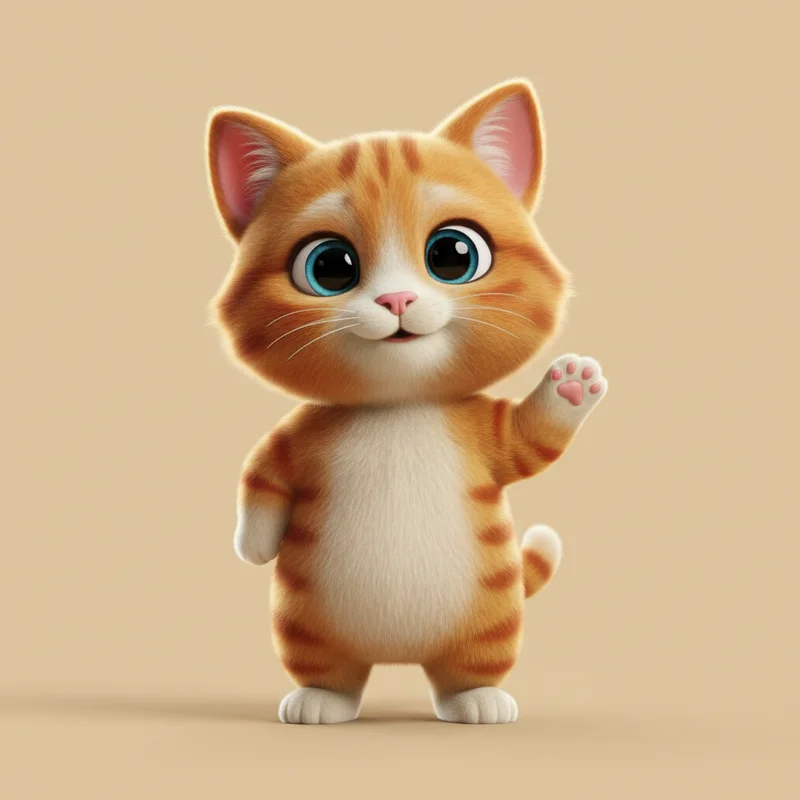
Domestic feline companion known for independence, agility, and internet fame. Masters of napping and keyboard interruption.

VS
Beer

Beer

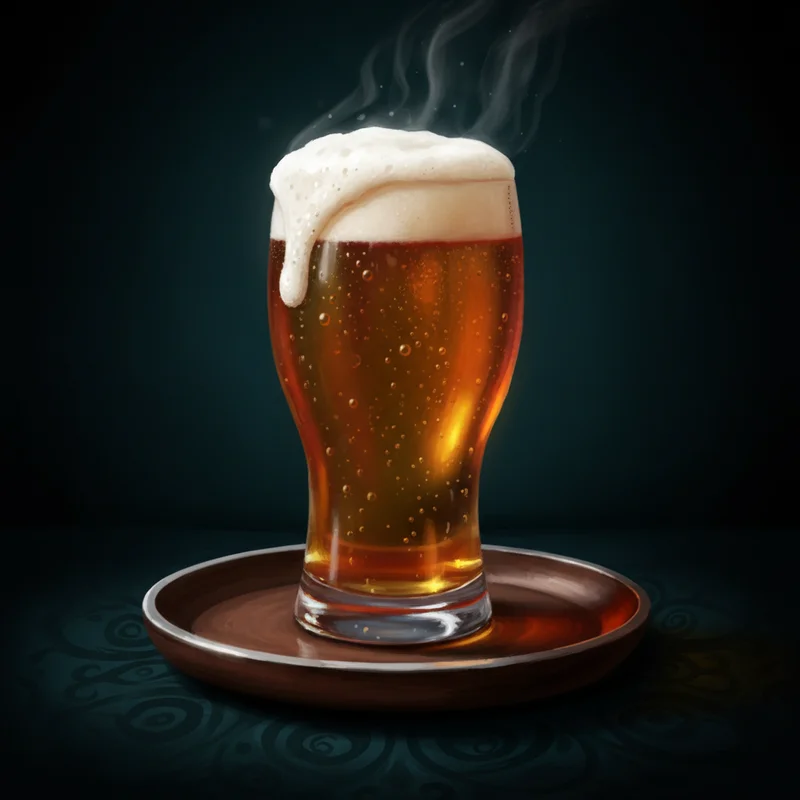
Fermented grain beverage and social lubricant of civilizations.

Battle Analysis

Reliability Beer Wins
30%
70%
Cat Beer

Cat

Cats provide many things, but reliability ranks notably low among their attributes. The creature may choose to offer affection or may choose to hide beneath furniture for reasons apparent only to itself. Attempts to predict feline behaviour have frustrated researchers for decades, yielding only the conclusion that cats operate according to internal logic inaccessible to human analysis.

This unpredictability extends to all aspects of the relationship. The cat that demanded lap access yesterday may react to today's identical offer with visible contempt. The preferred sleeping location changes without notice. Even meal preferences fluctuate, with previously favoured foods suddenly rejected as though personally offensive.

For humans seeking consistent, predictable comfort, cats present substantial risk. The comfort, when provided, proves exceptional, but its provision remains subject to feline discretion, a condition that tests human patience repeatedly across years of cohabitation.

Beer

Beer delivers precisely what it promises with mechanical consistency. The chemical composition of a given brand remains stable across batches, ensuring that today's pint provides essentially identical experience to yesterday's. This reliability enables planning and expectation-setting in ways cats categorically refuse to accommodate.

The beverage does not experience moods. It does not sulk following perceived slights. It does not decide, inexplicably, that the human who has provided years of care now deserves only cold indifference. Beer simply waits, unchanging, until the moment of consumption, then delivers its effects according to well-documented pharmacological principles.

For humans whose daily tolerance for uncertainty reaches its limit before arriving home, beer offers guaranteed consistency that living creatures cannot match. The absence of personality is, in certain contexts, a feature rather than a limitation.

VERDICT

Beer's absolute consistency provides reliable comfort that the fundamentally unpredictable nature of feline companions cannot guarantee.
Stress relief Cat Wins
70%
30%
Cat Beer

Cat

Feline stress relief operates through documented physiological mechanisms. The frequency of a cat's purr, measured consistently at 25 to 150 Hz, falls within therapeutic ranges associated with reduced blood pressure, decreased cortisol production, and enhanced parasympathetic nervous system activity. Mere proximity to a purring cat produces measurable reductions in stress hormones.

The delivery method proves remarkably efficient. Unlike pharmaceutical interventions, no prescription is required. Unlike alcohol, no metabolic processing creates delayed negative effects. The cat simply positions itself upon the human's lap and initiates purring, often without explicit invitation, providing therapy the human may not have recognised they required.

Long-term studies indicate that cat owners demonstrate lower rates of cardiovascular disease and reduced anxiety markers compared to non-owners, suggesting cumulative therapeutic benefits that compound over years of cohabitation.

Beer

Beer provides stress relief through the well-documented anxiolytic properties of ethanol. At moderate consumption levels, alcohol suppresses activity in the amygdala whilst enhancing GABA receptor function, creating a measurable reduction in subjective anxiety within approximately 15 to 30 minutes of consumption.

The mechanism proves highly reliable across populations. Virtually all humans with functioning livers experience some degree of stress reduction following moderate beer consumption, a universality that few other interventions can claim. The effect requires no training, no relationship-building, and no ongoing maintenance between sessions.

However, the stress relief remains temporally bounded. Effects dissipate as blood alcohol levels decline, and chronic use produces tolerance requiring increased consumption for equivalent relief. The morning after introduces its own stress, creating a cyclical pattern that distinguishes beer fundamentally from feline alternatives.

VERDICT

Feline stress relief accumulates without tolerance, withdrawal, or morning-after consequences, providing superior long-term therapeutic outcomes.
Emotional depth Cat Wins
70%
30%
Cat Beer

Cat

Cats offer emotional engagement that no fermented beverage can approximate. The gradual development of mutual recognition, the establishment of shared routines, and the inexplicable loyalty of a creature that could survive perfectly well without human intervention create genuine biographical significance in ways consumption experiences cannot.

The bond between human and cat, whilst often characterised as one-sided, reveals remarkable depth upon close examination. Cats modify their vocalisations specifically for human communication. They develop greeting rituals for returning owners. They demonstrate measurable distress at prolonged separation, suggesting attachment that transcends mere food-source recognition.

This emotional depth carries corresponding weight. The eventual loss of a feline companion produces grief indistinguishable from human bereavement, a toll beer never extracts. Yet most cat owners willingly accept this eventual pain as acceptable price for years of genuine companionship.

Beer

Beer provides emotional experience strictly bounded by the duration of consumption. The initial anticipation, the satisfaction of the first sip, and the gradual relaxation of subsequent consumption create genuine pleasure, but pleasure that resets completely between sessions. No accumulated emotional history develops between human and beer.

One pint bears no meaningful connection to previous or subsequent pints. The relationship, such as it exists, remains purely transactional, comfort exchanged for currency without residual attachment. This limitation is simultaneously beer's weakness and its freedom, demanding nothing whilst providing reliable if shallow satisfaction.

Attempts to invest beer with emotional significance typically indicate problematic consumption patterns rather than the development of genuine relationship. The substance was designed for consumption, not companionship, and performs its designed function without pretence to deeper meaning.

VERDICT

Living creatures capable of forming lasting bonds provide irreplaceable emotional depth that transactional consumption experiences cannot replicate.
Social facilitation Beer Wins
30%
70%
Cat Beer

Cat

Cats facilitate social interaction primarily through digital intermediation. Cat-related content generates engagement rates exceeding virtually all other social media categories, with cat videos alone accumulating over 26 billion views annually on major platforms. Ownership of a photogenic feline provides essentially unlimited content for social validation.

Physical social facilitation proves more limited. Cats cannot accompany their owners to social establishments without causing regulatory complications. They contribute nothing to in-person conversation beyond providing topics for owners to discuss with other cat enthusiasts. Their social utility operates almost entirely at a remove from actual social situations.

The social bonds formed through shared cat appreciation, whilst genuine, tend toward the parasocial. One's relationship with other cat lovers remains mediated through the cat rather than directly personal, a distinction that limits cats' effectiveness as social catalysts.

Beer

Beer has functioned as humanity's primary social facilitator for millennia. The public house, the biergarten, and the tavern represent cultural institutions explicitly designed around beer consumption, providing dedicated physical infrastructure for social bonding found in virtually every culture that has discovered fermentation.

The phrase 'fancy a pint?' serves as universal British code for social availability, requiring no further context or explanation. Beer rounds create reciprocal obligation structures that reinforce social bonds through repeated exchange. The shared experience of consumption provides synchronised activity that reduces social awkwardness without requiring conversational brilliance.

Alcohol's disinhibiting effects, whilst carrying obvious risks, genuinely facilitate social connection for individuals who struggle with sober interaction. Beer provides a social technology refined over thousands of years, purpose-built for the task in ways cats have never attempted.

VERDICT

Beer's millennia of refinement as a social technology, complete with dedicated infrastructure and cultural protocols, outperforms digital cat content in facilitating genuine human connection.
Maintenance requirements Beer Wins
30%
70%
Cat Beer

Cat

Cat maintenance demands prove substantial when honestly catalogued. Daily obligations include twice-daily feeding, litter management, fresh water provision, and mandatory interaction to prevent behavioural deterioration. These requirements cannot be suspended for holidays without arranging substitute care at considerable expense and emotional cost.

Veterinary requirements add periodic but significant burdens. Annual vaccinations, dental care, and the statistically inevitable emergency visit for mysterious ailments create both financial and temporal demands. The average cat owner spends approximately £1,000 to £1,500 annually on feline maintenance when all costs are properly accounted.

Unlike beverages, cats cannot be stored indefinitely awaiting convenient consumption. They demand attention on their own schedule, which rarely aligns with human preference. The maintenance relationship is, fundamentally, non-negotiable for the duration of the cat's 15 to 20 year lifespan.

Beer

Beer maintenance requirements approach the theoretical minimum for any comfort-providing substance. Proper storage requires only a cool, dark location, ideally a refrigerator for optimal serving temperature. No feeding, no veterinary visits, and no emotional attention are required between purchase and consumption.

The beverage waits patiently until needed, demanding nothing beyond adequate storage conditions. Shelf life, whilst not infinite, extends to six to nine months for most commercial lagers, and considerably longer for higher-alcohol specialty varieties. The beer neither resents neglect nor requires apologetic treats upon the owner's return from holiday.

Total cost of ownership scales linearly with consumption rather than representing a fixed overhead. One may reduce beer expenditure to zero without moral consequence, an option categorically unavailable to cat owners who have accepted ongoing responsibility for another creature's welfare.

VERDICT

Beer's near-zero maintenance requirements and infinitely flexible consumption schedule provide clear practical advantages over living creatures with continuous biological needs.
👑

The Winner Is

Cat

55 - 45

The cat prevails through the simple mathematics of accumulated significance. Each beer leaves nothing behind but metabolic byproducts and fading memory. Each day with a cat adds to a shared history that grows richer with time, creating meaning that no beverage, however perfectly crafted, can provide.

Beer will continue serving its essential function in human civilisation. The pub will remain a cornerstone of social infrastructure. The cold pint after a difficult day will retain its irreplaceable role in the taxonomy of small pleasures. These truths require no defence.

Yet when the final accounting is made, consciousness shared proves more valuable than consciousness merely altered. The cat offers not escape from the self but connection with another, and in that difference lies its ultimate advantage over even the finest ale ever brewed.

Cat
55%
Beer
45%

Share this battle

More Comparisons