Topic Battle

Where Everything Fights Everything

Cat

Cat

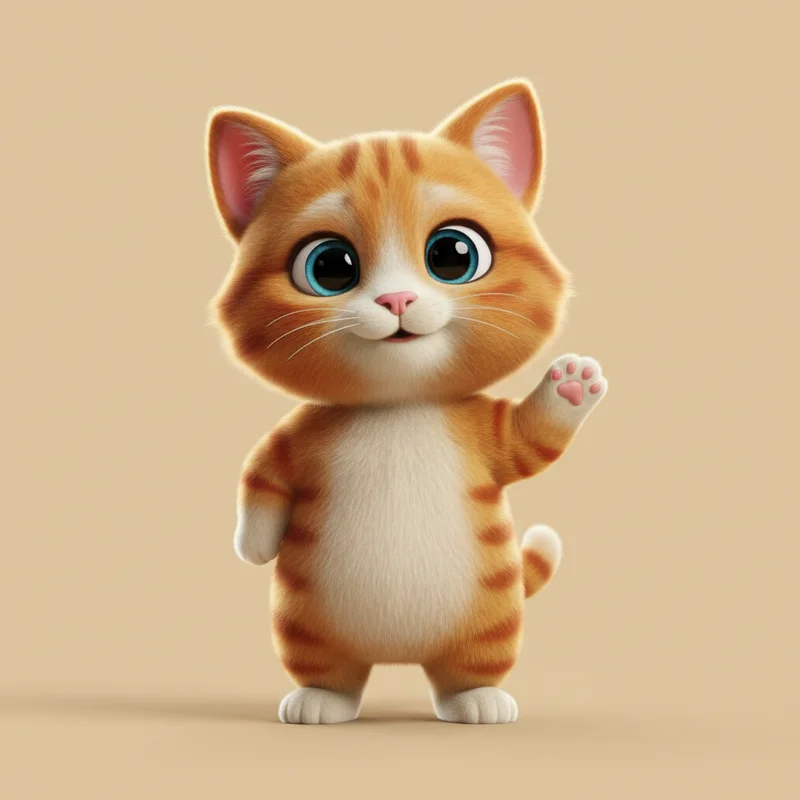
Domestic feline companion known for independence, agility, and internet fame. Masters of napping and keyboard interruption.

VS
Chameleon

Chameleon

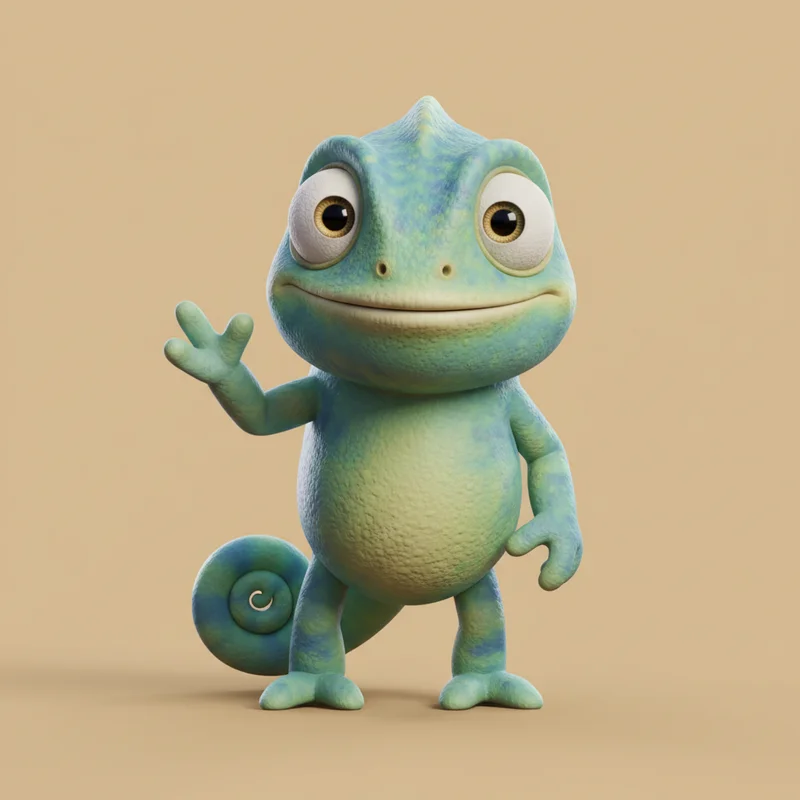
Color-changing lizard with independently moving eyes and ballistic tongue capture of prey.

Battle Analysis

Speed Cat Wins
70%
30%
Cat Chameleon

Cat

The domestic cat achieves remarkable velocity when sufficiently motivated. Sprint speeds reach 30 miles per hour in short bursts, with acceleration from standstill to maximum velocity occurring within seconds. This performance places cats among the faster domestic animals, exceeded only by certain dog breeds specifically bred for racing.

However, cats deploy this speed sparingly, preferring to conserve energy through extended periods of absolute stillness. The average cat spends approximately 70% of its existence sleeping, treating rapid movement as an emergency protocol rather than standard operating procedure. When speed does manifest, it typically arrives without warning, often at 3 AM, involving enthusiastic sprints across sleeping human faces.

Chameleon

The chameleon operates on an entirely different temporal scale. Locomotion occurs at speeds generously described as glacial, with movement so deliberate that predators frequently fail to register it as movement at all. This apparent deficiency serves strategic purposes, as stillness combined with colour adaptation renders the chameleon effectively invisible to threats.

The exception to this deliberate pace involves the tongue. Chameleon tongue projection achieves acceleration of 41 Gs, launching the muscular hydrostatic apparatus from mouth to prey in approximately 20 milliseconds. This represents one of the fastest movements in the animal kingdom, a fact that proves surprising given the creature's otherwise contemplative approach to existence.

VERDICT

Whilst the chameleon's tongue achieves extraordinary acceleration, overall mobility favours the feline by substantial margins.
Durability Cat Wins
70%
30%
Cat Chameleon

Cat

Cats demonstrate remarkable resilience across multiple dimensions. The domestic feline lifespan extends to 15-20 years under optimal conditions, with documented cases exceeding 30 years. Their famous righting reflex allows survival from falls that would prove fatal to less acrobatically gifted mammals, contributing to persistent mythology regarding multiple lives.

Physical durability combines with psychological resilience. Cats recover from territorial disputes, environmental changes, and veterinary interventions with equanimity that borders on indifference. Their capacity to thrive in conditions ranging from Siberian winters to Australian summers demonstrates adaptability few domestic animals can match.

Chameleon

Chameleon durability operates within narrower parameters. Lifespans range from 3 to 10 years depending upon species, with captive specimens frequently failing to achieve wild counterpart longevity due to the difficulty of replicating precise environmental requirements. Temperature, humidity, and lighting must fall within specific ranges for optimal health.

The chameleon's fragility extends to stress tolerance. Environmental disruption, handling, and even the presence of other chameleons can trigger physiological stress responses with measurable health consequences. These creatures evolved for stable arboreal environments, not the variable conditions of domestic existence.

VERDICT

Superior lifespan and environmental adaptability position the cat as the more durable organism by considerable margins.
Versatility Cat Wins
70%
30%
Cat Chameleon

Cat

Cats exhibit versatility across functional, social, and environmental dimensions. As pest controllers, they eliminate rodents, insects, and small reptiles with professional efficiency. As companions, they provide emotional support calibrated to human needs, offering affection when convenient and independence when preferred. As internet content, they generate billions of annual views across platforms.

Domestic cats thrive in apartments, houses, farms, ships, and warehouses. They adapt their behaviour to human schedules whilst maintaining independent operational capability. This flexibility explains their global distribution and their persistent presence in human civilisation dating back 10,000 years.

Chameleon

Chameleon versatility manifests in more specialised domains. Their colour-changing capability serves multiple functions: camouflage, thermoregulation, and social communication. The independently rotating eyes provide 360-degree visual coverage without head movement, a surveillance capability unmatched in the vertebrate world.

However, environmental versatility remains limited. Chameleons require specific arboreal habitats with appropriate prey availability, temperature gradients, and humidity levels. Attempts to employ chameleons in roles beyond their evolutionary specifications typically end in disappointment for all parties involved.

VERDICT

Broader functional capabilities and environmental adaptability establish feline superiority in versatility metrics.
Sustainability Chameleon Wins
30%
70%
Cat Chameleon

Cat

Cat sustainability presents complex calculations. The domestic cat diet relies heavily upon commercial pet food production, an industry with substantial environmental footprint. Estimates suggest global cat food production generates 64 million tonnes of CO2 equivalent annually. Additional environmental concerns include predation impact on native wildlife, particularly bird populations in regions where cats were introduced.

However, cats reproduce readily without technological intervention, maintain themselves through instinctive grooming behaviours, and provide pest control services that reduce reliance on chemical alternatives. The sustainability equation proves neither straightforwardly positive nor negative.

Chameleon

Chameleons operate on remarkably sustainable principles. Their insectivorous diet places minimal demands upon agricultural systems. Individual food consumption remains modest due to slow metabolisms, with adult specimens requiring only several insects daily for maintenance. They produce minimal waste and require no processed food products.

The sustainability advantage extends to reproduction, though breeding chameleons requires specific environmental conditions rarely achieved in domestic settings. Wild populations face pressures from habitat destruction and collection for pet trade, introducing ethical considerations regarding domestic chameleon keeping that complicate sustainability assessments.

VERDICT

Lower resource requirements and minimal environmental footprint establish the chameleon as the more sustainable organism.
Entertainment value Cat Wins
70%
30%
Cat Chameleon

Cat

Cats provide entertainment value measured in hours of daily content consumption globally. Videos featuring cats constitute a substantial percentage of internet traffic, with individual specimens achieving celebrity status and dedicated merchandising operations. The entertainment derives from unpredictability, as cats combine dignity with occasional spectacular failures in ways that resonate across cultures.

Live cat entertainment proves equally compelling. The species demonstrates an apparent awareness of comedic timing, executing pratfalls, startled jumps, and inexplicable behaviours at moments seemingly calculated for maximum audience impact. Whether this represents genuine performance awareness or happy accident remains subject to ongoing debate.

Chameleon

Chameleon entertainment operates through different mechanisms. The colour-changing capability provides genuine fascination for observers, particularly during emotional or environmental transitions. The slow-motion hunting sequence, culminating in explosive tongue deployment, offers nature documentary satisfaction difficult to replicate with other household pets.

However, chameleon entertainment requires patience. Extended observation periods may yield minimal visible activity, as the creatures excel at remaining motionless for durations that test human attention spans. The entertainment value exists but requires commitment to access, unlike the on-demand performance capabilities of feline companions.

VERDICT

Superior entertainment accessibility and global cultural penetration establish the cat as the more reliably engaging companion.
👑

The Winner Is

Cat

58 - 42

The cat prevails through superior integration into human domestic existence, an achievement 10,000 years in the making. Where the chameleon optimised for arboreal stealth and insect capture, the cat optimised for mammalian social manipulation, a strategy that has proven remarkably successful in securing shelter, sustenance, and global internet fame.

The chameleon remains a creature of extraordinary evolutionary refinement, possessing sensory capabilities that humble mammalian equivalents. Its tongue deploys with acceleration exceeding fighter jet capabilities. Its eyes operate independently like organic surveillance drones. Its skin functions as a living LED display. These achievements merit profound respect.

Yet respect does not translate to victory in domestic companion assessments. The cat's capacity for emotional reciprocity, environmental adaptability, and entertainment provision establishes clear superiority for human coexistence purposes. The chameleon may be the more remarkable organism; the cat is simply the better housemate.

Cat
58%
Chameleon
42%

Share this battle

More Comparisons