
Topic Battle

Where Everything Fights Everything

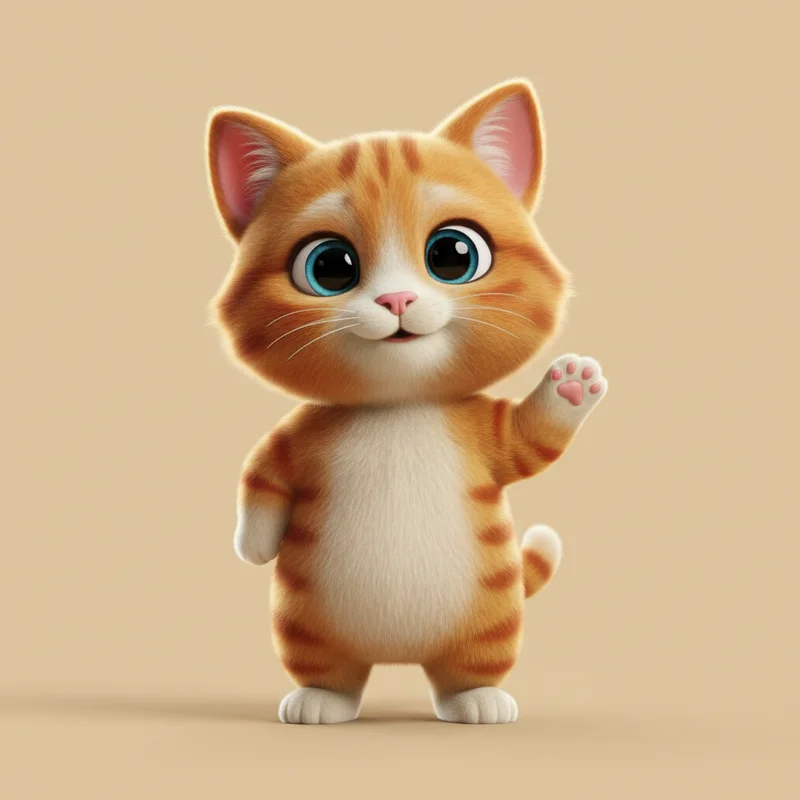
Cat

Cat

Domestic feline companion known for independence, agility, and internet fame. Masters of napping and keyboard interruption.

VS
Cheese

Cheese

Aged dairy product with thousands of varieties and passionate devotees.

Battle Analysis

Durability cat Wins
70%
30%
Cat Cheese

Cat

The domestic cat demonstrates considerable biological resilience. The average indoor cat persists for 12 to 18 years, with exceptional specimens exceeding three decades. Cats survive falls from significant heights, recover from injuries that would prove terminal to other mammals, and maintain hunting capability well into advanced age. The feline reputation for possessing nine lives, whilst numerically inaccurate, reflects observable durability.

However, cat durability requires substantial infrastructure support. Veterinary intervention, nutritional provision, and environmental maintenance are prerequisites for longevity. The cat does not simply endure; it endures given appropriate care.

Cheese

Cheese durability varies dramatically by classification. Soft cheeses such as brie may begin deterioration within one to two weeks of production. Hard cheeses like Parmesan, conversely, improve over periods measured in years, with some wheels maturing for thirty-six months or longer. Certain specimens have been discovered intact after decades of storage, though consumption at such ages remains inadvisable.

The critical distinction lies in the nature of decay. A deteriorating cheese simply transitions from edible to inedible. A deteriorating cat requires emotional processing, burial arrangements, and potential psychological counselling. Cheese failure is inconvenient; cat failure is devastating.

VERDICT

Cats maintain functional operation for decades; cheese requires consumption or faces eventual obsolescence
Versatility cheese Wins
30%
70%
Cat Cheese

Cat

The domestic cat presents itself as a remarkably multifunctional household asset. Primary functions include pest control, operating as a self-directed rodent elimination system requiring no human oversight. Secondary functions encompass lap warming during winter months, ambient noise provision through purring, and the generation of social media content. The cat additionally serves as an alarm system of variable reliability, detecting intruders with enthusiasm whilst simultaneously ignoring them entirely at its discretion.

However, the cat's versatility operates strictly within feline parameters. One cannot spread a cat upon bread, melt it into a sauce, or incorporate it into a tart. The cat's applications, whilst genuine, exist within a narrow band of companionship-adjacent functions.

Cheese

Cheese demonstrates versatility of an altogether different magnitude. The substance functions as ingredient, accompaniment, centrepiece, and snack with equal competence. It may be melted, sliced, grated, crumbled, or consumed in its unmodified state. Cheese integrates into breakfast, lunch, dinner, and midnight refrigerator visits without compositional alteration. The existence of over 1,800 distinct cheese varieties speaks to its adaptability across cultural and culinary contexts.

From the stringy mozzarella crowning a pizza to the crystalline aged Parmesan finishing a risotto, cheese modulates its character according to application. No single cheese serves all purposes, but the category as a whole addresses virtually every culinary requirement imaginable.

VERDICT

Cheese's 1,800 varieties address more practical applications than feline companionship permits
Emotional return cat Wins
70%
30%
Cat Cheese

Cat

The emotional value provided by a domestic cat operates through mechanisms not fully understood by behavioural science. The cat provides companionship without obligation—its presence is chosen, not compelled, lending particular significance to moments of feline affection. Studies indicate cat ownership correlates with reduced blood pressure, decreased anxiety, and improved cardiovascular outcomes.

The cat's purr, oscillating between 25 and 150 hertz, has been demonstrated to promote healing and reduce stress hormones in proximate humans. The simple act of a cat choosing one's lap over alternative resting locations delivers emotional validation no inanimate object can replicate.

Cheese

Cheese provides emotional return through the mechanism of pleasure. The combination of fat, salt, and umami compounds triggers dopamine release in quantities measurable by neuroimaging. A quality cheese board can elevate an ordinary evening into an occasion. The anticipation of aged Comte or perfectly ripe Epoisses generates genuine happiness in enthusiasts.

However, cheese does not reciprocate. It does not greet one at the door, curl against one's feet, or purr contentedly whilst being consumed. Cheese provides sensory pleasure, not relational satisfaction. The emotional return, whilst genuine, lacks the dimension of mutual recognition that characterises human-feline interaction.

VERDICT

Cats provide reciprocal emotional relationship; cheese offers only unilateral sensory pleasure
Cultural significance cat Wins
70%
30%
Cat Cheese

Cat

Feline cultural penetration defies rational analysis. Ancient Egypt elevated cats to divine status, punishing their harm with severity typically reserved for crimes against the state. Japanese culture produced the maneki-neko, a beckoning cat figure believed to attract fortune. The internet age transformed cats into the dominant visual currency of online communication, with cat imagery generating more engagement than virtually any other content category.

The cat occupies a unique cultural position: simultaneously worshipped and mocked, revered and ridiculed. Grumpy Cat generated estimated revenues exceeding $100 million from a single feline's expression of displeasure. No other domesticated species commands comparable cultural real estate.

Cheese

Cheese bears the weight of 7,000 years of human civilisation upon its rind. Entire regional identities crystallise around cheese production—Roquefort has protected designation of origin status under European law, as do Stilton, Gorgonzola, and hundreds of others. The phrase 'the big cheese' denotes importance; 'cheesy' has evolved complex connotations spanning the endearingly tacky to the genuinely inferior.

However, cheese has not achieved the meme status of the domestic cat. No cheese has its own social media following. Cheese appears in refrigerators, not in viral videos. Its cultural significance is genuine but operates at a different register than feline omnipresence.

VERDICT

Internet age has elevated feline cultural dominance beyond cheese's venerable but less viral presence
Maintenance requirements cheese Wins
30%
70%
Cat Cheese

Cat

Cat maintenance constitutes a significant operational commitment. Daily requirements include two feeding sessions, water provision, and litter box maintenance. Weekly requirements expand to include grooming for long-haired varieties and toy rotation to prevent feline ennui. Annual requirements encompass veterinary examinations and vaccination updates. The total cost of cat ownership has been estimated at $1,000 to $2,000 annually for basic care, excluding emergency interventions.

The cat additionally demands psychological maintenance. Insufficient attention produces behavioural consequences ranging from furniture destruction to targeted urination. The cat's needs are not merely physical but emotional, and neglect of either domain invites consequences.

Cheese

Cheese maintenance requirements approach the negligible. Proper storage demands merely appropriate refrigeration temperature—between 4 and 8 degrees Celsius for most varieties—and protection from dehydration through wrapping. Hard cheeses require less attention than soft; aged varieties may be essentially forgotten for months without deterioration. The total maintenance infrastructure consists of refrigerator space and wrapping material.

Cheese makes no emotional demands whatsoever. It does not sulk when ignored, does not vocalise complaints at feeding delays, and does not require its storage environment to meet psychological as well as physical parameters. Cheese simply exists until consumed.

VERDICT

Cheese requires only refrigeration; cats demand comprehensive physical and emotional infrastructure
👑

The Winner Is

Cat

55 - 45

This investigation reveals competitors of surprisingly equivalent merit. Cheese claims decisive victory in versatility and maintenance requirements—the practical considerations of household management. No cat can achieve the culinary integration of a quality Gruyere, and no cat permits the benign neglect that cheese not only tolerates but often rewards through aging.

Yet the cat prevails in durability, cultural significance, and emotional return—the dimensions that arguably transcend mere practicality. The cat provides something cheese fundamentally cannot: a relationship. However asymmetrical, however conducted on feline terms, the human-cat bond delivers emotional value that no fermented dairy product can approximate.

By a margin of 55 to 45, the cat emerges as the superior object of domestic devotion. This verdict acknowledges that whilst cheese asks nothing and provides consistent gustatory pleasure, asking nothing is not always virtue. The cat's demands create framework for routine, responsibility, and reciprocal affection that enriches human existence in ways that transcend the undeniable excellence of a well-aged cheddar.

Cat
55%
Cheese
45%

Share this battle

More Comparisons