
Cat
The loyalty of Felis catus operates according to principles that resist easy characterisation. Cats demonstrate clear preferences for specific individuals, greeting favoured humans with vocalisations and physical affection while regarding strangers with the suspicion that reasonable security protocols would recommend. They remember their people, return to their homes across remarkable distances, and mourn absences in ways that research has only begun to document.
Yet cat loyalty manifests with what might be termed conditional enthusiasm. A cat's affection must be earned and maintained through consistent provision of resources and respect for boundaries. Cats do not forgive neglect quickly, holding grudges with the persistence of elephants and the subtlety of passive-aggressive colleagues.
The scientific literature suggests that cats view their owners as social companions rather than authority figures. They do not seek to please in the manner of dogs but rather to coexist on terms of mutual benefit. This is loyalty of a particular kind, genuine but measured, affectionate but never subservient.
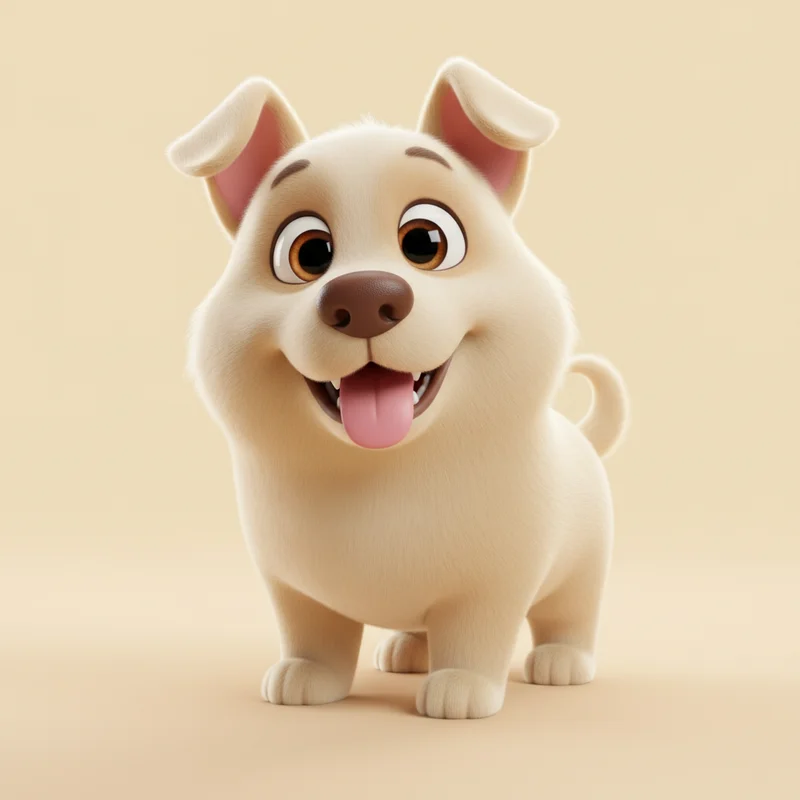
Dog
The loyalty of the domestic dog has achieved legendary status in human culture for reasons that scientific observation entirely supports. Dogs demonstrate attachment behaviours so consistent and intense that researchers have documented elevated cortisol levels during owner separation and genuine excitement responses to reunion events, even after absences of mere minutes.
This loyalty manifests in practical behaviours that humans have deliberately cultivated. Guard dogs protect property with their lives. Service dogs guide blind individuals through traffic. Therapy dogs provide emotional support to hospital patients and disaster survivors. Dogs have been bred, across thousands of years, to direct their social bonding instincts toward human wellbeing, creating relationships that approach what might reasonably be termed unconditional devotion.
The evolutionary basis for canine loyalty appears rooted in pack dynamics transferred to human family units. Dogs regard their owners as pack members deserving the same commitment that wolves demonstrate toward their social groups. This produces loyalty that requires no earning, asks no reciprocation, and persists through circumstances that would strain human friendships. It is, by most measures, remarkable.