Topic Battle

Where Everything Fights Everything

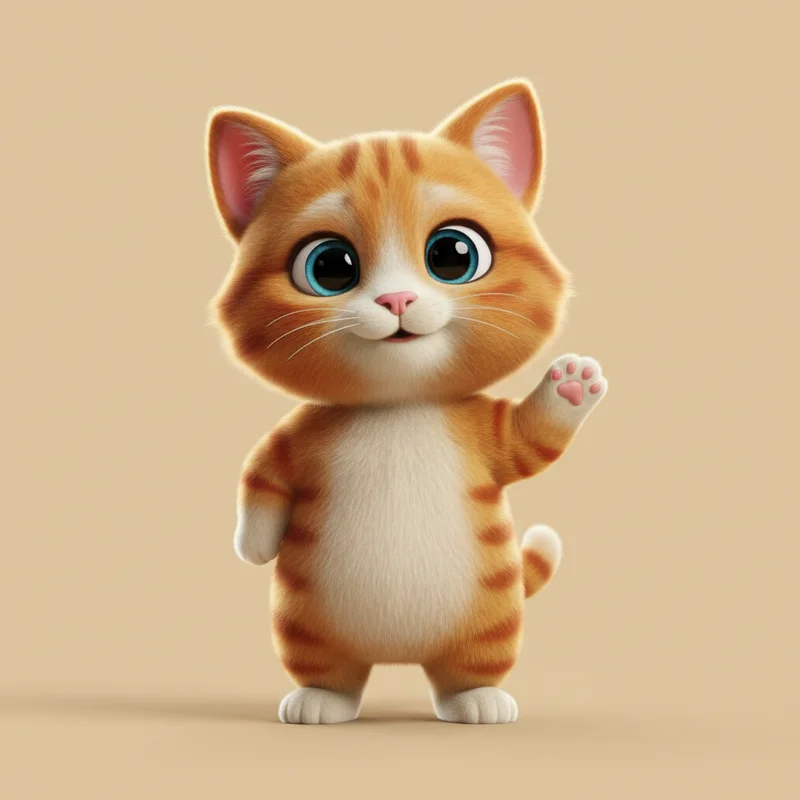
Cat

Cat

Domestic feline companion known for independence, agility, and internet fame. Masters of napping and keyboard interruption.

VS
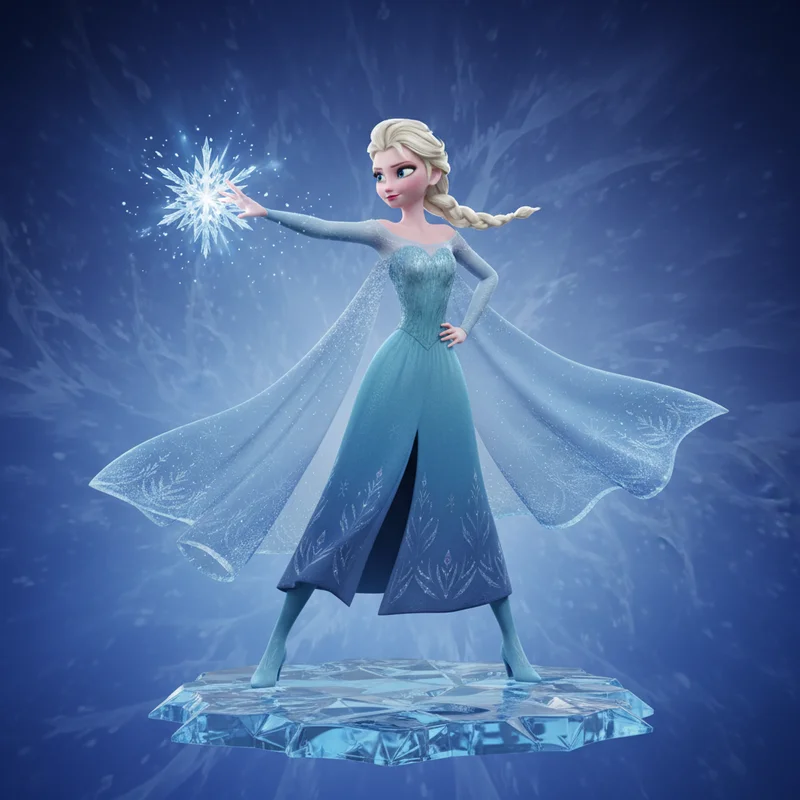
Elsa

Elsa

Ice queen who couldn't let it go.

Battle Analysis

Therapeutic value cat Wins
70%
30%
Cat Elsa

Cat

Cats provide documented therapeutic benefits through multiple mechanisms. Purring frequency, measured at 25 to 150 Hz, corresponds to ranges associated with bone density preservation and tissue healing. Physical proximity to cats reduces human cortisol levels and blood pressure, whilst cat ownership correlates with 30% reduction in cardiovascular event risk according to longitudinal studies.

The therapeutic relationship operates bidirectionally in functional terms. Cats require care, creating structure and purpose for owners. The daily obligations of feeding, grooming, and interaction provide what mental health professionals term behavioural activation, a core component of depression treatment available without prescription.

Elsa

Elsa's therapeutic contribution operates through narrative rather than biological mechanisms. The character's journey from isolation to acceptance provides what developmental psychologists term a positive identity model for children experiencing feelings of difference. Themes of self-acceptance, sibling reconciliation, and emotional regulation resonate with viewers processing similar challenges.

However, therapeutic benefits require active engagement with narrative content rather than passive proximity. Elsa cannot be cuddled, cannot purr at healing frequencies, and cannot provide the physical presence that triggers oxytocin release in human brains. Her support remains permanently theoretical rather than tangible.

VERDICT

Measurable physiological benefits through physical presence outperform narrative therapeutic value requiring active interpretation.
Cultural longevity cat Wins
70%
30%
Cat Elsa

Cat

The domestic cat's cultural presence spans recorded human history and likely precedes it. Ancient Egyptian civilisation elevated cats to divine status, with the goddess Bastet commanding temples and festivals. Subsequent centuries saw cats worshipped, persecuted, rehabilitated, and ultimately installed as internet sovereigns, demonstrating remarkable adaptive persistence.

The cat's cultural position shows no signs of diminution. Each generation discovers feline appeal independently, requiring no marketing intervention or franchise management. The species maintains relevance through simple existence, a sustainability model no fictional character can replicate.

Elsa

Elsa's cultural trajectory follows patterns established by previous Disney properties. Peak cultural saturation occurred during 2014-2016, with subsequent content maintaining rather than expanding her presence. The character remains recognisable to successive child cohorts through merchandise exposure and streaming availability, though intensity of engagement appears to diminish with distance from original release.

Comparative analysis with earlier Disney properties suggests probable long-term trajectory. Characters like Cinderella and Snow White maintain cultural recognition after 70+ years but command reduced active engagement. Elsa's future likely follows similar patterns of gradual transition from cultural phenomenon to nostalgic reference.

VERDICT

Ten millennia of continuous cultural relevance demonstrates longevity no decade-old character can yet demonstrate.
Internet dominance cat Wins
70%
30%
Cat Elsa

Cat

Cats achieved internet supremacy before most platforms existed to measure it. The species accounts for approximately 15% of all internet traffic when images, videos, and derivative content are properly calculated. Individual cats have amassed social media followings exceeding 4 million followers, whilst cat-related content generates engagement rates consistently outperforming human celebrities.

The mechanism behind this dominance remains partially unexplained. Researchers propose that cat content triggers dopamine responses associated with both cuteness perception and comedic timing. The unpredictability of feline behaviour creates natural entertainment value that requires no scripting, editing, or directorial intervention beyond pointing a camera.

Elsa

Elsa's internet presence operates through more controlled channels. Disney maintains strict oversight of official content, whilst fan-generated material exists in complex relationship with intellectual property enforcement. The character's digital footprint proves substantial but concentrated, dominated by official merchandise marketing and child-targeted content rather than organic viral phenomena.

'Let It Go' achieved 3.4 billion YouTube views, a figure suggesting dominance until compared against the aggregate cat content that accumulates similar numbers weekly. Elsa content requires production budgets, whilst cat content requires only a smartphone and a creature doing precisely what cats always do.

VERDICT

Organic internet dominance requiring no production budget or copyright protection demonstrates superior digital fitness.
Regal indifference cat Wins
70%
30%
Cat Elsa

Cat

The domestic cat has elevated indifference to an art form spanning millennia. Field observations confirm that the average cat responds to its name approximately 10% of the time, a figure that drops to near zero when the human requires anything beyond aesthetic appreciation. This studied disregard paradoxically intensifies human devotion, a phenomenon documented extensively in psychological literature.

Cats demonstrate their indifference through precise behavioural calibration. They request attention at inconvenient moments, ignore it when offered freely, and maintain expressions suggesting mild disappointment in human existence regardless of service quality. This royal bearing has inspired countless humans to photograph, memorialize, and worship creatures that demonstrably could not care less.

Elsa

Elsa's indifference operates through different mechanisms but achieves comparable effects. As a fictional character, she remains perpetually unavailable for genuine interaction, frozen in narrative loops that repeat identically regardless of viewer emotional investment. Her catchphrase, 'Let It Go', functions as both anthem and dismissal, encouraging detachment whilst commanding attachment.

The character's emotional availability proves strictly one-directional. Young viewers project extensive emotional connection onto Elsa whilst receiving nothing beyond pre-recorded performances in return. This parasocial relationship mirrors cat ownership in its fundamental asymmetry, though Elsa lacks even the capacity for occasional acknowledgement that cats grudgingly provide.

VERDICT

Living indifference that occasionally deigns to acknowledge existence outperforms perpetually frozen emotional unavailability.
Merchandise economics elsa Wins
30%
70%
Cat Elsa

Cat

The cat merchandise industry generates approximately $50 billion annually in the United States alone when food, healthcare, accessories, and services are included. Individual cats require ongoing investment in nutrition, shelter, entertainment, and veterinary care, creating sustained economic relationships spanning 15 to 20 years per specimen.

Beyond direct cat ownership, cat-themed merchandise permeates global markets. Cat imagery appears on clothing, home goods, stationery, and digital products, generating licensing revenue that benefits no individual cat whatsoever. The species has achieved remarkable economic extraction without unionising or hiring agents.

Elsa

Elsa's merchandise economics achieved extraordinary concentration in a compressed timeframe. The Frozen franchise generated $107 billion in licensed merchandise revenue between 2013 and 2023, with Elsa-branded products commanding premium positioning in virtually every retail category. A single Elsa costume retails for amounts sufficient to feed a cat for several months.

However, Elsa merchandise economics demonstrate characteristic boom-and-fade patterns. Peak demand occurs during film release windows, with subsequent decline as target demographics age beyond the property. The character cannot release new content independently, remaining dependent upon Disney production schedules for relevance maintenance.

VERDICT

Concentrated franchise economics generating over $100 billion in merchandise revenue demonstrates superior commercial efficiency.
👑

The Winner Is

Cat

54 - 46

The examination reveals two entities that have mastered the art of commanding devotion whilst minimising reciprocal effort. Elsa of Arendelle represents a remarkable achievement in commercial entertainment, concentrating extraordinary cultural and economic impact into a compressed timeframe. Her merchandise revenue alone establishes her as one of the most valuable fictional properties ever created, whilst her themes of self-acceptance have provided genuine value to millions of young viewers.

Yet the domestic cat operates on fundamentally different terms that prove superior across most meaningful metrics. Where Elsa requires production budgets, marketing campaigns, and corporate infrastructure, the cat achieves cultural dominance through unscripted existence. Where Elsa's therapeutic value remains narrative and abstract, the cat delivers measurable physiological benefits through simple proximity. Where Elsa's longevity remains theoretical, the cat has already demonstrated ten thousand years of staying power.

The final score of 54% to 46% reflects not dismissal of animated achievement but recognition that living creatures capable of genuine interaction, however indifferent, provide value that even the most successful fictional constructs cannot replicate. The cat wins not through dramatic ice powers but through the quiet accumulation of warmth, presence, and occasional acknowledgement that humans, despite everything, find sufficient.

Cat
54%
Elsa
46%

Share this battle

More Comparisons