
Topic Battle

Where Everything Fights Everything

Cat

Cat

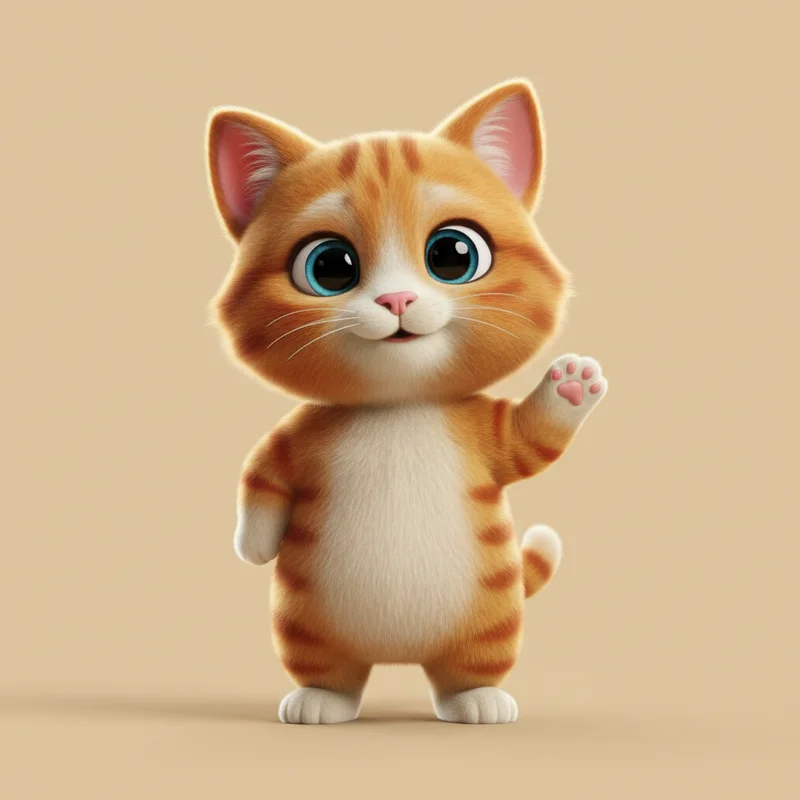
Domestic feline companion known for independence, agility, and internet fame. Masters of napping and keyboard interruption.

VS
Email

Email

Digital correspondence method and primary source of workplace anxiety.

Battle Analysis

Longevity cat Wins
70%
30%
Cat Email

Cat

The domestic cat demonstrates a lifespan of 12 to 18 years under typical indoor conditions, with some individuals exceeding two decades. This longevity permits the development of genuine relationships, accumulated shared experiences, and the formation of mutual understanding between cat and human. The cat's extended presence in one's life allows for personality appreciation that deepens over time.

Cats also maintain their essential nature throughout their lifespan. An elderly cat remains recognisably feline, with the same species-typical behaviours that characterised its youth, merely executed at reduced velocity.

Email

Individual emails possess effectively zero longevity as relevant entities. The typical email remains pertinent for hours to days before obsolescence renders it archaeological. The email system itself has demonstrated reasonable longevity, operating since 1971, but the messages it conveys are ephemeral by design. No email has ever been mourned upon its deletion.

This transience creates a peculiar dynamic wherein enormous cognitive resources are expended upon communications that will matter to no one within the fortnight. The email demanding immediate response today will, in all probability, be entirely forgotten by next quarter.

VERDICT

Cats provide 12-18 years of continuous relationship; emails become irrelevant within days
Reliability email Wins
30%
70%
Cat Email

Cat

The domestic cat operates on a reliability model best described as selectively consistent. It will reliably appear at feeding times, demonstrating internal chronometry accurate to within minutes. It will reliably shed fur across dark fabrics. It will reliably ignore commands whilst reliably responding to refrigerator sounds. However, the cat's reliability in providing desired outputs—affection, companionship, pest elimination—remains fundamentally unpredictable. One cannot schedule a cat's purring session with the confidence one might schedule a dental appointment.

The cat's reliability, such as it exists, emerges from feline priorities rather than human requirements. It is reliable in the way that weather is reliable: patterns exist, but guarantees do not.

Email

Email demonstrates near-perfect mechanical reliability. Messages sent arrive at their destinations with success rates exceeding 99.9% under normal network conditions. The system operates continuously, requires no feeding, and maintains functionality regardless of the sender's emotional state or sleep schedule. Email servers achieve uptimes that would be considered miraculous in biological systems.

However, this reliability extends only to delivery, not to usefulness. Email reliably delivers messages of wildly variable importance, from critical business communications to unsolicited offers for pharmaceutical products. The system's inability to distinguish between the urgent and the irrelevant represents a significant reliability limitation in practical terms.

VERDICT

Email achieves mechanical reliability rates impossible for biological entities, delivering messages with 99.9% consistency
Emotional impact cat Wins
70%
30%
Cat Email

Cat

The emotional impact of the domestic cat upon its human cohabitant has been extensively documented in peer-reviewed literature. Physical contact with cats triggers oxytocin release, the same neurochemical associated with maternal bonding and romantic attachment. The cat's purr, operating at frequencies between 25 and 150 hertz, has been associated with measurable reductions in human cortisol levels and blood pressure. Studies indicate that cat ownership correlates with reduced risk of cardiovascular events, though causation remains debated.

Beyond physiological effects, cats provide what behavioural scientists term companionship presence—the simple emotional benefit of another living entity sharing one's space. This presence persists even when the cat is ignoring its human, which is to say, most of the time.

Email

Email's emotional impact upon humans trends predominantly negative. Research indicates that the average office worker experiences measurable stress responses when email notification sounds occur. The phenomenon of 'inbox anxiety'—distress generated by accumulated unread messages—has been documented across multiple studies. Email creates emotional loops: the relief of clearing one's inbox proves temporary, as new messages arrive within minutes to restore the stress state.

Positive emotional impact from email remains possible but statistically uncommon. For every message bearing genuinely good news, dozens arrive bearing meeting requests, policy updates, and 'reply all' threads that have exceeded their useful lifespan by approximately forty-seven messages.

VERDICT

Cats generate measurable oxytocin and cortisol reduction; email generates measurable stress and anxiety
Productivity impact cat Wins
70%
30%
Cat Email

Cat

The cat's impact upon human productivity presents a paradoxical profile. On one hand, cats actively interfere with work through keyboard occupation, screen obstruction, and the emission of demands precisely timed to coincide with important video calls. Studies estimate that cat owners lose an average of thirty minutes daily to feline-related interruptions.

On the other hand, the stress reduction provided by feline presence may enhance overall cognitive function. The mandatory micro-breaks created by cat attention demands may, counterintuitively, improve focus upon return to work. The productivity impact, net of all factors, remains difficult to quantify with precision.

Email

Email's productivity impact has been extensively measured and the findings are uniformly concerning. Research indicates that the average worker checks email every six minutes, with each interruption requiring approximately twenty-three minutes to fully recover focus. Email consumes an estimated 28% of the average knowledge worker's week—over eleven hours—much of which contributes minimally to actual work output.

The productivity cost of email extends beyond time spent reading and responding. The cognitive load of maintaining inbox awareness, managing unread counts, and anticipating incoming messages creates a persistent background drain on mental resources that impairs deep work capacity.

VERDICT

Cats occasionally interrupt; email creates a persistent cognitive drain consuming 28% of working hours
Maintenance requirements cat Wins
70%
30%
Cat Email

Cat

Cat maintenance demands represent a non-trivial operational commitment. Daily requirements include food provision (twice), water freshening, and litter box attention. Weekly requirements expand to include fur removal from furniture, scratching post inspection, and toy rotation. Annual requirements encompass veterinary visits, vaccination schedules, and flea prevention protocols. The average domestic cat generates approximately fifty kilograms of waste annually, all of which requires human management.

Furthermore, cats require environmental enrichment, social interaction, and grooming assistance. The maintenance load, whilst substantial, remains predictable and schedulable within reasonable parameters.

Email

Email maintenance operates on a continuous, open-ended model that resists scheduling entirely. The average professional receives 121 emails daily, each demanding at minimum a decision: read, file, respond, delete, or ignore. This maintenance load arrives regardless of weekends, holidays, or personal circumstances. Email never reaches a 'maintained' state; new messages ensure the inbox returns to demanding attention within hours, sometimes minutes, of clearing.

Unlike cat maintenance, which can be delegated to boarding facilities or helpful neighbours, email maintenance proves stubbornly personal. One cannot hire someone to read one's emails without significant privacy and security implications.

VERDICT

Cat maintenance is substantial but schedulable; email maintenance is infinite and continuous
👑

The Winner Is

Cat

55 - 45

This investigation reveals a competition between fundamentally different attention-demanding entities. Email claims victory only in reliability—its mechanical consistency in delivering messages exceeds anything a biological system could achieve. In every dimension concerning human wellbeing, however, the cat demonstrates clear superiority.

The cat prevails in emotional impact, maintenance requirements, productivity impact, and longevity. Whilst both entities demand attention with relentless persistence, they differ crucially in what they provide in return. The cat offers stress reduction, companionship, and a relationship that deepens over years. Email offers... more email.

By a margin of 55 to 45, the cat emerges as the superior attention-demanding entity. This verdict acknowledges that whilst email remains a necessary feature of modern existence, 'necessary' and 'valuable' are not synonyms. The cat demands your attention because it wants your presence. Email demands your attention because someone else wants your response. The distinction matters.

Cat
55%
Email
45%

Share this battle

More Comparisons