
Cat
The domestic cat demonstrates adaptability of almost unsettling scope. Felis catus thrives in environments ranging from Siberian farmsteads to Singapore high-rises, from Egyptian temples to Antarctic research stations. The species has colonised every continent except Antarctica proper, though individual specimens have certainly visited.
This adaptability extends beyond geography. Cats adjust their behaviour to human schedules, learn household routines with precision, and modify their vocalisations to communicate more effectively with their human cohabitants. Research indicates that adult cats developed their distinctive meow specifically for human interaction, a sound rarely used in cat-to-cat communication.
The metabolic flexibility proves equally impressive. Cats survive on premium grain-free kibble and on alley scraps with equal facility, adjusting caloric intake and activity levels to match available resources. This plasticity explains their global proliferation.
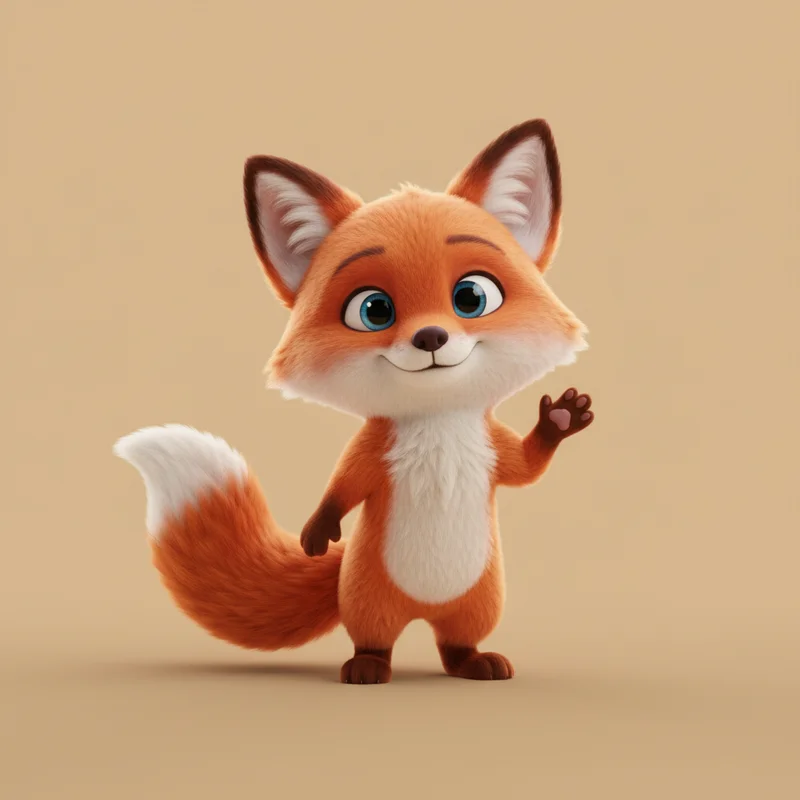
Fox
The red fox has achieved something extraordinary: it has followed humanity into cities without surrendering its essential wildness. Urban fox populations now exceed rural densities in many British cities, with an estimated 33,000 foxes residing in urban areas across the United Kingdom alone.
This adaptation required significant behavioural modification. Urban foxes have shifted their activity patterns, developed tolerance for human proximity, and expanded their dietary repertoire to include discarded takeaway containers, garden fruits, and the occasional unattended shoe. They navigate road networks, exploit gaps in fencing, and establish territories in gardens, cemeteries, and railway embankments.
However, the fox cannot fully domesticate. It remains fundamentally wild, unable to modify its behaviour sufficiently for indoor cohabitation. This limitation, whilst preserving its dignity, restricts its adaptive options compared to its fully domesticated rival.