Topic Battle

Where Everything Fights Everything

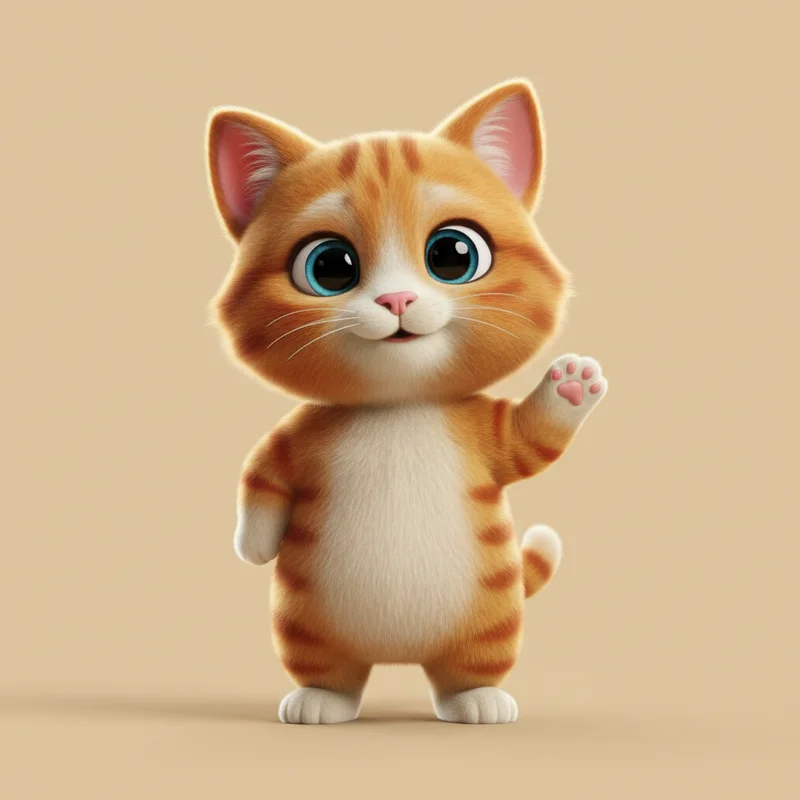
Cat

Cat

Domestic feline companion known for independence, agility, and internet fame. Masters of napping and keyboard interruption.

VS
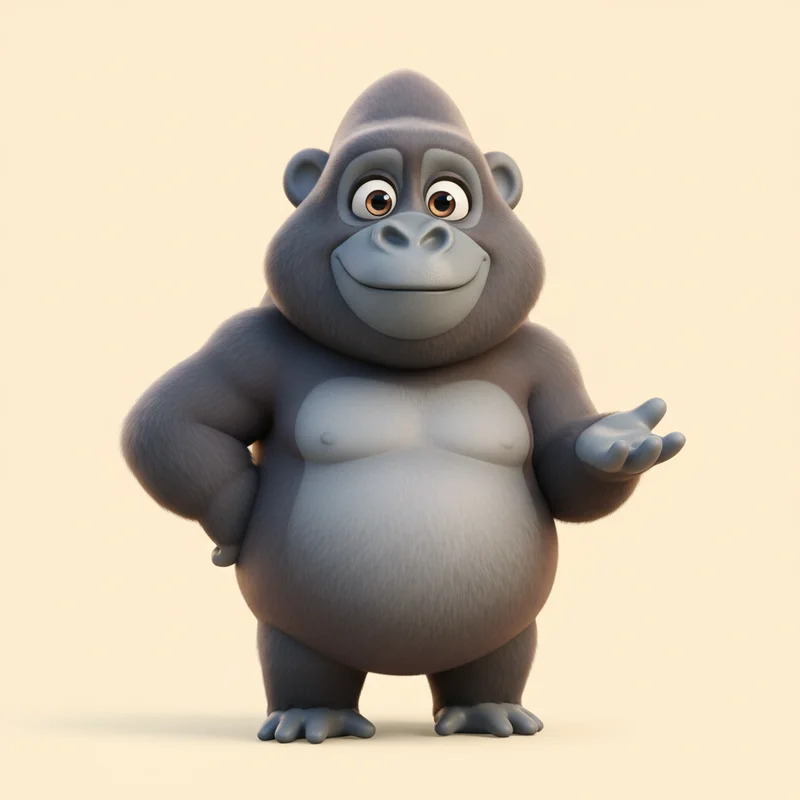
Gorilla

Gorilla

Largest living primate sharing 98% DNA with humans, known for chest-beating and gentle family bonds.

Battle Analysis

Adaptability cat Wins
70%
30%
Cat Gorilla

Cat

The domestic cat has demonstrated extraordinary adaptive capacity across virtually every terrestrial environment humans have colonised. From Norwegian fishing villages to Australian outback settlements, from Singaporean high-rises to Alaskan homesteads, cats have established thriving populations. This adaptability extends to diet—cats consume rodents, birds, fish, insects, and whatever falls from human dinner tables with equal enthusiasm. The cat's thermoregulatory abilities accommodate temperatures from below freezing to above forty degrees Celsius. As an invasive species, the cat ranks among the most successful in recorded history.

Gorilla

The gorilla, by contrast, occupies a remarkably narrow ecological niche. Restricted to the montane and lowland forests of central Africa, gorillas require specific humidity levels, temperature ranges, and vegetation types to survive. Their diet of leaves, stems, and fruit cannot be readily replicated outside their native habitat. Gorillas in zoological settings require elaborate climate control and carefully managed nutrition to prevent health complications. The species has demonstrated essentially zero capacity to colonise new environments without human intervention and constant maintenance.

VERDICT

Cats thrive on every continent except Antarctica; gorillas survive only in specific African forests
Accessibility cat Wins
70%
30%
Cat Gorilla

Cat

The domestic cat represents perhaps the most accessible large predator in human experience. One may acquire a cat through formal adoption, casual neighbourhood wandering, or simply leaving a door open and awaiting the inevitable feline colonisation. Cats require no special permits, occupy minimal space, and integrate into human domestic life with remarkable ease. The global population of 600 million domestic cats ensures availability across virtually all markets. A cat may be encountered daily, stroked at will (subject to the cat's mood), and maintained at costs ranging from minimal to extravagant depending on owner preferences.

Gorilla

Gorilla accessibility presents a starkly different picture. Personal gorilla ownership is illegal in most jurisdictions and profoundly inadvisable in all of them. Observing gorillas in the wild requires travel to central Africa, procurement of expensive permits, and acceptance of the likelihood that the gorillas may decline to present themselves. Zoological observation provides a more reliable alternative but offers limited interaction opportunity. The species' endangered status means most humans will never encounter a gorilla in any context. Gorilla accessibility effectively reduces to 'theoretical only' for the vast majority of the global population.

VERDICT

Cats live in human homes; gorillas are encountered only through expensive travel or zoo visits
Cultural impact cat Wins
70%
30%
Cat Gorilla

Cat

The cultural footprint of Felis catus spans millennia and continents with remarkable consistency. Ancient Egyptians elevated cats to divine status, mummifying them by the millions. Medieval Europeans associated cats with witchcraft, demonstrating that even negative cultural impact remains cultural impact. The modern internet era has witnessed cats achieve unprecedented cultural dominance—cat videos generate more annual views than the combined populations of most nations. The 'Grumpy Cat' phenomenon alone generated over one million US dollars in merchandise revenue. Cats have infiltrated human culture so thoroughly that their imagery requires no explanation in any connected society.

Gorilla

Gorillas occupy a different but equally significant cultural position. The species serves as humanity's mirror in the animal kingdom, prompting uncomfortable questions about the boundaries between human and animal cognition. Koko the gorilla, who reportedly mastered over 1,000 signs in modified American Sign Language, challenged fundamental assumptions about language and consciousness. The 'Harambe' phenomenon of 2016 demonstrated gorillas' capacity to generate spontaneous internet virality. However, gorilla cultural presence remains more episodic than continuous, lacking the pervasive daily presence cats have achieved.

VERDICT

Cats maintain continuous cultural presence; gorillas achieve periodic viral moments
Combat effectiveness gorilla Wins
30%
70%
Cat Gorilla

Cat

The domestic cat approaches combat with the confidence of an entity that believes itself to be approximately fifty times its actual size. Armed with retractable claws capable of inflicting genuine damage and reflexes measured in milliseconds, the cat represents a competent predator at its weight class. A motivated cat can achieve running speeds of 48 kilometres per hour and execute vertical leaps exceeding two metres. However, the cat's combat effectiveness diminishes rapidly against opponents substantially larger than the average mouse. Against a gorilla, the cat's primary tactical option would be 'strategic withdrawal at maximum velocity.'

Gorilla

The silverback gorilla possesses what combat analysts would term 'overwhelming force multiplication.' With ten times the upper body strength of an adult human and hands capable of generating pressures sufficient to bend steel bars, the gorilla approaches physical confrontation from a position of considerable advantage. A gorilla's bite force measures approximately 1,300 pounds per square inch, sufficient to crush most materials found in nature. In direct combat scenarios, the gorilla's primary limitation is not capability but motivation—gorillas are notably peaceful unless provoked, preferring intimidation displays to actual violence.

VERDICT

The gorilla's strength exceeds the cat's by approximately two orders of magnitude
Intelligence application gorilla Wins
30%
70%
Cat Gorilla

Cat

Cat intelligence, whilst genuine, manifests primarily through manipulative social behaviour. Studies indicate cats have developed specific vocalisations used exclusively to communicate with humans, including the 'solicitation purr' that triggers nurturing responses in human listeners. Cats demonstrate sophisticated spatial memory, territorial mapping, and hunting strategy development. However, cats show notably poor performance on cooperative problem-solving tasks—they can be trained but display limited enthusiasm for the process. Their intelligence serves primarily individual survival and comfort maximisation rather than complex social coordination.

Gorilla

Gorilla intelligence operates at an altogether different level of sophistication. Great apes demonstrate self-recognition, tool manufacture and use, emotional intelligence, and what appears to be theory of mind. Gorillas in research settings have learned to communicate through sign language, express abstract concepts, and engage in apparent humour. Wild gorillas fashion tools from vegetation, teach skills to offspring, and maintain complex social hierarchies requiring diplomatic navigation. The gorilla brain, whilst smaller than the human brain, operates with sufficient complexity to prompt ongoing ethical debates about their legal status as persons.

VERDICT

Gorillas demonstrate near-human cognitive capabilities including language and self-awareness
👑

The Winner Is

Cat

52 - 48

This investigation yields results that confound initial expectations based on raw physical capability. The gorilla, despite possessing overwhelming advantages in strength and intelligence, claims only two of five competitive categories. The cat, armed with nothing more than retractable claws and an apparently limitless capacity for human manipulation, captures the remaining three.

The gorilla's victories in combat effectiveness and intelligence application reflect genuine cognitive and physical superiority—no reasonable assessment could conclude otherwise. Yet these advantages remain largely theoretical for most humans, who will never witness gorilla combat or engage in signed conversation with a silverback.

The cat's triumphs in adaptability, cultural impact, and accessibility reflect practical dominance in the metrics that actually affect daily human life. By a margin of 52 to 48, the cat prevails—a testament to the proposition that availability and cultural penetration outweigh raw capability when measuring animal excellence.

Cat
52%
Gorilla
48%

Share this battle

More Comparisons