Topic Battle

Where Everything Fights Everything

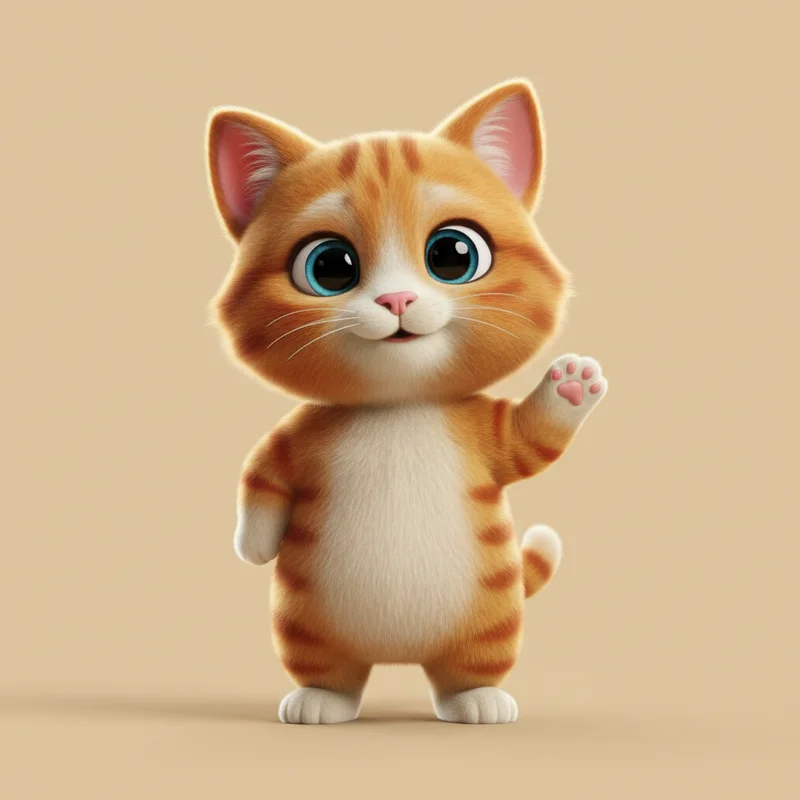
Cat

Cat

Domestic feline companion known for independence, agility, and internet fame. Masters of napping and keyboard interruption.

VS
Happiness

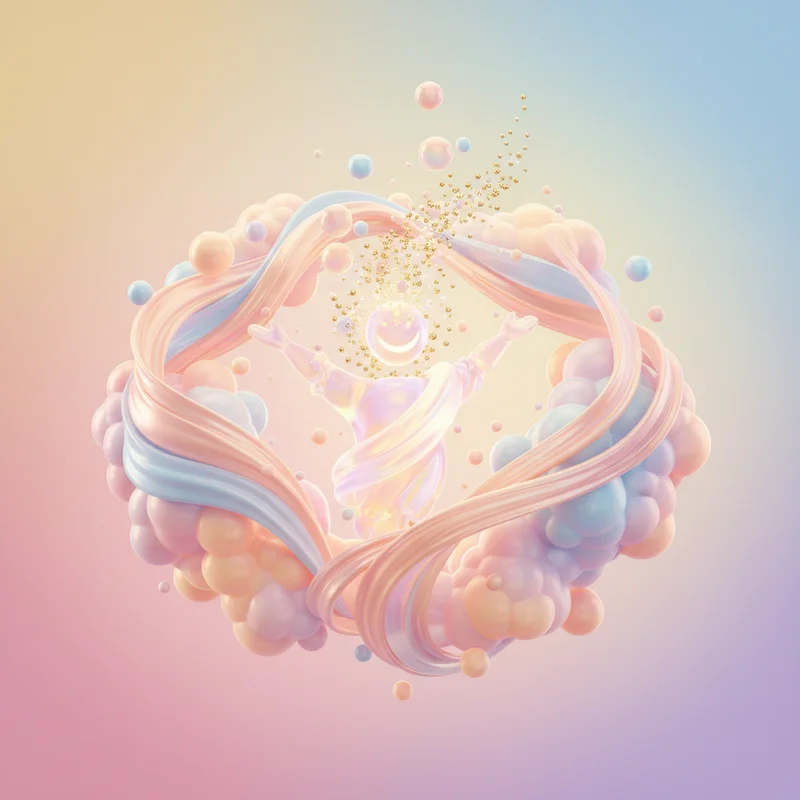
Happiness

Emotional state everyone pursues differently.

Battle Analysis

Accessibility cat Wins
70%
30%
Cat Happiness

Cat

The domestic cat presents itself as a remarkably accessible entity. One may acquire a cat through adoption centres, breeders, or the time-honoured method of having a cat simply arrive and refuse to leave. Once obtained, the cat remains consistently present—often excessively so during meal preparation or bathroom visits. The cat does not require philosophical training to perceive, nor does it demand emotional labour to acknowledge. It sits on your laptop, sheds on your jumper, and exists with undeniable physicality. Access to cat requires merely space, resources, and tolerance for furniture damage.

Happiness

Happiness, by contrast, proves maddeningly difficult to access. Despite humanity's collective obsession with obtaining it, happiness arrives on its own schedule, often departing the moment one becomes consciously aware of its presence. The pursuit of happiness has spawned entire industries—self-help books, meditation applications, pharmaceutical interventions—yet remains stubbornly inconsistent in its availability. One cannot simply adopt happiness from a shelter or have it delivered by courier. It must be cultivated, often through activities that seem entirely unrelated to joy itself, such as exercise or adequate sleep.

VERDICT

Cats can be reliably obtained and remain present; happiness resists direct acquisition
Measurability cat Wins
70%
30%
Cat Happiness

Cat

The cat lends itself to straightforward measurement. One may weigh a cat (typically 4 to 5 kilograms for domestic varieties), measure its length, count its whiskers, and quantify its daily food consumption with precision. Veterinary science provides extensive metrics for feline health assessment. One always knows exactly how much cat one possesses, even if that quantity occasionally feels excessive at four in the morning when the cat demands feeding. The cat's presence or absence is binary and indisputable.

Happiness

Happiness measurement remains a vexed question in psychological science. Researchers employ subjective well-being scales, life satisfaction surveys, and experience sampling methods, yet all rely upon self-report data of questionable reliability. Humans prove notoriously poor at accurately assessing their own emotional states. The Oxford Happiness Questionnaire and similar instruments attempt standardisation, but happiness resists quantification in ways that physical entities do not. One may believe oneself happy yet demonstrate behaviours suggesting otherwise, or vice versa.

VERDICT

Cats submit to objective measurement; happiness remains subjectively assessed
Sustainability cat Wins
70%
30%
Cat Happiness

Cat

A well-maintained domestic cat typically provides 12 to 18 years of continuous service. With appropriate nutrition, veterinary care, and environmental enrichment, feline companionship proves remarkably sustainable. The cat does not suddenly evaporate upon receipt of disappointing news, nor does it diminish in response to minor inconveniences. Its presence persists through human emotional fluctuations, offering consistent availability regardless of external circumstances. The cat simply is, whether one is presently in the mood for cat or not.

Happiness

Happiness demonstrates concerning volatility as a sustainable resource. Research into hedonic adaptation reveals that humans rapidly return to baseline happiness levels following both positive and negative life events. Lottery winners report pre-lottery happiness levels within months; disaster survivors similarly normalise. Happiness cannot be stockpiled, preserved, or reliably maintained. It requires continuous generation through activities, relationships, and circumstances that remain forever subject to disruption. The infrastructure of happiness requires constant maintenance.

VERDICT

Cats provide decades of consistent presence; happiness requires perpetual regeneration
Transformative potential happiness Wins
30%
70%
Cat Happiness

Cat

The cat's transformative capacity, whilst genuine, operates within defined parameters. Cat ownership has been associated with reduced cardiovascular risk, decreased stress hormones, and improved mental health outcomes. The responsibility of pet care provides structure and purpose. Yet the cat transforms primarily through presence rather than active intervention. It will not assist with career advancement, resolve interpersonal conflicts, or provide strategic guidance for major life decisions. The cat transforms one into a person who feeds a cat, and this transformation, whilst meaningful, has natural limits.

Happiness

Happiness, when achieved, demonstrates remarkable transformative power. Research consistently links happiness to improved health outcomes, enhanced creativity, stronger social relationships, and increased professional success. Happy individuals demonstrate greater resilience, superior problem-solving capabilities, and extended longevity. Happiness transforms not merely circumstances but perception itself—the happy individual literally sees and processes the world differently. The broaden-and-build theory suggests positive emotions expand cognitive and behavioural repertoires, creating upward spirals of well-being.

VERDICT

Happiness transforms perception and capability; cats transform furniture into scratching posts
Philosophical significance happiness Wins
30%
70%
Cat Happiness

Cat

The cat occupies a curious position in philosophical discourse. Schrodinger famously employed a hypothetical cat to illustrate quantum superposition. Ancient Egyptians elevated cats to divine status. The cat's apparent contentment—its ability to find satisfaction in sunbeams, cardboard boxes, and mild inconvenience to humans—offers an implicit philosophical lesson about presence and simplicity. Yet the cat itself philosophises not at all; it merely exists, unburdened by existential questioning. The cat has achieved what philosophers spend lifetimes pursuing: complete absorption in the present moment.

Happiness

Happiness constitutes one of philosophy's central preoccupations. Aristotle's concept of eudaimonia, Bentham's utilitarian calculus, Epicurean pleasure-seeking, and Buddhist conceptions of lasting contentment all grapple with happiness as the ultimate human aim. The pursuit of happiness is enshrined in founding national documents. Every ethical framework must ultimately account for human flourishing. Happiness is not merely a philosophical topic but arguably the philosophical topic—the end toward which all other goods are means.

VERDICT

Happiness anchors millennia of philosophical inquiry; cats merely appear in thought experiments
👑

The Winner Is

Cat

52 - 48

This investigation yields a result of striking closeness, reflecting the genuine interdependence between these two phenomena. The cat claims victory in accessibility, measurability, and sustainability—the practical dimensions of contentment provision. One can acquire a cat, verify its presence, and rely upon its continued existence in ways that happiness simply does not permit.

Yet happiness prevails in transformative potential and philosophical significance—the dimensions that speak to deeper human aspirations. Happiness changes who we are and how we perceive reality; it represents the ultimate aim of human striving across cultures and centuries.

By the narrowest possible margin, at 52 to 48, the cat emerges victorious. This verdict acknowledges a fundamental insight: whilst happiness may be the destination, the cat represents a remarkably reliable vehicle for approaching it. The purring creature on one's lap does not guarantee happiness, but it demonstrably increases the probability of its occurrence.

Cat
52%
Happiness
48%

Share this battle

More Comparisons