Cat
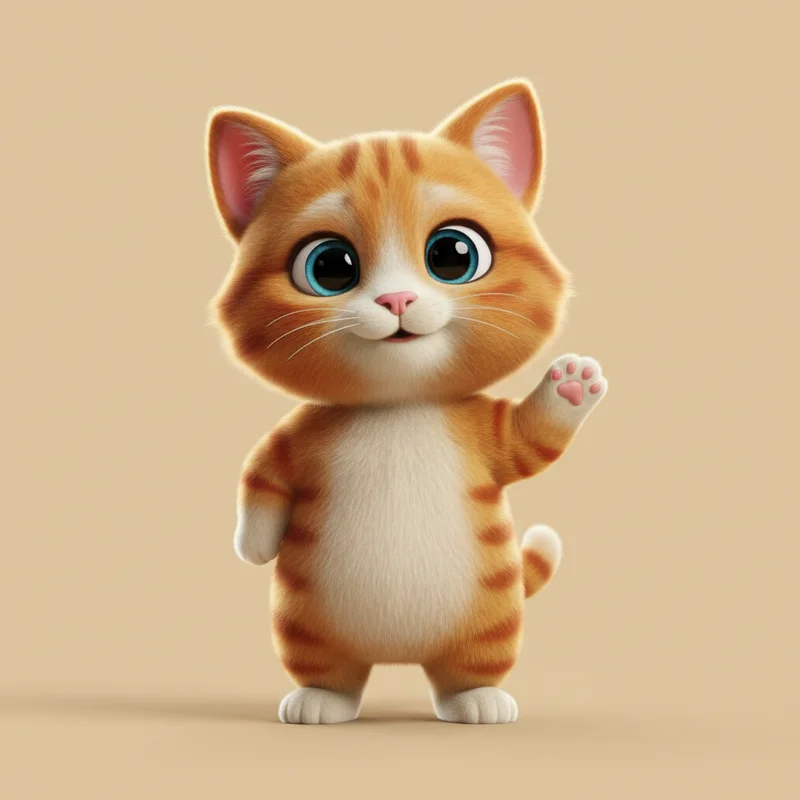
The domestic cat achieves a maximum sprint velocity of approximately 30 miles per hour in short bursts, a capability rarely deployed outside hunting scenarios and the occasional inexplicable midnight corridor sprint. This speed derives from flexible spines, powerful hindquarters, and fast-twitch muscle fibres evolved for ambush predation.
However, cats demonstrate profound reluctance to utilise this capability. The average household cat achieves maximum velocity perhaps twice weekly, preferring instead to conserve energy through extended periods of absolute immobility. When motion does occur, it typically manifests as a leisurely amble between sleeping locations, punctuated by brief acceleration toward food bowls.
Hummingbird
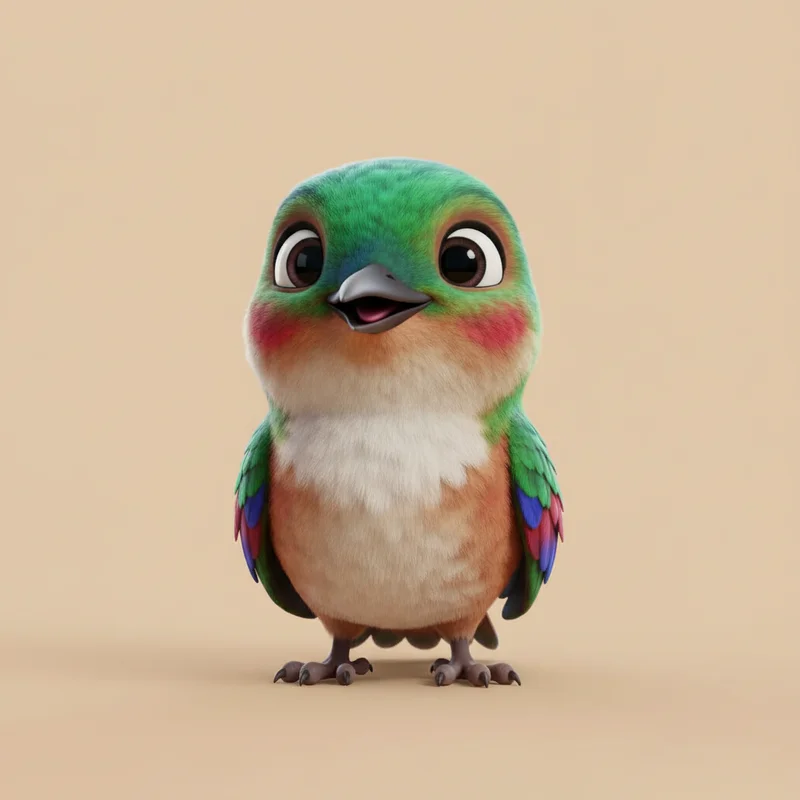
Hummingbirds operate in an entirely different velocity paradigm. In level flight, they achieve speeds of 30 to 45 miles per hour, comparable to cats at maximum effort but sustainable for extended periods. During courtship dives, certain species exceed 60 miles per hour, generating gravitational forces that would render most birds unconscious.
More remarkably, hummingbirds achieve this whilst executing manoeuvres impossible for other avians. They fly backwards, hover in stationary positions, and rotate in place, capabilities requiring wing beats of 50 to 80 times per second. This represents not merely speed but aerial versatility unmatched in the animal kingdom.