
Topic Battle

Where Everything Fights Everything

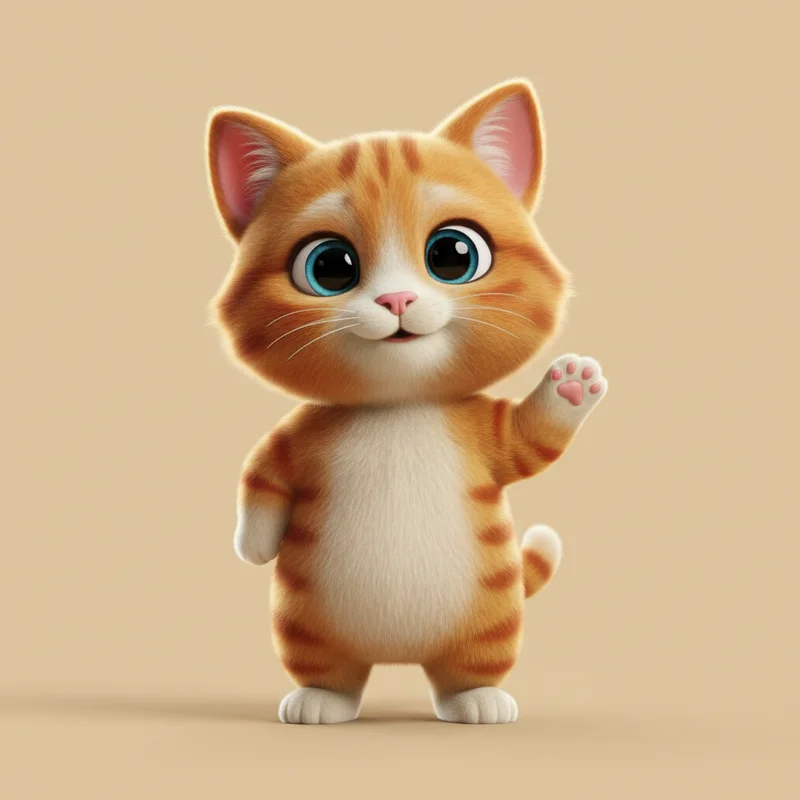
Cat

Cat

Domestic feline companion known for independence, agility, and internet fame. Masters of napping and keyboard interruption.

VS
Influencer

Influencer

Social media personality monetizing attention.

Battle Analysis

Authenticity Cat Wins
70%
30%
Cat Influencer

Cat

The domestic cat operates with complete authenticity at all times, primarily because cats lack the cognitive architecture required for deception. When a cat appears aloof, it genuinely does not care about your presence. When it seeks attention, the desire is sincere. This inability to perform falseness creates a form of integrity that audiences find increasingly rare.

Feline content requires no staging, no retakes, no careful caption crafting. A cat falling off a bookshelf delivers identical entertainment value whether filmed intentionally or accidentally captured in the background of a video call. This authenticity proves impossible to manufacture, representing a competitive advantage no human creator can replicate regardless of budget or talent.

Influencer

Influencer authenticity exists within carefully constructed parameters. The 'authenticity' that drives engagement is itself a performance, a curated selection of genuine moments chosen specifically for their ability to generate parasocial connection. Behind-the-scenes content requires the same production value as polished content, simply with deliberate imperfections added during post-production.

This is not criticism but professional observation. Influencers who achieve sustained success understand that audiences seek the sensation of authenticity rather than authenticity itself. The skilled influencer manufactures this sensation with the precision of a pharmaceutical company synthesising serotonin analogues. The process works, but it demands constant labour to maintain the illusion of effortlessness.

VERDICT

Genuine indifference to audience perception creates authenticity that performance-based content cannot replicate.
Audience loyalty Cat Wins
70%
30%
Cat Influencer

Cat

Cat audiences demonstrate species-level loyalty that transcends individual creators. Viewers who enjoy one cat video will reliably engage with content featuring entirely different cats. This transferable affection creates an ecosystem where any cat can benefit from the audience development performed by all cats throughout internet history. The collective feline brand has achieved market penetration impossible for any individual creator.

Individual cat celebrities do emerge and command devoted followings, but their audiences integrate seamlessly into the broader cat-content ecosystem upon retirement or death. Grumpy Cat's passing created mourning but did not diminish overall cat content consumption. The category proves more durable than any single participant.

Influencer

Influencer audiences form parasocial attachments to specific individuals, creating intense but fragile loyalty. Followers invest emotionally in particular creators, consuming their content with devotion that approaches genuine relationship. This intensity generates higher engagement metrics and enables premium monetisation through exclusive content and merchandise.

However, this person-specific loyalty carries significant risk. A single controversy can evaporate years of audience development overnight. Changing content direction alienates established followers whilst failing to attract replacements. The loyalty, whilst intense, proves conditional in ways that species-level cat appreciation does not. Audiences forgive cats for almost anything; they forgive influencers for almost nothing.

VERDICT

Species-level brand loyalty proves more durable than individual creator attachment, which depends on continuous performance maintenance.
Content consistency Cat Wins
70%
30%
Cat Influencer

Cat

Cat content maintains remarkable consistency across decades. A cat video from 2008 generates engagement comparable to one filmed yesterday. The formula remains unchanged: small mammal does unexpected thing, audience experiences dopamine release, video gets shared. No pivot to new platforms required. No trend-chasing necessary. No existential rebrand demanded by shifting audience demographics.

This consistency extends to the cats themselves. Unlike human creators who must navigate ageing, changing interests, and platform obsolescence, cats provide essentially identical content throughout their 15-to-20-year operational lifespan. A kitten video and a senior cat video trigger the same neurological responses in viewers, ensuring stable returns regardless of the creator's age.

Influencer

Influencers face constant pressure to evolve their content whilst maintaining recognisability. Platform algorithm changes demand immediate adaptation. Audience demographics shift as original followers age whilst recruitment of younger viewers requires different approaches. What worked in 2019 actively damages engagement in 2025.

The average influencer career spans three to five years before audience fatigue, platform migration, or personal burnout forces significant reinvention or retirement. This brief window contrasts sharply with traditional career trajectories, creating a peculiar economy where relevance depreciates faster than sports cars. Those who survive beyond this threshold typically do so through diversification into businesses that no longer depend on personal content creation.

VERDICT

Content that remains engaging for decades outperforms content requiring constant reinvention to maintain relevance.
Mental health impact Cat Wins
70%
30%
Cat Influencer

Cat

Exposure to cat content demonstrates measurably positive mental health effects. Research indicates that watching cat videos reduces cortisol levels and increases production of immunoglobulin A. The mechanism appears connected to humans' evolved response to observing small predators at rest, triggering parasympathetic nervous system activation.

Cat ownership itself correlates with reduced cardiovascular disease risk and lower rates of depression, though causation remains debated. What proves certain is that cats provide these benefits without creating comparison anxiety, lifestyle inadequacy feelings, or purchase-driven dissatisfaction. They simply exist, and that existence appears therapeutic.

Influencer

Influencer content produces well-documented negative mental health outcomes in substantial portions of audiences. Social comparison triggered by curated lifestyle content correlates with increased rates of depression, anxiety, and body dysmorphia, particularly among viewers under 25. The aspiration that drives engagement simultaneously drives dissatisfaction.

Influencers themselves report concerning mental health statistics. Studies indicate that 87% of content creators experience burnout, with many developing anxiety disorders related to algorithm dependency and audience expectations. The system extracts psychological cost from both creators and consumers, distributing benefit primarily to platform shareholders.

VERDICT

Content that reduces viewer stress without inducing comparison anxiety provides superior psychological value.
Monetisation efficiency Influencer Wins
30%
70%
Cat Influencer

Cat

Cat monetisation operates through passive income structures that require minimal ongoing investment. A single viral video can generate advertising revenue for years. Merchandise featuring cat imagery sells without licensing fees to the actual cat. The cat itself requires no percentage of earnings and cannot renegotiate contracts or demand creative control.

However, direct monetisation proves limited. Cats cannot execute sponsored content with brand messaging. They refuse to maintain posting schedules aligned with optimal engagement windows. Their inability to respond to comments or build community through interaction caps potential revenue at levels far below what human creators achieve with equivalent follower counts.

Influencer

Influencer monetisation achieves significantly higher per-follower revenue through brand partnerships, affiliate marketing, and product launches. A mid-tier influencer with 500,000 followers can generate annual income exceeding that of senior executives in traditional industries. The ability to speak directly to camera, endorse products, and adapt messaging to brand requirements creates value cats cannot provide.

This revenue comes at substantial cost. Influencers typically work 60 to 80 hours weekly when content creation, community management, brand negotiation, and administrative tasks combine. The effective hourly rate, when properly calculated, often falls below minimum wage during growth phases. Cats, by contrast, achieve their modest revenue with zero labour investment beyond existing.

VERDICT

Human creators capable of brand integration and direct audience monetisation generate substantially higher revenue despite greater effort requirements.
👑

The Winner Is

Cat

62 - 38

The cat prevails through the paradox of effortless dominance. By refusing to seek attention, it commands attention more enduringly than any entity actively pursuing it. A creature that cannot comprehend its own virality has achieved what millions of humans labour daily to approach.

Influencers will continue to shape culture, commerce, and aspiration. Their role in the attention economy remains essential, however psychologically complex its effects. The best among them provide genuine value to audiences seeking connection in an atomised world. This should not be dismissed as mere vanity projection.

Yet when the algorithm shifts and the platforms migrate and the audiences fragment into ever-smaller niches, cats will remain, unchanged by any of it, providing the same dopamine release they have since the first cat video uploaded in the early internet era. Authenticity that requires no maintenance ultimately outperforms authenticity that demands constant curation, however skilled that curation becomes.

Cat
62%
Influencer
38%

Share this battle

More Comparisons