
Cat
The domestic cat achieves maximum running speeds of 30 mph in short bursts, with sustained hunting velocities of approximately 20 mph. Reflexes operate at extraordinary speeds, with reaction times measured at 20-70 milliseconds, roughly three times faster than human capability.
Neural processing enables real-time calculation of trajectory, distance, and timing for prey interception. The cat can transition from apparent sleep to full combat readiness in under 200 milliseconds. This biological processing occurs without boot sequences, loading screens, or software updates.
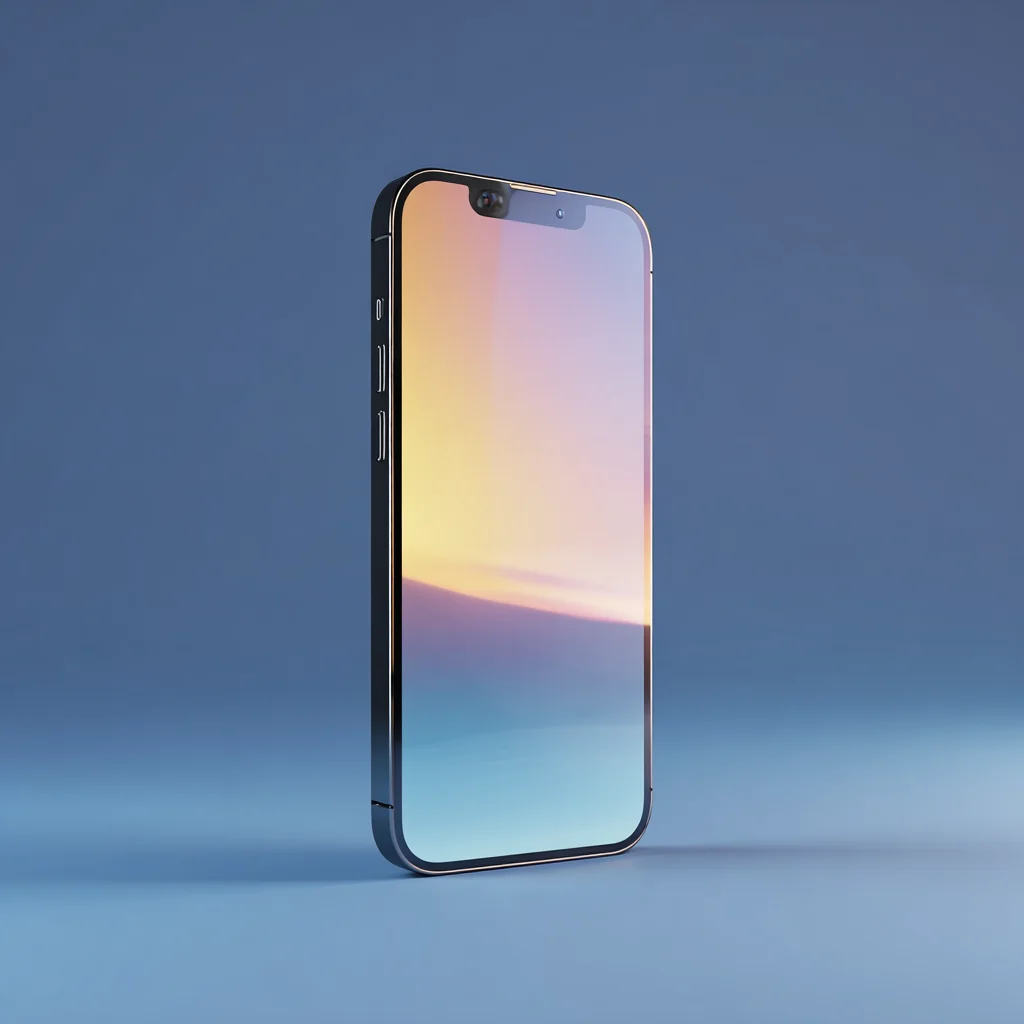
iPhone
The iPhone processes computational tasks through the A17 Pro chip, executing 17 trillion neural engine operations per second. The six-core CPU achieves clock speeds of 3.78 GHz, enabling complex calculations in nanoseconds that would require centuries of feline cognition.
Data transmission via 5G networks reaches theoretical speeds of 4.5 Gbps, enabling global information transfer in milliseconds. Application response times average under 800 milliseconds for optimized software. However, it should be noted that the iPhone cannot physically relocate itself at any speed whatsoever.
VERDICT
The speed comparison reveals fundamentally different capability domains. The iPhone achieves computational velocities beyond biological possibility, processing information at rates the cat cannot approach through neural pathways.
However, when measuring speed as physical capability, the cat demonstrates decisive advantages. The iPhone achieves precisely 0 mph under all conditions, requiring external transportation for any location change. The cat can pursue, capture, and relocate independently. For organisms requiring both mental and physical velocity, the cat offers superior integrated performance.