Cat
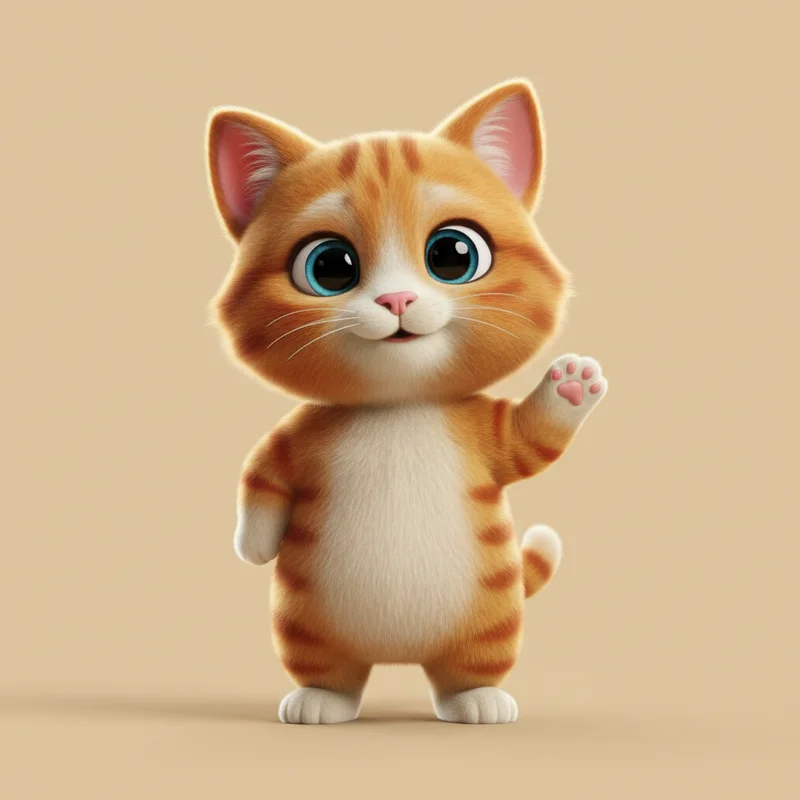
The domestic cat maintains an average lifespan of 12-18 years, with exceptional specimens occasionally exceeding 20 years of continuous household occupation. This duration permits the development of deep emotional bonds, the accumulation of shared memories, and the gradual transformation of pet ownership into a form of indentured servitude to an increasingly demanding geriatric creature.
The cat's longevity carries a significant emotional cost. The loss of a feline companion after nearly two decades of cohabitation represents a bereavement that many owners find genuinely devastating. The knife, by contrast, has never made anyone cry when it finally gave out.
Knife
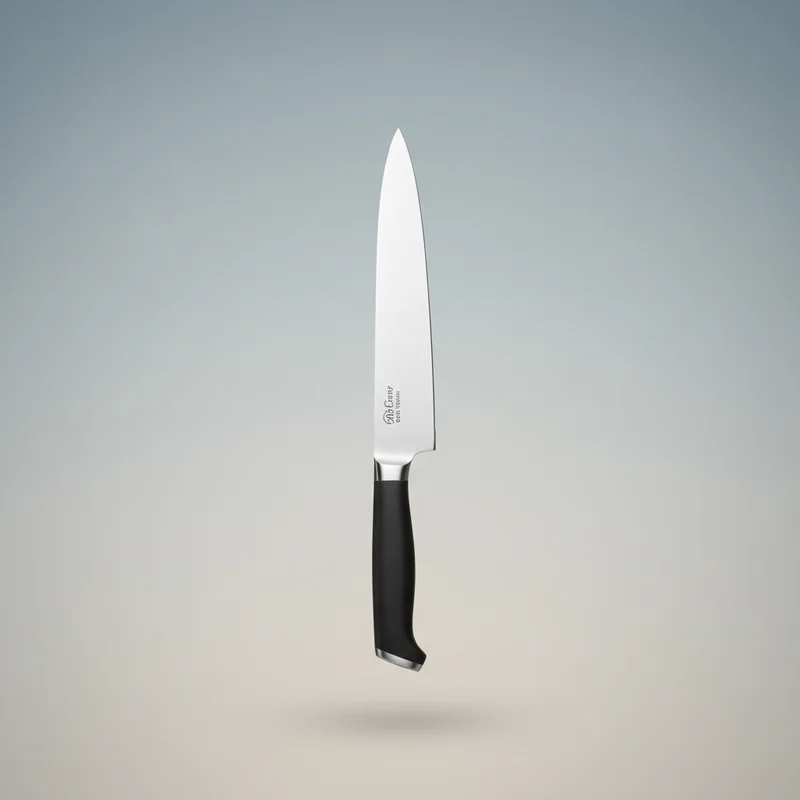
A quality knife, properly maintained, can function effectively for several human generations. Japanese blade-making traditions preserve knives passed from parent to child across centuries. The fundamental simplicity of the technology, a wedge of hardened steel, contains no components subject to biological decay or mechanical failure.
Archaeological specimens demonstrate functional edge retention after thousands of years of burial. The knife's longevity so comprehensively exceeds that of the cat that comparison borders on the absurd. However, the knife's extended lifespan generates no emotional attachment whatsoever, which may or may not be considered an advantage.