Topic Battle

Where Everything Fights Everything

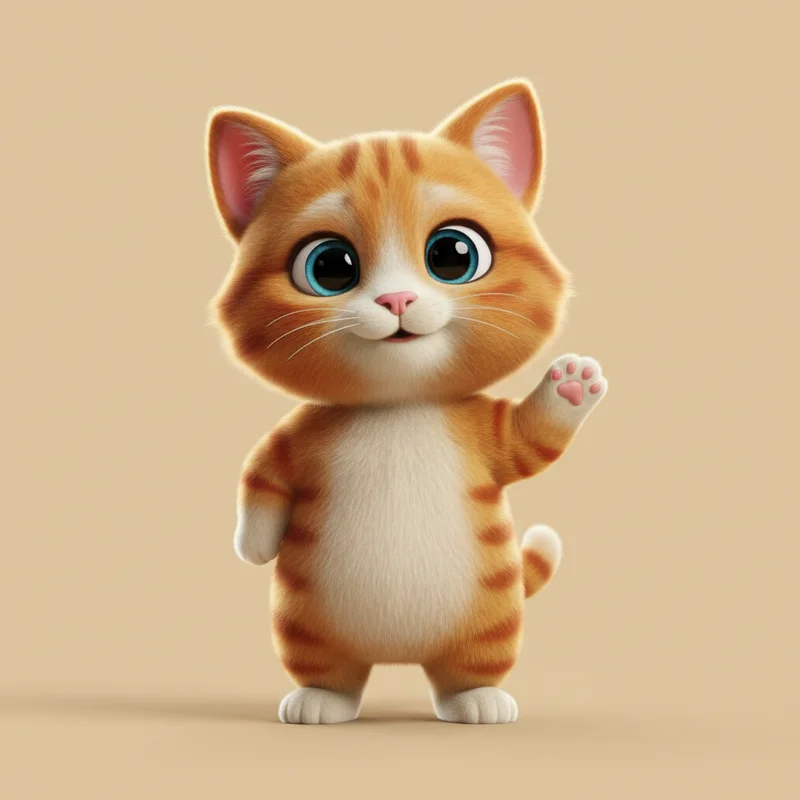
Cat

Cat

Domestic feline companion known for independence, agility, and internet fame. Masters of napping and keyboard interruption.

VS
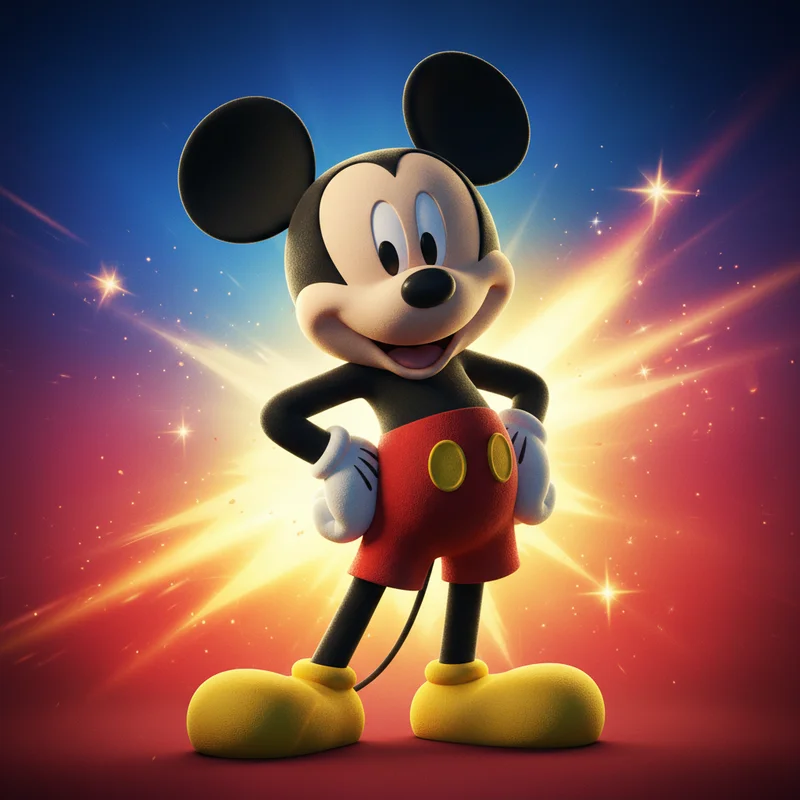
Mickey Mouse

Mickey Mouse

Disney's original mascot and corporate icon.

Battle Analysis

Longevity Mickey Mouse Wins
30%
70%
Cat Mickey Mouse

Cat

Individual domestic cats typically survive between twelve and eighteen years under optimal conditions. However, the species itself has demonstrated remarkable evolutionary persistence, with the Felidae family tree extending back some twenty-five million years. The domestic cat's genetic lineage traces through countless generations of successful predators, their fundamental design proving remarkably resistant to obsolescence despite dramatic environmental changes.

Mickey Mouse

Mickey Mouse approaches his centenary with no signs of biological degradation. Unlike organic entities, animated characters face no cellular deterioration, no age-related cognitive decline, and no mortality. Mickey has survived the Great Depression, world wars, cultural revolutions, and the transition from hand-drawn animation to computer-generated imagery. His perpetual youth represents a form of immortality that biological organisms cannot achieve.

VERDICT

Immortality through intellectual property law supersedes biological persistence in this particular metric.
Adaptability Cat Wins
70%
30%
Cat Mickey Mouse

Cat

Felis catus demonstrates extraordinary adaptive capacity across diverse environments. Feral populations thrive in urban landscapes, agricultural zones, and wilderness areas with equal facility. The species has colonised every continent except Antarctica, modifying behaviour patterns to exploit available resources with remarkable efficiency. Individual cats adapt to household routines, adjust hunting strategies based on prey availability, and navigate complex social hierarchies with apparent ease.

Mickey Mouse

Mickey Mouse has adapted his presentation across multiple media platforms and cultural eras. From black-and-white silent films to colour animation, from theatrical releases to streaming platforms, from physical merchandise to digital applications, his image has been reformulated for each technological transition. However, this adaptation occurs through corporate decision-making rather than organic response, limiting its authenticity as true adaptive behaviour.

VERDICT

Genuine biological adaptation to environmental pressures demonstrates superior flexibility to corporate rebranding exercises.
Daily utility Cat Wins
70%
30%
Cat Mickey Mouse

Cat

The practical applications of cat ownership remain substantial and measurable. Studies from peer-reviewed journals document reduced rodent populations in cat-occupied premises, decreased blood pressure readings among cat owners, and measurable improvements in psychological wellbeing. The cat provides companionship without the demanding exercise requirements of canine alternatives. Furthermore, the species requires no batteries, software updates, or licensing fees to operate effectively.

Mickey Mouse

Mickey Mouse's daily utility manifests primarily through entertainment consumption and brand association. His image decorates children's bedroom walls, provides navigational landmarks at theme parks, and serves as a corporate mascot for media consumption decisions. However, Mickey cannot physically eliminate household vermin, provide warmth during cold evenings, or offer tactile companionship. His utility remains firmly anchored in the symbolic rather than the practical realm.

VERDICT

Tangible pest control and genuine companionship outweigh entertainment value in practical daily application.
Symbolic value Mickey Mouse Wins
30%
70%
Cat Mickey Mouse

Cat

Cats carry symbolic weight across numerous cultural traditions. In ancient Egypt, they achieved divine status through association with the goddess Bastet. Japanese culture venerates them through the maneki-neko tradition. Western literature has employed feline imagery from Poe's black cat to Eliot's practical cats. The species embodies independence, mystery, and domesticated wildness in collective human imagination, serving as metaphor across countless artistic expressions.

Mickey Mouse

Mickey Mouse has transcended entertainment to become a symbol of American cultural imperialism, childhood innocence, corporate capitalism, and the American Dream itself. His image has been appropriated by artists from Andy Warhol to contemporary street art practitioners. He represents both the promise of wholesome entertainment and the critique of commercial culture. Academic disciplines have devoted considerable attention to analysing his symbolic significance.

VERDICT

Intentional symbolic construction has achieved broader interpretive significance than organic cultural accumulation.
Global recognition Mickey Mouse Wins
30%
70%
Cat Mickey Mouse

Cat

The domestic cat has achieved what few species can claim: near-universal presence across human habitation zones. From the alleyways of Istanbul to the temples of Kyoto, from the farms of Yorkshire to the apartments of Manhattan, Felis catus has established dominion. Archaeological evidence suggests cats accompanied human civilisations for millennia, their images adorning Egyptian tombs and Roman mosaics alike. The species requires no corporate marketing budget, yet maintains recognition rates that commercial entities spend billions attempting to replicate.

Mickey Mouse

Since his debut in Steamboat Willie in 1928, Mickey Mouse has achieved a penetration of global consciousness that borders on the absolute. Studies have demonstrated recognition rates exceeding ninety percent in industrialised nations. His silhouette alone, three simple circles, constitutes one of the most protected and valuable intellectual properties ever created. The Walt Disney Company has ensured his image adorns merchandise across every inhabited continent, from theme parks to wristwatches.

VERDICT

Corporate machinery has achieved what ten millennia of feline evolution could not replicate in brand consistency.
👑

The Winner Is

Cat

54 - 46
This exhaustive examination reveals a remarkably balanced contest between biological reality and cultural construction. The cat prevails through fundamental advantages in daily utility and genuine adaptive capacity, attributes that emerge from millions of years of evolutionary refinement. Mickey Mouse, however, demonstrates superior performance in global recognition, longevity through corporate immortality, and intentionally constructed symbolic value. The final determination favours the cat by the narrowest of margins. While Mickey Mouse may achieve greater brand consistency and cultural penetration, the cat exists in tangible reality, providing measurable benefits that no animated character can replicate regardless of marketing expenditure.
Cat
54%
Mickey Mouse
46%

Share this battle

More Comparisons