Topic Battle

Where Everything Fights Everything

Cat

Cat

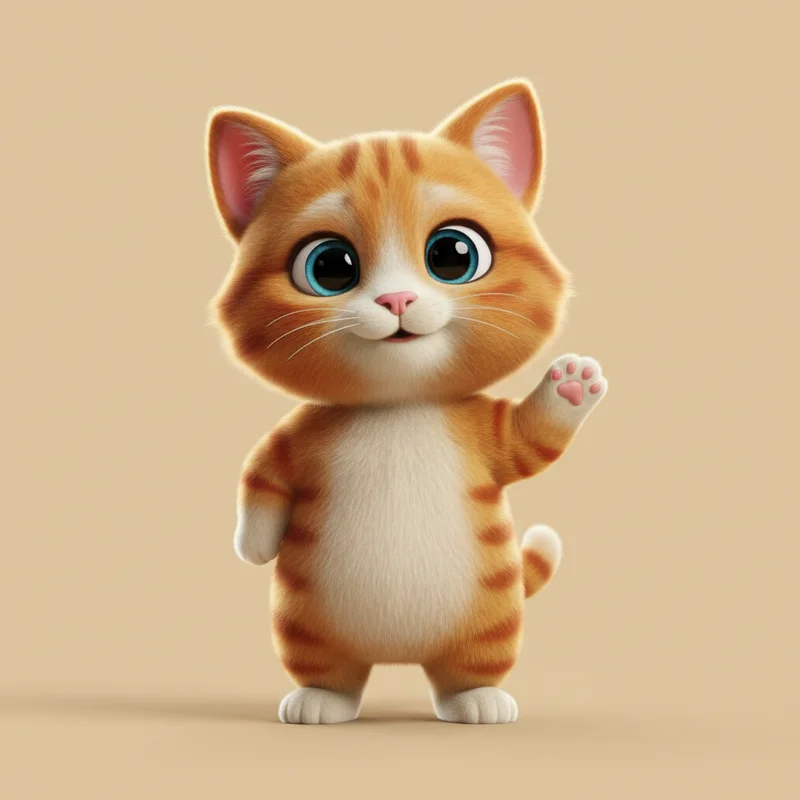
Domestic feline companion known for independence, agility, and internet fame. Masters of napping and keyboard interruption.

VS
Sleep

Sleep

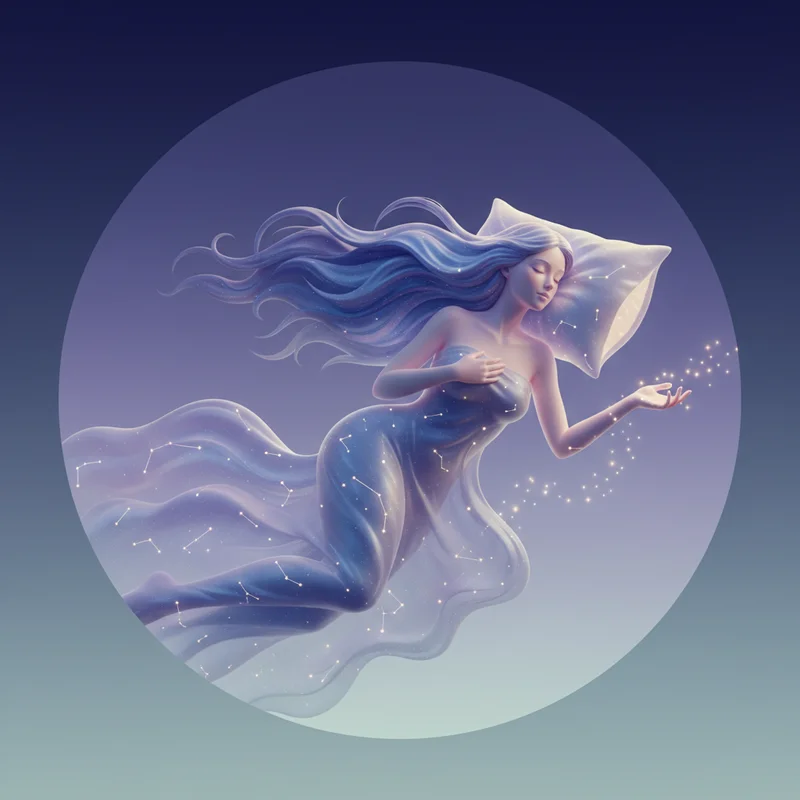
Unconscious state everyone wants more of.

Battle Analysis

Reliability cat Wins
70%
30%
Cat Sleep

Cat

The domestic cat's reliability varies according to criteria applied. For feeding-time attendance, cats demonstrate near-perfect punctuality, often arriving several minutes early with vocal reminders. For affection delivery, reliability plummets to negligible percentages. A cat may spend three consecutive evenings upon one's lap, then vanish for a week to pursue alternative arrangements. The cat is reliable in its unreliability—one can depend upon its behaviour being governed by inscrutable internal logic that prioritises feline preference above human scheduling requirements.

Sleep

Sleep operates on circadian rhythms that, under ideal conditions, produce reasonably predictable patterns. The human body generates melatonin according to light exposure cycles, theoretically inducing drowsiness at appropriate intervals. Yet sleep reliability depends upon countless variables: stress levels, caffeine consumption, ambient noise, temperature, and the peculiar tendency of the mind to rehearse embarrassing moments from 2007 precisely when unconsciousness is most needed. Sleep arrives on its own schedule, and that schedule frequently conflicts with human intentions.

VERDICT

Cats are reliably present, even if their behaviour is not; sleep may fail to appear entirely
Accessibility sleep Wins
30%
70%
Cat Sleep

Cat

The domestic cat presents significant accessibility challenges for the average human seeking its companionship. Acquisition requires either purchase, adoption, or the patience to wait until one simply appears at one's door demanding residence. Ongoing access demands feeding schedules, veterinary appointments, and litter maintenance. The cat itself determines when it shall be accessible, retreating beneath furniture or atop wardrobes when interaction is not desired. One cannot summon a cat; one can merely indicate availability and await feline decision-making.

Sleep

Sleep, by contrast, is theoretically available to every human being possessing a nervous system. It requires no purchase, adoption, or ongoing maintenance costs. One need merely close one's eyes and allow consciousness to dissolve. However, sleep's accessibility proves deceptive in practice. Insomnia affects approximately 30% of adults, and modern existence—with its blue light emissions, caffeine dependencies, and stress proliferation—has rendered sleep increasingly elusive. Sleep is universally owned yet frequently inaccessible, like a book in a language one has forgotten.

VERDICT

Sleep requires no acquisition costs or maintenance, despite its frustrating tendency to evade capture
Health benefits sleep Wins
30%
70%
Cat Sleep

Cat

Cat ownership correlates with measurable health improvements that extend beyond mere emotional satisfaction. Studies indicate cat owners experience 40% reduced risk of cardiovascular events compared to non-owners. The act of stroking a cat reduces cortisol levels and blood pressure. The responsibility of animal care provides structure and purpose, particularly valuable for elderly or isolated individuals. However, cats also introduce health risks: allergies, potential zoonotic diseases, and the occasional laceration from affection that exceeded acceptable duration by approximately three seconds.

Sleep

Sleep's health benefits are not merely significant but existentially essential. Adequate sleep supports immune function, metabolic regulation, cardiovascular health, and cognitive performance. Sleep deprivation correlates with increased mortality risk, impaired decision-making, and emotional dysregulation. Chronic insufficient sleep has been linked to Alzheimer's disease, obesity, and depression. Unlike cat ownership, which enhances quality of life, sleep sustains life itself. One can survive decades without a cat; one cannot survive weeks without sleep.

VERDICT

Sleep is biologically essential; cat ownership merely beneficial
Mastery of rest cat Wins
70%
30%
Cat Sleep

Cat

The domestic cat has achieved a mastery of rest that humans can only observe with scholarly admiration. A cat can transition from deep sleep to full alertness in under one second, yet chooses to spend the vast majority of existence in various states of dormancy. Cats sleep in positions that appear biomechanically impossible, demonstrating flexibility that suggests their skeletal system is largely advisory. They have optimised the sleep environment to include sunbeams, warm electronics, and freshly laundered clothing. The cat does not struggle with sleep; the cat has conquered it.

Sleep

Sleep itself cannot master rest because sleep is rest, or at least one manifestation thereof. Sleep does not choose when to occur; it responds to adenosine accumulation and circadian signals with mechanical predictability, when not being disrupted by the aforementioned variables. Sleep has no agency, no preference for sunbeams versus shaded corners. It is a process, not a practitioner. Sleep is the destination; the cat is the traveller who has memorised every shortcut.

VERDICT

The cat has perfected the art of sleeping; sleep itself is merely the medium
Quality of experience cat Wins
70%
30%
Cat Sleep

Cat

The experience of cat interaction operates on multiple sensory channels simultaneously. The weight of a cat upon one's chest provides gentle compression; the fur offers tactile pleasure; the purr delivers vibrational frequencies between 25 and 150 hertz associated with healing properties. Visual observation of feline contentment triggers mirror neuron activation, producing vicarious satisfaction. The quality peaks during those moments when a cat voluntarily chooses proximity, conferring upon its human a sense of having been deemed acceptable by a creature under no obligation to approve of anything.

Sleep

Quality sleep produces effects that no waking experience can replicate. During REM stages, the brain consolidates memories, processes emotional experiences, and generates the peculiar narratives known as dreams. Deep sleep triggers human growth hormone release, facilitating cellular repair and immune function enhancement. The subjective experience of quality sleep is, paradoxically, the absence of experience—yet one awakens feeling as though something profoundly restorative has occurred. Poor sleep, conversely, transforms subsequent waking hours into an exercise in cognitive diminishment.

VERDICT

Cat interaction provides conscious, multi-sensory pleasure; sleep's benefits are experienced only in retrospect
👑

The Winner Is

Cat

52 - 48

This investigation has revealed a competition between artist and canvas, between master and medium. Sleep claims decisive victory in accessibility and health benefits—one need not purchase sleep from a shelter, and its absence proves fatal rather than merely inconvenient. These are not trivial advantages.

Yet the cat prevails in quality of experience, reliability, and mastery of rest—the dimensions that speak to excellence rather than mere necessity. The cat has taken sleep, that universal biological requirement, and transformed it into something approaching philosophy. Where humans fight against their circadian rhythms and lament their insomnia, the cat has achieved complete synchronisation with the horizontal lifestyle.

By the closest of margins, at 52 to 48, the cat emerges victorious. This verdict recognises that whilst sleep is essential, the cat represents sleep's highest expression—a creature that has evolved specifically to demonstrate how rest should properly be conducted.

Cat
52%
Sleep
48%

Share this battle

More Comparisons