Topic Battle

Where Everything Fights Everything

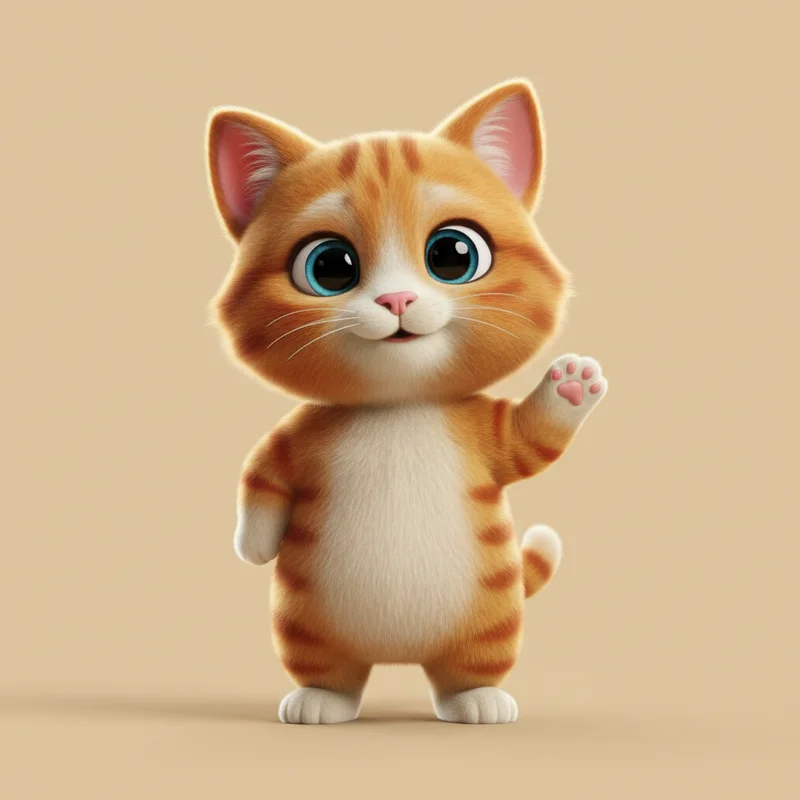
Cat

Cat

Domestic feline companion known for independence, agility, and internet fame. Masters of napping and keyboard interruption.

VS
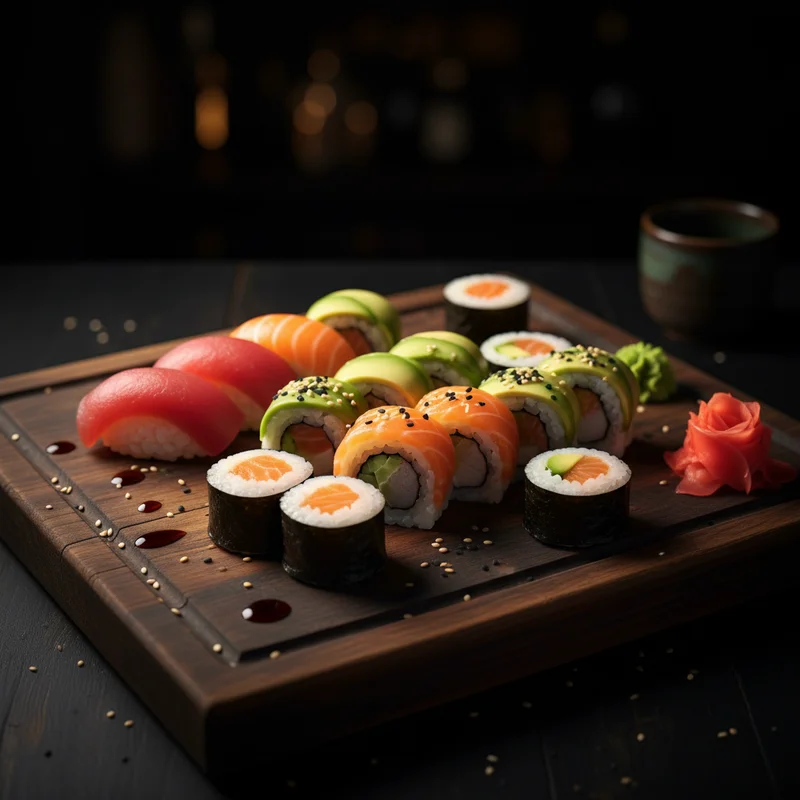
Sushi

Sushi

Japanese art form involving raw fish and expert knife skills.

Battle Analysis

Longevity Cat Wins
70%
30%
Cat Sushi

Cat

The domestic cat offers a companionship window of 15 to 20 years under optimal conditions, with some specimens exceeding 25 years through careful veterinary intervention and genetic fortune. This extended timeline enables the development of genuine relationships, accumulated shared memories, and behavioural patterns that approach something resembling mutual understanding.

Each day with a cat builds upon the previous, creating compound interest in emotional investment. The creature's personality unfolds gradually, revealing preferences, aversions, and idiosyncrasies that distinguish it from all other cats whilst remaining fundamentally, recognisably feline. This temporal depth cannot be replicated by any consumable product.

Sushi

Sushi's lifespan operates on an entirely different timescale. From preparation to consumption, the window of optimal enjoyment spans approximately 15 to 30 minutes at room temperature, with refrigerated storage extending viability to perhaps four hours before quality degradation becomes unacceptable. Beyond this, bacterial proliferation renders the product not merely unpleasant but genuinely hazardous.

This ephemeral nature defines sushi's essential character. It exists as a fleeting pleasure, a moment of perfection impossible to preserve or extend. The transience is part of the aesthetic, the Japanese concept of mono no aware made edible, but it fundamentally limits the depth of relationship possible between human and fish.

VERDICT

Two decades of companionship comprehensively outperforms thirty minutes of culinary excellence in any reasonable longevity assessment.
Social utility Sushi Wins
30%
70%
Cat Sushi

Cat

Cat ownership confers immediate membership in a global community exceeding 600 million fellow enthusiasts. Photographic content featuring cats dominates social media engagement metrics, providing reliable conversational material for digital and physical interactions alike. The phrase 'I have a cat' opens doors across cultural boundaries with remarkable consistency.

However, cats themselves prove socially uncooperative. They cannot accompany owners to restaurants, refuse to behave predictably during important video conferences, and occasionally embarrass their humans through poorly timed biological functions. Their utility exists primarily as a topic rather than a participant in social interaction.

Sushi

Sushi functions as a premier social lubricant in contemporary urban culture. The phrase 'let's grab sushi' serves as code for sophisticated casual dining across professional and personal contexts. Business negotiations, romantic advances, and friendship maintenance all orbit around sushi with increasing frequency as global palates converge.

The shared experience of sushi consumption creates conversational scaffolding, from debates over optimal fish selections to comparative assessments of local establishments. Unlike cats, sushi actively participates in social encounters, sitting companionably at the centre of the table whilst humans perform the rituals that constitute modern bonding.

VERDICT

Sushi's active role in facilitating human social interaction surpasses the cat's passive utility as a conversational topic.
Emotional return Cat Wins
70%
30%
Cat Sushi

Cat

Cats generate emotional returns through mechanisms that neurobiologists continue to investigate with considerable fascination. Physical contact triggers oxytocin release in human subjects, creating genuine biochemical bonding effects. The characteristic purr, vibrating at frequencies between 25 and 150 Hz, produces measurable stress reduction and has been associated with accelerated bone density recovery in clinical studies.

Beyond biochemistry, cats offer something no food product can provide: reciprocal recognition. They learn human names, respond to vocal tones, and demonstrate clear preferences for specific individuals. When a cat chooses to occupy one's lap rather than any available alternative surface, the validation provided exceeds anything achievable through consumption.

Sushi

Sushi's emotional contribution operates through gustatory pleasure and its downstream neurological effects. The combination of umami-rich fish, vinegared rice, and precisely calibrated wasabi triggers dopamine release comparable to other reward stimuli. A particularly excellent omakase experience can produce genuine euphoria lasting several hours.

However, the emotional relationship remains fundamentally one-directional. The sushi does not recognise its consumer, forms no attachment, and provides identical satisfaction regardless of who consumes it. There is no possibility of the sushi choosing you, no validation beyond the transaction itself. Pleasure without recognition defines the ceiling of sushi's emotional offering.

VERDICT

Reciprocal emotional bonds with a living creature provide returns no consumable product can approximate, regardless of its deliciousness.
Cultural significance Cat Wins
70%
30%
Cat Sushi

Cat

The cat's cultural footprint spans millennia and civilisations. Ancient Egyptian worship elevated Felis catus to divine status, with the goddess Bastet commanding temples and dedicated priesthoods. Medieval European superstition cast cats as witch's familiars, demonstrating that cultural significance need not be positive to be profound. Modern internet culture has completed the apotheosis, transforming cats into the primary currency of digital communication.

From Schr�dinger's thought experiment to Andrew Lloyd Webber's musical theatre, cats permeate human symbolic systems with remarkable thoroughness. They represent independence, mystery, and that particular form of domestic chaos that results from sharing space with an obligate carnivore that retains full predatory instincts despite millennia of cohabitation.

Sushi

Sushi carries the weight of Japanese cultural refinement in every precisely cut piece. The itamae tradition represents years of dedicated apprenticeship, elevating fish preparation to an art form demanding respect approaching reverence. Jiro Ono's three-Michelin-star establishment in Tokyo demonstrates that sushi transcends mere sustenance to achieve something approaching philosophy made edible.

Globally, sushi has become shorthand for cosmopolitan sophistication, a signal of cultural openness and refined palate. Its adoption across Western markets parallels and perhaps drives broader interest in Japanese culture, from anime to minimalist design. The humble rice roll carries considerable civilisational freight.

VERDICT

Ten thousand years of religious worship, artistic representation, and internet dominance outweigh even the most refined culinary tradition.
Maintenance requirements Sushi Wins
30%
70%
Cat Sushi

Cat

Cat maintenance demands present themselves as non-negotiable biological imperatives. Daily feeding schedules must be observed with precision, as feline displeasure at delayed meals manifests through behaviours ranging from persistent vocalisation to strategic furniture destruction. Litter facilities require regular attention, typically twice daily for optimal hygiene standards.

Veterinary costs accumulate steadily, with annual wellness examinations representing merely the baseline expenditure. Dental cleanings, vaccination schedules, and the inevitable geriatric interventions compound into substantial financial commitments. The average lifetime cost of cat ownership in the United Kingdom exceeds twelve thousand pounds, a figure that excludes impulse purchases at pet shops and the replacement of shredded upholstery.

Sushi

Sushi maintenance, by contrast, requires nothing whatsoever from the consumer. The product arrives prepared, portioned, and ready for immediate deployment. No feeding schedules demand attention. No litter requires changing. The transaction concludes at consumption, leaving no ongoing obligations beyond perhaps recycling the container.

Even accounting for the preparation expertise required at the supply end, the consumer-facing maintenance burden approaches absolute zero. One simply orders, receives, consumes, and continues with one's day unburdened by lingering responsibilities. This frictionless model explains much of sushi's appeal to time-pressed modern humans.

VERDICT

Zero ongoing maintenance requirements represent an insurmountable advantage over creatures demanding daily biological attention.
👑

The Winner Is

Cat

58 - 42

The cat prevails not through deliciousness or convenience but through something sushi can never provide: the capacity for ongoing relationship. A creature that chooses to share domestic space with a human, despite possessing both the means and opportunity to leave, offers validation no meal can approximate.

Sushi will continue to hold its essential place in modern dining culture. It remains humanity's most elegant fast food, its most photogenic meal, and its most efficient delivery mechanism for omega-3 fatty acids. These virtues should not be dismissed.

Yet when the last piece of salmon nigiri has been consumed and the wasabi sensation has faded, it is the cat that remains, a warm presence demanding nothing beyond proximity, offering nothing beyond presence, and somehow making that exchange feel entirely sufficient. In the final accounting, companionship chosen proves more valuable than pleasure merely consumed, however exquisite that consumption remains.

Cat
58%
Sushi
42%

Share this battle

More Comparisons