Topic Battle

Where Everything Fights Everything

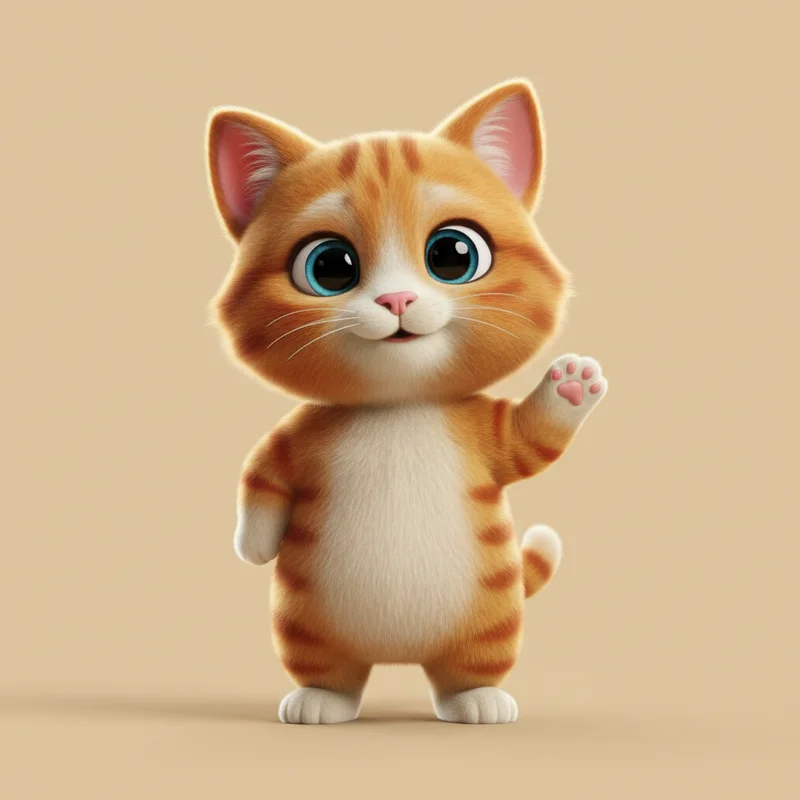
Cat

Cat

Domestic feline companion known for independence, agility, and internet fame. Masters of napping and keyboard interruption.

VS
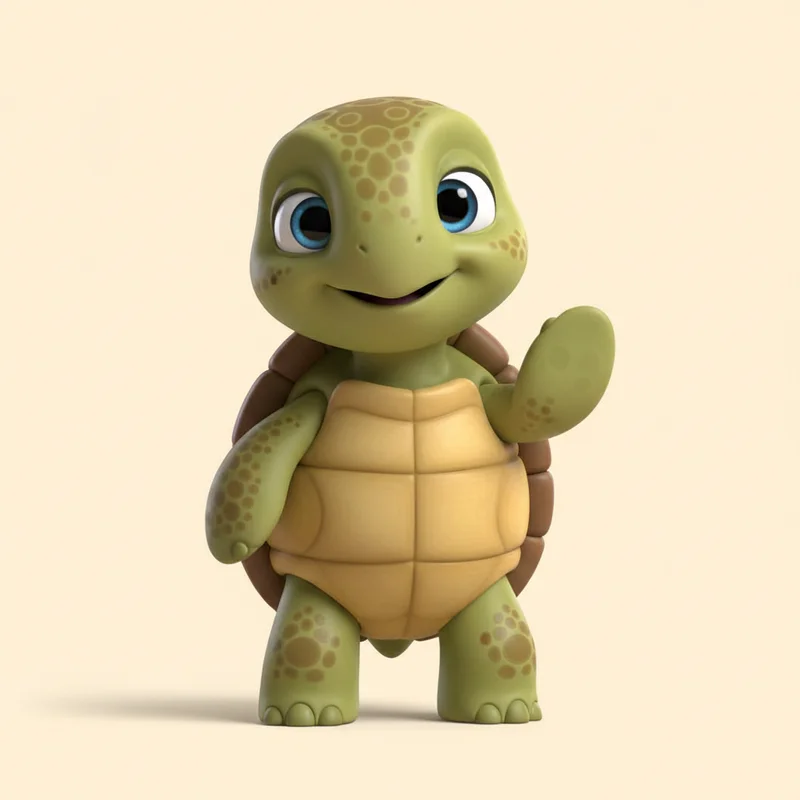
Turtle

Turtle

Shelled reptile living at deliberately slow pace, with some species surviving over 100 years.

Battle Analysis

Speed Cat Wins
70%
30%
Cat Turtle

Cat

The domestic cat operates as a precision instrument of velocity when circumstances demand. Capable of reaching 30 miles per hour in short bursts, the cat deploys acceleration that would shame most sports vehicles. From complete stillness to maximum velocity occurs within fractions of a second, powered by fast-twitch muscle fibres optimised for explosive engagement.

This speed serves multiple functions beyond predation. Escape from threats, territorial patrol efficiency, and the simple joy of what behavioural scientists term 'zoomies' all benefit from feline velocity. The cat treats speed as a tool to be deployed selectively, conserving energy through prolonged rest periods averaging 12 to 16 hours daily before unleashing brief moments of furious activity.

Turtle

The turtle's relationship with speed can only be described as philosophically antagonistic. Most terrestrial species manage approximately 0.2 to 0.5 miles per hour under optimal conditions, a pace that would require roughly two days to complete a standard marathon. Aquatic species fare somewhat better, with sea turtles achieving respectable cruising speeds of 20 miles per hour, though they remain uninterested in demonstrating this capacity with any urgency.

This apparent deficiency represents not failure but deliberate evolutionary choice. The turtle has concluded, correctly across 220 million years of evidence, that arriving quickly matters less than arriving at all. Speed invites recklessness, energy expenditure, and the sort of hasty decisions that lead to extinction. The turtle prefers certainty over celerity.

VERDICT

By any conventional measurement of velocity, the cat's capacity for rapid movement exceeds the turtle's by approximately two orders of magnitude.
Longevity Turtle Wins
30%
70%
Cat Turtle

Cat

The domestic cat lifespan, whilst respectable for a companion animal, reflects fundamental mammalian constraints. Metabolic rates, cellular turnover, and the accumulated damage of active existence combine to produce lifespans typically ranging from 12 to 18 years for well-cared-for individuals. Exceptional cases extend to the mid-twenties, with the verified record standing at 38 years.

From an evolutionary perspective, this lifespan represents adequate success. Cats achieve reproductive maturity quickly, produce multiple litters, and have successfully propagated their genetic material across the globe. The brevity of individual existence matters less when measured against species-level persistence.

Turtle

Turtle longevity operates on scales that challenge human comprehension. The box turtle in a suburban garden may have hatched during the Napoleonic Wars. The sea turtle navigating ocean currents may have begun its journey before powered flight. Lifespans of 80 to 150 years represent not exceptional cases but baseline expectations for many species.

This extraordinary persistence derives from multiple factors: slow metabolic rates, efficient cellular repair mechanisms, and a fundamental approach to existence that prioritises sustainability over intensity. The turtle has essentially rejected the mammalian bargain of brief, energetic lives in favour of something approaching biological permanence. Jonathan, the Seychelles giant tortoise, continues his existence at an estimated age of 192 years, having outlived every human who witnessed his hatching.

VERDICT

When individual organisms routinely outlive human generations by multiples, longevity claims become mathematically unassailable.
Durability Turtle Wins
30%
70%
Cat Turtle

Cat

Feline durability operates through redundancy and resilience rather than physical fortification. The proverbial nine lives find their basis in remarkable physiological adaptations: a righting reflex that enables safe landings from considerable heights, a flexible skeletal structure that distributes impact forces, and healing capabilities that resolve injuries with impressive efficiency.

However, the cat remains fundamentally soft. Without protective armour, exposure to environmental threats, predators, and the various hazards of modern life creates genuine vulnerability. Average domestic cat lifespans of 12 to 18 years reflect this reality, substantial for a mammal of their size but modest when compared to alternative evolutionary approaches.

Turtle

The turtle's approach to durability borders on the obsessive. Encased within a shell comprising approximately 60 bones fused into an integrated protective structure, the turtle has essentially become a mobile fortress. This shell, composed of keratin over bone, resists predation attempts that would prove immediately fatal to unarmoured creatures.

The results speak across geological time. Individual turtles routinely achieve lifespans exceeding 100 years, with certain species documented beyond 150 years. The Aldabra giant tortoise named Adwaita reportedly lived to approximately 255 years, witnessing the entire arc of British colonialism whilst maintaining complete indifference to its implications. This represents durability of a fundamentally different category.

VERDICT

A creature capable of surviving for centuries within armour that predates most civilisations demonstrates durability that soft-tissued mammals cannot approach.
Adaptability Cat Wins
70%
30%
Cat Turtle

Cat

Cats exhibit adaptability that borders on the alarming. From the frozen steppes of Siberia to the urban density of Tokyo, from desert margins to tropical forests, Felis catus has established viable populations with minimal genetic modification. This flexibility stems from behavioural plasticity rather than physical transformation, the cat adjusting its habits whilst maintaining its essential character.

The domestic cat's colonisation of human environments demonstrates particular adaptive genius. By calibrating their behaviour to human psychological vulnerabilities, cats have secured food, shelter, and protection whilst surrendering almost nothing of their fundamental autonomy. They have, in essence, domesticated their domesticators, a feat of adaptive manipulation unmatched in the animal kingdom.

Turtle

Turtle adaptability operates on vastly different parameters. Rather than adjusting to environmental variation, turtles have achieved stability through environmental generalism. Aquatic, terrestrial, and semi-aquatic niches all host successful turtle populations. Dietary flexibility ranges from strict herbivory to opportunistic omnivory to active predation, depending upon species and circumstance.

The turtle's most remarkable adaptation remains its fundamental design philosophy. Having optimised their body plan approximately 220 million years ago, turtles have essentially refused further modification, betting that environmental variation would cycle back to conditions favouring their approach. This gamble has paid dividends repeatedly, as turtles have survived extinction events that eliminated far more dynamic species.

VERDICT

The cat's rapid behavioural adaptation to novel environments demonstrates flexibility the turtle's conservative strategy cannot match in contemporary time scales.
Independence Turtle Wins
30%
70%
Cat Turtle

Cat

The domestic cat maintains an air of independence that any observer must acknowledge represents largely theatre. Despite projecting self-sufficiency, cats remain dependent upon human-provided resources for the comfortable existence they have come to expect. The average house cat, if suddenly deposited in wilderness conditions, would face survival challenges their wild ancestors would find embarrassing.

That said, feral cat populations worldwide demonstrate that genuine independence remains achievable. Cats hunt successfully, establish territories, and reproduce without human intervention across every inhabited continent. Their independence, whilst often more performed than practised, retains genuine substance when circumstances demand.

Turtle

Turtle independence achieves levels that approach the philosophical. Once hatched, many turtle species require absolutely nothing from other creatures beyond basic environmental conditions. They do not hunt cooperatively, do not form social bonds essential to survival, and do not engage in the mutual dependencies that characterise so many successful species.

This radical self-sufficiency extends to remarkable extremes. Turtles survive extended periods without food, regulate their own body temperature through behavioural thermoregulation, and resolve most threats through simple withdrawal into their shells. They have achieved something approaching genuine autonomy, requiring nothing from the world beyond space to exist within it.

VERDICT

A creature requiring virtually nothing from its environment beyond basic physical conditions demonstrates independence the socially embedded cat cannot claim.
👑

The Winner Is

Turtle

45 - 55

The turtle prevails through the simple expedient of having outlasted every criticism ever levelled against its approach. Slow, certainly. Unadventurous, perhaps. But present, continuously present, across epochs that transformed continents, extinguished dynasties of reptiles, and witnessed the entire arc of mammalian evolution.

The cat's virtues, speed, agility, social manipulation, represent genuine achievements worthy of respect. Any creature that has convinced humans to provide food, shelter, and worship in exchange for occasional tolerance has accomplished something remarkable. These adaptations ensure feline success for the foreseeable future.

Yet when geological time enters the calculation, the turtle's strategy reveals its genius. While other species exhausted themselves in competition, the turtle simply waited, protected within its shell, conserving energy, accumulating years, and watching as supposedly superior approaches rose and fell around it. In the final analysis, existence sustained proves more valuable than existence intensified, a truth the turtle has demonstrated for longer than most mountain ranges have existed.

Cat
45%
Turtle
55%

Share this battle

More Comparisons