Cat
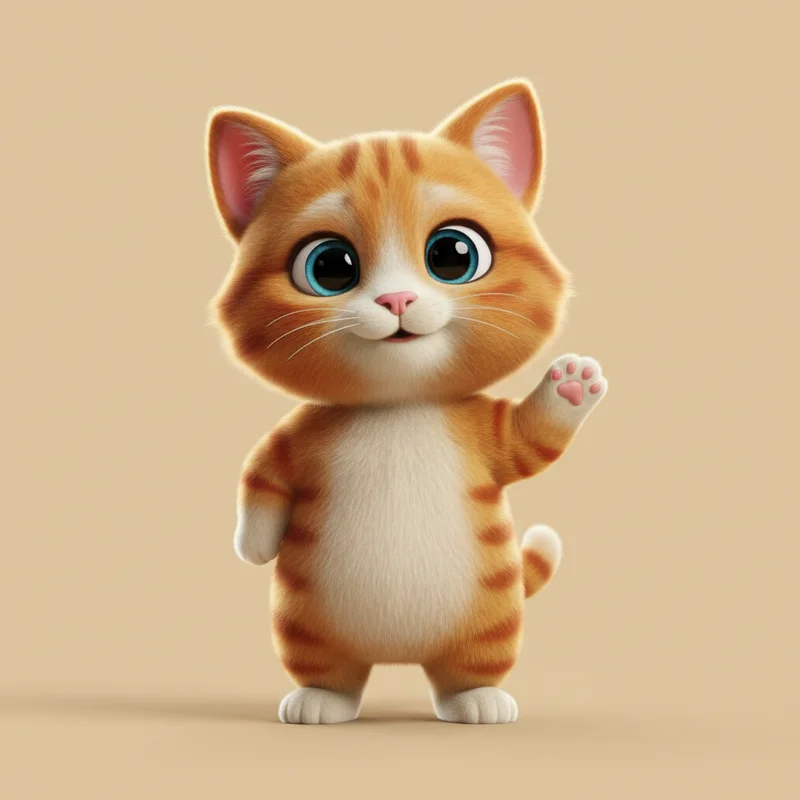
The domestic cat possesses a skeletal structure of approximately 230 bones, featuring a spine of remarkable articulation. Cats lack a true collarbone, enabling them to compress their bodies through openings one would reasonably assume impassable. The feline can rotate its spine to an extraordinary degree, contort into positions that appear to violate basic anatomical principles, and transition from deep sleep to full extension in under two seconds. This flexibility is not achieved; it simply exists as a default state.
Crucially, the cat requires no warm-up, no instructor, and no special attire. Its flexibility operates continuously, whether stalking prey or selecting the most structurally improbable sleeping position available.
Yoga
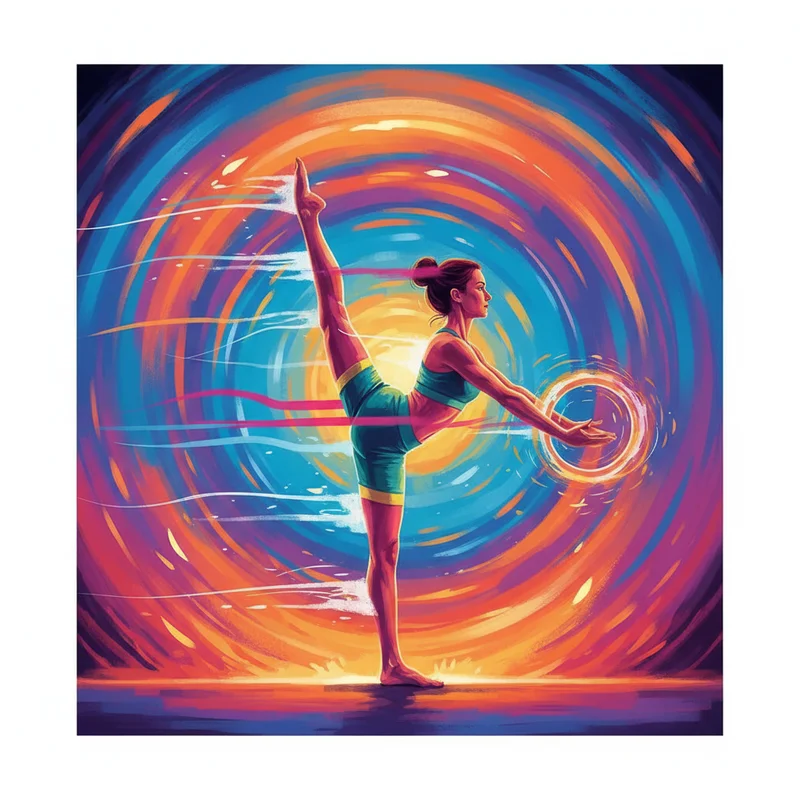
Yoga offers humans a systematic methodology for developing flexibility through progressive practice. A dedicated practitioner may, after months or years of training, achieve positions that approach feline capability. The discipline encompasses thousands of poses, or asanas, each targeting specific muscle groups and joints. Progress is measurable and, for many practitioners, deeply satisfying.
However, yoga flexibility is fundamentally borrowed rather than inherent. Miss a week of practice, and the body begins reverting to its natural rigidity. The yoga practitioner works against their own physiology; the cat simply is what it is.