Topic Battle

Where Everything Fights Everything

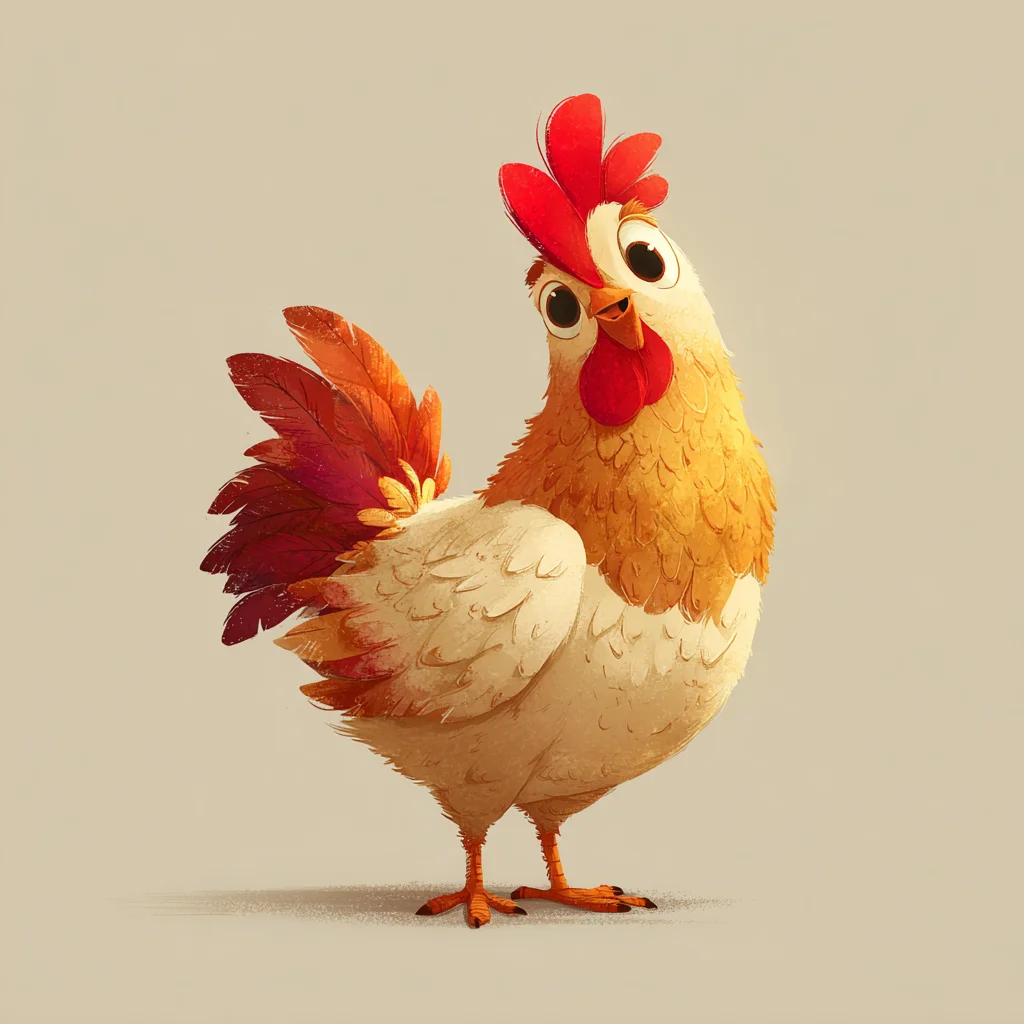
Chicken

Chicken

A domesticated fowl, a subspecies of the red junglefowl. One of the most common and widespread domestic animals.

VS
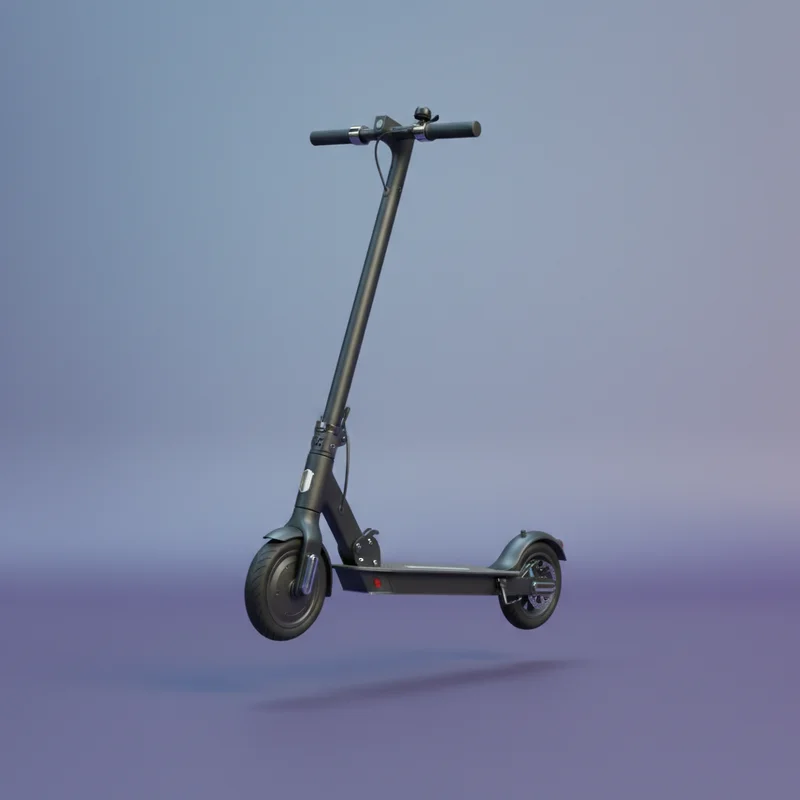
Electric Scooter

Electric Scooter

A vehicle that makes you question both transportation and dignity simultaneously. Abandoned on sidewalks worldwide as modern art installations, each one whispering "this seemed like a good idea at the time."

The Matchup

In the annals of comparative analysis, few confrontations present such a striking juxtaposition of evolutionary refinement and industrial engineering as the contest between Gallus gallus domesticus, the domestic chicken, and the lithium-ion-powered personal mobility device commonly designated the electric scooter.

The chicken emerges from approximately 10,000 years of selective breeding, descending from the red junglefowl of Southeast Asian forests. With a global population exceeding 33 billion individuals, this remarkable bird has achieved the distinction of being Earth's most numerous avian species. It requires no charging cable, no smartphone application, and no municipal operating permit.

The electric scooter, by contrast, represents humanity's attempt to solve the last-mile problem through brushless motors and proprietary charging systems. Since their proliferation in urban environments circa 2017, these devices have deposited themselves across pavements worldwide with the determination of a species intent on territorial expansion.

Battle Analysis

Speed Electric Scooter Wins
30%
70%
Chicken Electric Scooter

Chicken

The domestic chicken achieves a documented maximum velocity of 9 miles per hour during short-duration sprints, with sustained ambulatory movement averaging 3-4 miles per hour across extended distances. These figures, while modest by mammalian standards, represent respectable performance for an organism whose primary selective pressures have favoured egg production over athletic achievement.

Flight capability exists in a theoretical capacity. Heritage breeds retain sufficient wing musculature to achieve brief aerial excursions of 10-15 feet horizontally, typically motivated by predator evasion or roost access. Modern broiler varieties, having been optimised for breast meat production, demonstrate correspondingly limited airborne capability.

Notably, the chicken's velocity is achieved through entirely biological processes requiring no external energy input beyond metabolised grain and insects. The bird operates continuously without scheduled charging intervals.

Electric Scooter

The electric scooter achieves governed speeds of 15-25 miles per hour in most jurisdictions, with some unregulated models capable of exceeding 40 miles per hour under optimal conditions. This represents a substantial velocity advantage over ambulatory poultry.

However, these figures require considerable qualification. The scooter's effective speed approaches zero miles per hour when the battery indicator displays empty, when the rental application experiences server difficulties, or when the previous user has deposited the device in a canal.

Range limitations further constrain practical velocity. Most rental scooters achieve 15-25 miles per charge, assuming the battery has not been depleted by the previous eighteen users. The chicken, requiring only modest caloric input, maintains operational readiness indefinitely.

VERDICT

Pure velocity measurements favour the electric scooter by a considerable margin. The mechanical device achieves speeds approximately three times greater than the biological competitor during peak operation.

This assessment acknowledges significant reliability differentials. The scooter's speed advantage exists only during charged operational periods, whilst the chicken maintains consistent, if modest, performance without infrastructure dependency.

The electric scooter secures this category through raw numerical superiority, though the victory carries substantial asterisks regarding operational availability.

Durability Chicken Wins
70%
30%
Chicken Electric Scooter

Chicken

The domestic chicken demonstrates a functional lifespan of 5-12 years under appropriate husbandry conditions, with documented specimens exceeding 20 years in exceptional cases. Heritage breeds maintained as laying hens commonly provide reliable egg production for 7-10 years.

The species exhibits remarkable self-repair capabilities. Feather regeneration occurs continuously through natural moulting cycles. Minor injuries heal without external intervention. The chicken's immune system, refined through millennia of exposure to diverse pathogens, provides robust defence against common ailments.

Environmental tolerance spans an impressive range, from tropical climates exceeding 40 degrees Celsius to subarctic conditions below -20 degrees, provided appropriate shelter exists. The chicken has established feral populations on every inhabited continent, demonstrating species-level durability across diverse conditions.

Electric Scooter

The average rental electric scooter achieves a service lifespan of 1-4 months in urban deployment conditions, a figure that has prompted considerable discussion regarding sustainable business models. Private ownership extends operational life to 2-5 years with proper maintenance.

Component vulnerability presents significant durability challenges. Lithium-ion batteries degrade with each charge cycle, retaining approximately 80% capacity after 500 cycles. Solid rubber tyres resist punctures but wear through contact with pavement. Brake systems require periodic adjustment.

Environmental tolerance proves markedly limited. Rain ingress damages electrical components despite IP ratings. Cold temperatures reduce battery efficiency by 20-40%. Heat accelerates battery degradation. The electric scooter operates optimally within a narrow thermal band that the chicken traverses without difficulty.

VERDICT

Durability assessment overwhelmingly favours the biological system over the manufactured device. The comparison presents a lifespan differential measured in orders of magnitude rather than percentages.

The chicken's capacity for autonomous self-repair proves decisive. When a feather breaks, it regrows. When a scooter handlebar breaks, it requires professional intervention and spare parts sourced from international supply chains.

Perhaps most significantly, the chicken produces replacement chickens through standard reproductive processes. The electric scooter reproduces only through factory manufacture. The chicken secures this category through the fundamental advantage of being alive.

Versatility Chicken Wins
70%
30%
Chicken Electric Scooter

Chicken

The domestic chicken provides an extraordinary spectrum of documented utilities. Primary functions include egg production averaging 250-300 eggs annually for commercial breeds, meat provision across numerous culinary preparations, and feather harvesting for insulation, bedding, and decorative applications.

Secondary applications demonstrate remarkable breadth: pest control through insect consumption (eliminating up to 80 ticks per hour), garden fertilisation via nitrogen-rich waste products, dawn alarm services through biologically regulated vocalisation, and psychological comfort for those who appreciate avian companionship.

The chicken has served throughout history as divination tool in ancient Rome, emergency message courier before electronic communication, and living calendar in pre-industrial agricultural societies. It provides entertainment, education, and emotional support across cultures spanning millennia.

Electric Scooter

The electric scooter provides personal transportation within urban environments. This represents its primary function, which it executes with reasonable effectiveness across level terrain in favourable weather conditions.

Secondary applications prove limited. The scooter may serve as an impromptu clothes drying rack when stored indoors, or as a topic of conversation regarding the state of urban infrastructure. Some users report modest core muscle engagement during balance maintenance.

The device cannot produce food, eliminate garden pests, fertilise soil, or provide meaningful companionship. It makes no sound at dawn. It cannot reproduce. When its useful life concludes, it offers no residual value beyond recyclable component materials.

VERDICT

Versatility comparison reveals a fundamental mismatch. The chicken serves as food source, pest controller, fertiliser producer, alarm clock, and companion animal. The electric scooter transports humans across relatively short distances.

A single chicken replaces multiple household services and products. The electric scooter replaces a short walk or abbreviated bicycle journey. Both have their utility; one demonstrates markedly broader application.

The chicken prevails through the accumulated functionality of ten thousand years of co-evolution with human society.

Social impact Chicken Wins
70%
30%
Chicken Electric Scooter

Chicken

The chicken has shaped human civilization in ways both profound and overlooked. The species provided reliable protein that enabled permanent settlement and urban development. Chicken consumption appears in virtually every culinary tradition, from British roast dinner to Japanese yakitori to Ethiopian doro wat.

Cultural penetration extends beyond cuisine. The chicken features in religious observances, folk remedies, weather prediction, and children's literature. The phrase chicken crossing the road has spawned sufficient philosophical inquiry to populate entire academic conferences.

Economic impact proves substantial. The global poultry industry exceeds 300 billion USD annually. Egg production alone employs millions worldwide. The chicken has achieved integration into human society that approaches symbiotic co-dependency.

Electric Scooter

The electric scooter has generated considerable social discourse since its urban proliferation, though the nature of this discourse remains predominantly critical. Pedestrian safety concerns, pavement obstruction, and regulatory debates dominate public discussion.

Positive social impacts include providing last-mile transportation solutions for commuters, reducing automobile dependency in some urban contexts, and creating gig economy employment for charging and redistribution personnel.

Negative externalities have attracted significant attention. Emergency department visits related to scooter injuries have increased substantially since 2018. Discarded scooters have become symbols of urban disorder. Municipal governments worldwide have implemented increasingly restrictive regulations in response to public complaint.

VERDICT

Social impact assessment favours the organism whose presence does not generate municipal enforcement actions. The chicken has integrated into human society over ten millennia; the electric scooter remains a contested addition to urban landscapes.

While the scooter provides genuine utility for specific transportation needs, its broader social reception remains mixed. The chicken, by contrast, enjoys near-universal cultural acceptance across civilizations.

The chicken prevails through depth of integration into human society that the electric scooter has not yet achieved and may never approximate.

Sustainability Chicken Wins
70%
30%
Chicken Electric Scooter

Chicken

The chicken operates on a closed-loop biological system of remarkable efficiency. Energy derives from plant matter, insects, and kitchen scraps, converted to protein with feed conversion ratios approaching 2:1 in optimised breeds. Laying hens provide indefinite egg production from modest ongoing inputs.

Waste products integrate seamlessly into agricultural nutrient cycles. Chicken manure provides high-nitrogen fertiliser requiring no industrial processing. Feathers decompose naturally. End-of-life disposal occurs through complete biodegradation within months, leaving no persistent environmental residue.

The fundamental chicken technology has operated sustainably for ten millennia without significant resource depletion. It requires no rare earth minerals, no petroleum-derived plastics, and no intercontinental shipping of components manufactured through processes of questionable labour conditions.

Electric Scooter

The electric scooter presents a complex sustainability calculus. Proponents emphasise zero direct emissions during operation and potential reduction in automobile trips. Critics note the considerable environmental costs embedded in manufacturing and disposal.

Battery production requires lithium, cobalt, and nickel, minerals extracted through processes generating substantial environmental impact in Chile, Democratic Republic of Congo, and Indonesia. The aluminium frame demands energy-intensive smelting. Electronic components contain rare earth elements with limited recycling pathways.

End-of-life presents particular challenges. Lithium-ion batteries require specialised recycling facilities to avoid soil and water contamination. The short operational lifespan of rental scooters generates a continuous waste stream of prematurely discarded devices.

VERDICT

Sustainability evaluation presents a clear verdict favouring the biological system. The chicken represents a renewable, biodegradable, self-replicating organism requiring no industrial supply chain.

The electric scooter, despite its zero-emission operation, carries substantial embedded environmental costs. When full lifecycle analysis accounts for manufacturing, battery production, limited lifespan, and disposal challenges, the sustainability advantage diminishes considerably.

The chicken wins by operating on principles of circular economy that human industry continues to approximate with limited success.

👑

The Winner Is

Chicken

65 - 35

This assessment concludes with a comprehensive 65-35 victory for Gallus gallus domesticus over the lithium-ion-powered personal mobility device. The margin reflects structural advantages inherent to autonomous biological organisms over manufactured transportation equipment.

The electric scooter demonstrates genuine utility within its designed parameters, providing convenient urban transportation when charged, operational, and legally permitted. However, when evaluated across comprehensive metrics including durability, sustainability, versatility, and social impact, the device cannot compete with a creature possessing the capacity for self-repair, reproduction, and multi-purpose functionality.

The chicken represents a time-tested technology requiring no software updates, no municipal licensing, and no smartphone application. It produces its own replacement units, disposes of itself through natural processes, and has never obstructed a pedestrian crossing.

Chicken
65%
Electric Scooter
35%

Share this battle

More Comparisons