
Topic Battle

Where Everything Fights Everything

Tea

Tea

A traditional beverage made from steeping processed leaves of the Camellia sinensis plant in hot water. Enjoyed by billions worldwide.

VS
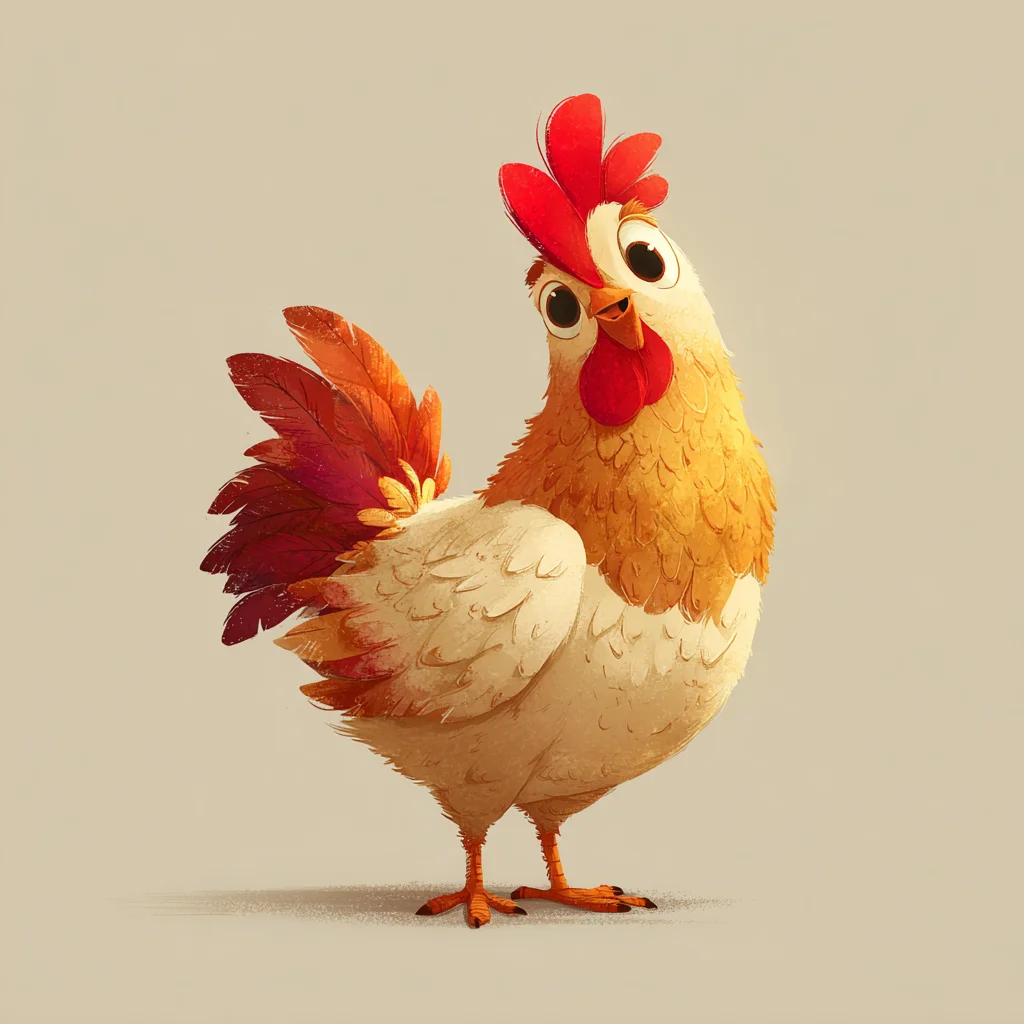
Chicken

Chicken

A domesticated fowl, a subspecies of the red junglefowl. One of the most common and widespread domestic animals.

The Matchup

The relationship between Homo sapiens and the natural world has produced countless symbiotic arrangements, yet none quite so peculiar as the dual dependency on Gallus gallus domesticus and the leaves of the Camellia sinensis plant.

The chicken arrived in human settlements approximately 8,000 years ago, domesticated from the red junglefowl in Southeast Asia. It has since accompanied humanity to every inhabited continent, providing protein, pest control, and an inexplicable willingness to cross roads despite the philosophical complications this creates.

The tea plant entered human consciousness roughly 5,000 years ago in ancient China, allegedly when leaves fell into Emperor Shen Nung's boiling water. This beverage now commands the attention of over two billion daily consumers, second only to water in global liquid popularity. Both contenders have achieved remarkable cultural penetration, and both remain stubbornly central to human daily routines.

Battle Analysis

Speed Chicken Wins
30%
70%
Tea Chicken

Tea

Tea, in its processed leaf form, maintains a velocity of precisely zero miles per hour under all observed conditions. The dried leaves exhibit no independent motion whatsoever, remaining stationary until acted upon by external forces.

Once prepared as a beverage and consumed, tea's bioactive compounds do demonstrate remarkable internal velocity. Caffeine reaches peak blood concentration within 30-60 minutes, traveling through the bloodstream at the pace of cardiac circulation. The L-theanine compounds cross the blood-brain barrier with similar efficiency.

However, these internal velocities require a human host to achieve any meaningful displacement. Tea cannot, under any circumstances, transport itself to a location where it might be useful. This represents a fundamental mobility limitation.

Chicken

The domestic chicken achieves a maximum sprint velocity of 9 mph when sufficiently motivated by predators, food, or territorial disputes with other chickens.

This performance may appear modest by avian standards, yet it represents a remarkable achievement for a bird that has been selectively bred for meat production rather than aerodynamic efficiency. The chicken can also achieve brief flight, typically covering 10-15 feet at heights sufficient to reach low perches, though this capability has atrophied considerably from its junglefowl ancestors.

Crucially, the chicken possesses autonomous locomotion. It requires no external propulsion system, no scheduled transportation, and no human intervention to relocate from one position to another. This self-propelling characteristic proves significant in comparative analysis.

VERDICT

The velocity differential in this category proves absolute rather than relative. The chicken possesses the capacity for self-directed movement, while tea possesses no such capacity whatsoever.

Tea's internal biochemical velocity following consumption, while measurable, does not constitute independent speed. The tea molecule remains dependent upon human circulatory infrastructure for all transportation needs. The chicken, by contrast, has developed legs specifically adapted for ground-based locomotion.

This category belongs to the chicken by virtue of possessing any measurable autonomous velocity, a threshold tea cannot meet regardless of preparation method or brewing technique.

Durability Chicken Wins
30%
70%
Tea Chicken

Tea

Properly stored dried tea leaves maintain chemical integrity for 18-24 months under optimal conditions of low humidity, controlled temperature, and darkness. Premium aged pu-erh teas have demonstrated flavor improvement over decades, with specimens exceeding 50 years commanding significant market valuations.

The Camellia sinensis plant itself exhibits extraordinary longevity. Wild tea trees in Yunnan province have been documented at ages exceeding 1,000 years, with some specimens producing harvestable leaves for centuries. The oldest confirmed tea tree, located in China's Lincang region, approaches 3,200 years of age.

However, processed tea requires constant human intervention to maintain supply. Tea cannot reproduce independently of its cultivation infrastructure. Each cup consumed represents a finite resource requiring agricultural replacement.

Chicken

An individual chicken maintains functional viability for 5-10 years under favorable conditions, with documented cases of exceptional specimens reaching 16 years of age.

The species demonstrates considerable resilience to environmental variation, tolerating temperature ranges from -20C to 35C with appropriate shelter. Chickens recover from minor injuries through biological regeneration, regrow feathers after molting, and continue egg production for 3-5 years despite the metabolic demands this imposes.

More significantly, chickens possess reproductive durability. A single hen produces approximately 250-300 eggs annually, ensuring population continuity without requiring manufacturing facilities, supply chains, or quality control departments. The chicken has maintained this reproductive capacity for eight millennia without performance degradation.

VERDICT

Both contenders demonstrate durability appropriate to their respective kingdoms, yet the chicken's self-replicating capability proves decisive in extended analysis.

While individual tea plants may outlive individual chickens by orders of magnitude, the chicken population maintains itself through autonomous biological reproduction. Tea production requires continuous human agricultural intervention, processing facilities, and distribution networks.

The chicken, once established in an environment, perpetuates indefinitely through natural reproduction. Tea leaves, however aged and valuable, cannot produce additional tea leaves. This reproductive asymmetry grants the chicken superior systemic durability.

Versatility Chicken Wins
30%
70%
Tea Chicken

Tea

Tea functions primarily as a beverage, though this singular function encompasses remarkable variation. The same Camellia sinensis plant produces white, green, oolong, black, and pu-erh tea varieties through different processing methods.

Beyond consumption, tea finds application in cosmetics, culinary recipes, and traditional medicine. Tea polyphenols appear in skincare products, while matcha powder serves as flavoring in desserts, ice creams, and confections. Spent tea leaves provide garden mulch and natural fertilizer.

Tea also functions as a social lubricant of considerable power. The beverage has facilitated diplomatic negotiations, business transactions, and family gatherings across cultures. The Japanese tea ceremony, British afternoon tea, and Chinese gongfu traditions demonstrate tea's capacity to structure social interaction. However, tea cannot provide protein, pest control, or autonomous alarm functionality.

Chicken

The chicken provides an extraordinary range of practical applications that few other domesticated species can match. Primary outputs include eggs, meat, and feathers, each supporting distinct industries.

Global egg production exceeds 1.4 trillion eggs annually, while chicken meat represents the most consumed protein source worldwide. Feathers supply the bedding industry with down filling, while poultry manure serves as agricultural fertilizer.

Beyond material outputs, chickens provide pest control services, consuming insects, small rodents, and garden pests with enthusiasm. They serve as companions in backyard settings, alarm systems through their vocalizations at dawn, and educational subjects for children learning about animal husbandry. The chicken has even achieved cultural significance as a symbol in phrases involving road-crossing and egg-laying sequences.

VERDICT

When cataloguing practical applications, the chicken's portfolio demonstrates greater breadth and depth than tea's admittedly sophisticated but narrower utility range.

The chicken simultaneously serves as food source, egg producer, pest controller, fertilizer generator, and self-reproducing agricultural asset. Tea, while culturally significant and biochemically complex, remains fundamentally a beverage with secondary applications.

The chicken's versatility extends to its own maintenance. It feeds itself when granted access to appropriate environments, requiring minimal human intervention. Tea requires cultivation, harvesting, processing, and preparation for each use. This operational independence contributes to the chicken's superior versatility score.

Global reach Chicken Wins
30%
70%
Tea Chicken

Tea

Tea commands a global market valued at approximately $200 billion annually, with consumption documented in virtually every nation. Over 3 billion cups are consumed daily worldwide.

However, tea production remains geographically concentrated. China, India, Kenya, and Sri Lanka account for over 75% of global tea production. Unlike the chicken, tea cannot establish independent breeding populations in new territories without deliberate agricultural cultivation.

Tea's global reach depends entirely upon international trade infrastructure. The beverage's popularity in Britain, for example, exists only because of shipping networks established during colonial periods. Remove the supply chain, and tea availability in most consuming nations would cease within months.

Chicken

The domestic chicken maintains breeding populations in virtually every nation on Earth, with an estimated global population exceeding 33 billion individuals at any given moment.

This represents approximately four chickens for every human being. The species has achieved market penetration that most corporations would consider aspirational, operating in environments ranging from industrial farming operations to subsistence household agriculture.

Chickens require no importation infrastructure to maintain local populations. Once established, they replicate independently, adapting to local conditions through natural selection. The chicken has demonstrated this global expansion capability for millennia, requiring neither marketing campaigns nor distribution networks.

VERDICT

Both contenders have achieved global presence of extraordinary scope, yet their modes of global reach differ fundamentally in resilience and independence.

The chicken's 33 billion global population exists independently of international trade. Chickens in Nigeria do not depend upon chickens in Thailand for continued existence. Each population maintains itself through local reproduction.

Tea's global reach, while commercially impressive, remains dependent upon trade networks. The chicken has achieved true geographic independence through biological distribution, while tea's reach relies upon human logistics. In terms of autonomous global presence, the chicken holds a decisive advantage.

Sustainability Tea Wins
70%
30%
Tea Chicken

Tea

Tea cultivation presents a mixed sustainability profile dependent upon production methods. Traditional shade-grown tea gardens maintain biodiversity, sequester carbon, and operate with minimal chemical inputs.

The tea plant itself is perennial, requiring no annual replanting. Established tea bushes produce harvests for 50-100 years with proper maintenance. The beverage requires only boiling water for preparation, representing minimal energy expenditure per serving.

However, modern tea production often involves monoculture plantations, synthetic fertilizers, and international shipping. A cup of tea consumed in London has traveled approximately 8,000 kilometers from its origin, accumulating carbon emissions throughout its journey. Tea's sustainability advantages erode considerably when supply chain emissions are included.

Chicken

The chicken operates on a fully solar-powered metabolic system, converting plant matter into protein through biological processes refined over millions of years of evolution.

Chickens consume agricultural byproducts, food waste, and insects that would otherwise require disposal. Their manure provides nitrogen-rich fertilizer, completing a closed-loop nutrient cycle in small-scale agricultural settings. Backyard chicken operations demonstrate carbon footprints approaching neutrality.

Industrial poultry production, admittedly, introduces sustainability complications through feed transportation, processing facilities, and waste concentration. However, the baseline chicken requires no industrial inputs whatsoever. The species maintained populations for millennia before fossil fuels existed, and will presumably continue after petroleum reserves are exhausted.

VERDICT

This criterion produces the closest contest in the analysis, with both contenders demonstrating legitimate sustainability credentials alongside industrial-scale complications.

The tea plant's perennial nature and carbon sequestration capacity provide advantages in long-term environmental impact. A tea bush planted today will continue producing for a century without requiring breeding cycles, feed inputs, or veterinary care.

However, the chicken's sustainability must be evaluated at the backyard scale, where it converts waste into protein without industrial infrastructure. The chicken's self-replicating capability reduces manufacturing requirements, while tea requires processing facilities for each harvest.

Tea claims this category by the narrowest of margins, primarily due to the tea plant's century-long productive lifespan and carbon-negative growth cycle when cultivated traditionally.

👑

The Winner Is

Chicken

55 - 45

This analysis concludes with a 55-45 victory for the chicken, reflecting advantages in autonomous mobility, reproductive capability, practical versatility, and geographic independence.

The chicken's triumph should not diminish tea's considerable achievements. The processed leaf has shaped global trade patterns, structured social rituals across civilizations, and provided billions of humans with daily comfort. Tea's cultural penetration remains remarkable by any objective measure.

Yet the chicken offers something tea cannot provide: complete operational independence. A chicken requires only access to appropriate environment to feed itself, reproduce, and maintain population indefinitely. Tea requires cultivation, processing, transportation, and preparation infrastructure for each serving. When human systems fail, chickens continue. Tea does not.

Tea
55%
Chicken
45%

Share this battle

More Comparisons