
Coffee
Coffee operates within a remarkably specific thermal window of effectiveness. Served ideally between 60-65 degrees Celsius, the beverage represents humanity's mastery over heat transfer in service of pleasure. The warming effect extends beyond mere physics; studies indicate that holding a warm cup of coffee increases subjects' perception of interpersonal warmth in others—a phenomenon known as embodied cognition. The global coffee industry has, in essence, monetised the human craving for warmth in a universe that tends inexorably toward entropy.
Yet coffee's thermal influence remains fundamentally passive and borrowed. The liquid does not generate heat; it merely retains it temporarily before surrendering to the ambient temperature of meeting rooms and car cup holders worldwide.
Elsa
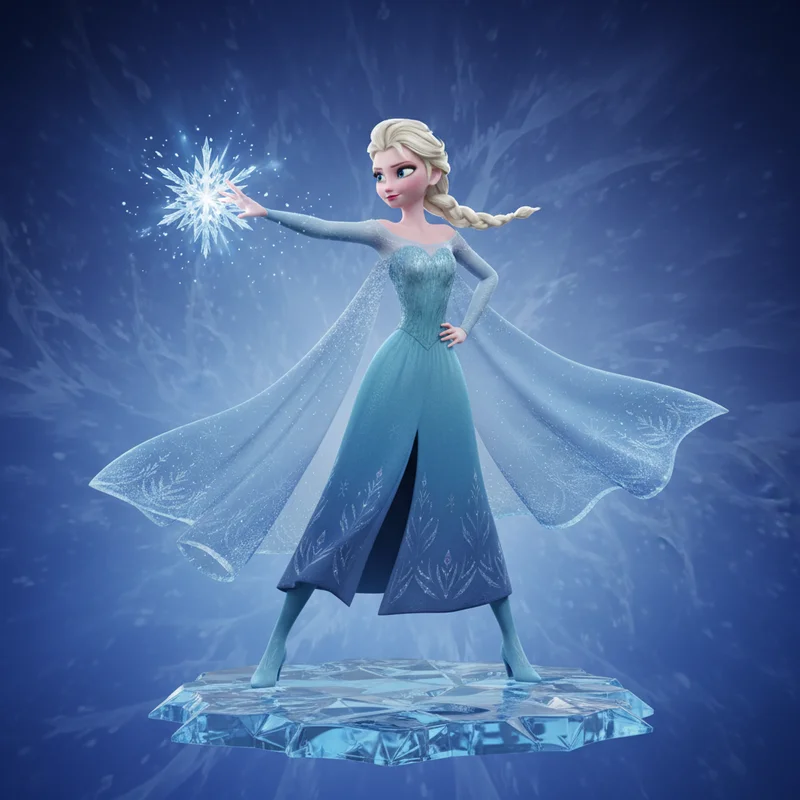
Elsa possesses what can only be described as absolute cryokinetic sovereignty. Her abilities, first manifested in early childhood, allow for the spontaneous generation of ice and snow through mechanisms that flagrantly violate the first law of thermodynamics. She has demonstrated the capacity to create sentient snow creatures, construct architecturally sound ice palaces, and plunge entire kingdoms into perpetual winter—all without apparent caloric expenditure.
The scale of her thermal manipulation defies quantification. A single emotional outburst can blanket a Nordic fjord in meters of snow, whilst a focused effort created an ice staircase capable of supporting human weight. From a pure physics standpoint, Elsa represents an unlimited source of negative thermal energy, making her perhaps the most dangerous individual ever animated by Disney's studios.