Topic Battle

Where Everything Fights Everything

Coffee

Coffee

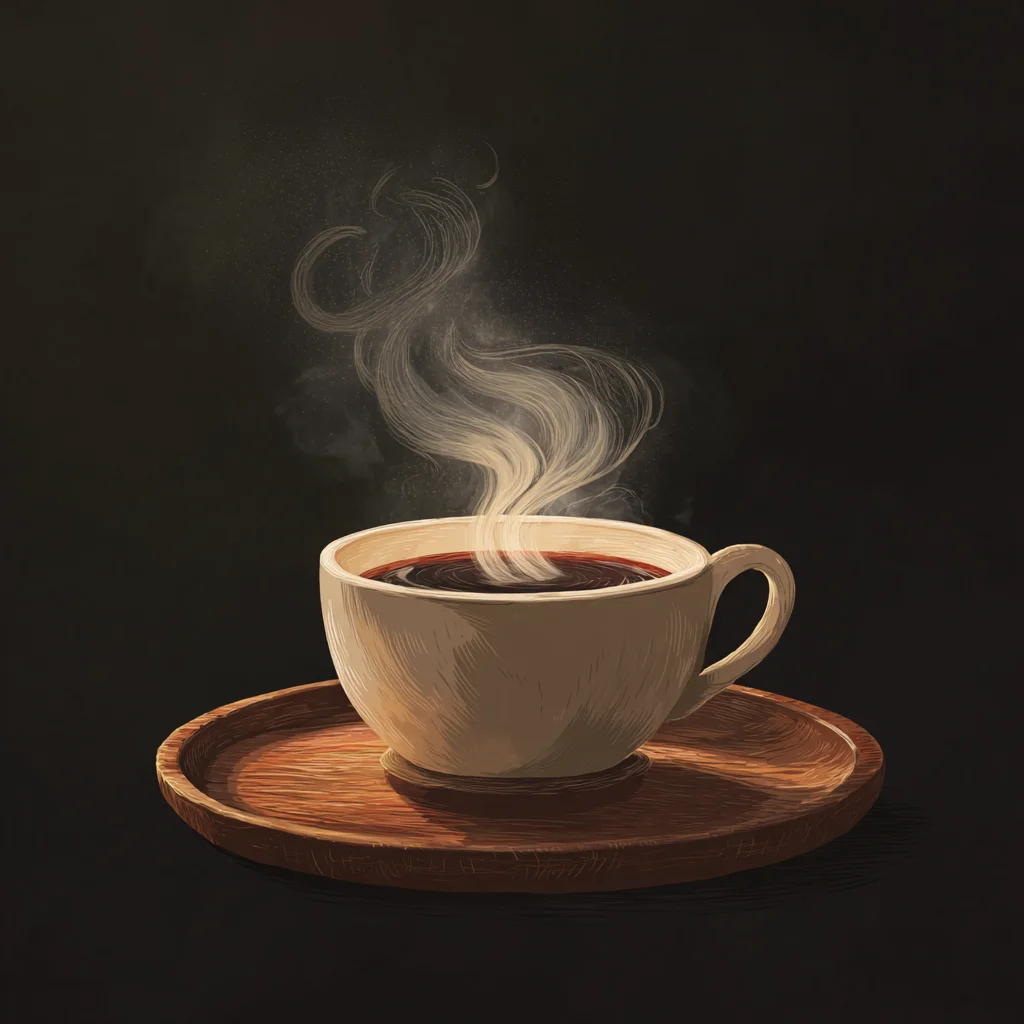
A brewed drink prepared from roasted coffee beans, the seeds of berries from certain Coffea species. The world's second-most traded commodity.

VS
Espresso

Espresso

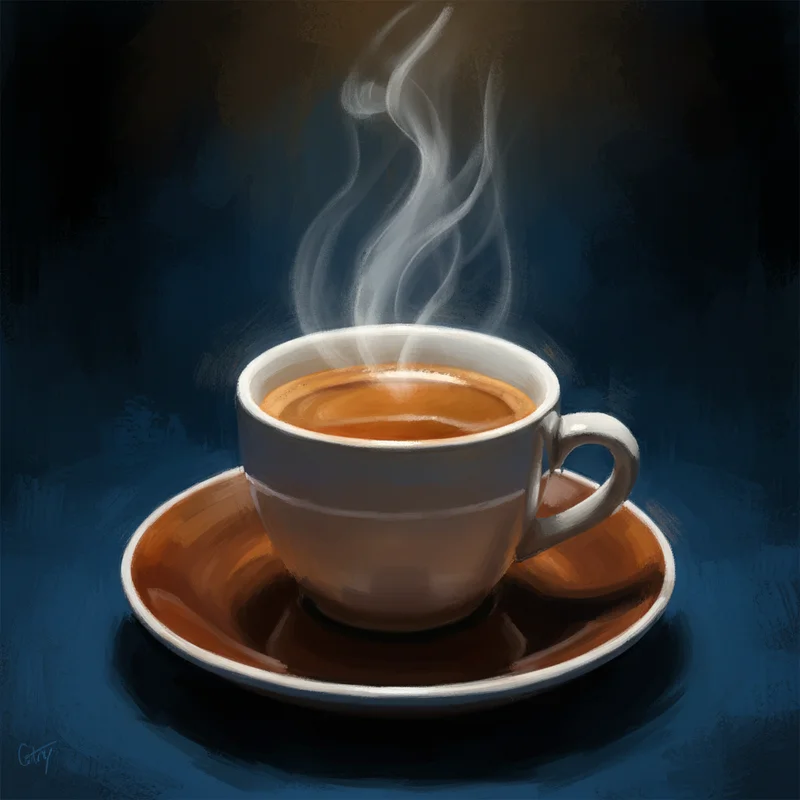
Concentrated coffee shot powering morning routines.

Battle Analysis

Versatility Espresso Wins
30%
70%
Coffee Espresso

Coffee

Drip coffee serves primarily as a solo act. It may be consumed black, with milk, or sweetened, but these modifications represent variations on a theme rather than transformations. Iced coffee extends utility into warmer months. Cold brew offers an alternative preparation method. Yet drip coffee rarely serves as a foundation for elaborate creations—it is complete unto itself, requiring nothing beyond optional accompaniments.

Espresso

Espresso functions as the universal base of coffee culture. The latte, cappuccino, flat white, macchiato, cortado, and Americano all begin with espresso. Add steamed milk in various ratios, and entirely new beverages emerge. This versatility has spawned a global industry of speciality coffee shops. A single espresso machine can produce dozens of distinct drinks, each with devoted followings. The espresso shot is not merely a beverage but an ingredient.

VERDICT

Espresso's role as the foundation for the entire speciality coffee industry represents versatility drip coffee cannot match. One base, infinite expressions—this multiplicative potential delivers a decisive advantage.

Flavour complexity Espresso Wins
30%
70%
Coffee Espresso

Coffee

The prolonged extraction time of drip brewing—typically 4-6 minutes—allows water to dissolve a broad spectrum of flavour compounds. Lighter roasts reveal floral and fruity notes; medium roasts offer chocolate and caramel; darker roasts present smoky, bitter characteristics. The larger volume permits subtle flavours to unfold gradually across the palate. However, the dilution inherent in drip brewing means certain volatile aromatics dissipate before reaching the tongue.

Espresso

The high-pressure extraction captures flavour compounds that water alone cannot liberate. The resulting crema—that golden foam crowning properly pulled shots—contains aromatic oils suspended in emulsion, delivering olfactory complexity impossible in filtered coffee. A single espresso exhibits distinct top notes, body characteristics, and finish. Master baristas describe espresso as coffee in its most honest form, with no water to hide defects or dilute nuance.

VERDICT

Pressure extraction concentrates not merely caffeine but flavour compounds inaccessible through gravity brewing. The crema layer alone contains aromatic oils that drip coffee cannot capture, giving espresso an empirical advantage in complexity.

Caffeine efficiency Espresso Wins
30%
70%
Coffee Espresso

Coffee

A standard 240ml cup of drip coffee contains approximately 95-200mg of caffeine, delivered gradually as the drinker consumes the full volume. This extended intake creates a gentler absorption curve, providing sustained alertness over 30-45 minutes of consumption. The efficiency per millilitre stands at roughly 0.4-0.8mg/ml. For those seeking prolonged wakefulness without intensity spikes, drip coffee offers a marathon approach to stimulation.

Espresso

A single 30ml espresso shot delivers 63-75mg of caffeine in concentrated form—approximately 2.1-2.5mg per millilitre. This represents a threefold increase in caffeine density compared to drip coffee. The rapid consumption window means the full dose enters the system within seconds rather than minutes. For time-pressed professionals requiring immediate cognitive enhancement, espresso functions as precision-targeted stimulation.

VERDICT

Despite containing less total caffeine per serving, espresso's concentrated delivery mechanism wins on efficiency grounds. The speed of consumption and density of active compounds make it the superior choice for those valuing caffeine-per-second metrics.

Cultural significance Coffee Wins
70%
30%
Coffee Espresso

Coffee

The coffee break represents a cornerstone of modern labour relations—a legally protected pause in many jurisdictions. American diners, Scandinavian fika tradition, and office culture globally revolve around the humble cup. Filter coffee built empires: Folgers, Maxwell House, and countless regional roasters. The bottomless cup remains an American institution, symbolising abundance and hospitality. In sheer volume consumed, drip coffee moves markets.

Espresso

Espresso carries the weight of Italian cultural heritage—protected, codified, and defended with patriotic fervour. The Italian espresso ritual, consumed standing at the bar, represents a philosophy of efficiency and quality. Third-wave coffee movements worldwide have adopted espresso as their standard-bearer. The barista has achieved artisan status, with international competitions and celebrity practitioners. Espresso speaks of craft, precision, and intention.

VERDICT

Volume and reach determine cultural footprint. Drip coffee permeates more spaces—homes, offices, diners, and petrol stations—than espresso ever could. Its ubiquity has shaped workplace culture and social customs across more territories and demographics.

Preparation accessibility Coffee Wins
70%
30%
Coffee Espresso

Coffee

Drip coffee represents democratic caffeine. Basic equipment costs under twenty pounds, requiring no specialised training. Automatic machines eliminate human error entirely—add water, add grounds, press button, wait. The margin for catastrophic failure remains remarkably narrow. Even suboptimal ratios produce drinkable results. This accessibility has made drip coffee the backbone of workplace productivity across six continents.

Espresso

Proper espresso demands investment on multiple fronts: equipment costing hundreds to thousands of pounds, freshly roasted beans, a capable grinder, and technique developed over months of practice. Variables include dose, yield, extraction time, pressure, and temperature. Amateur attempts frequently produce bitter, under-extracted, or watery results. The skill barrier, while ultimately rewarding, excludes casual participants from achieving excellence.

VERDICT

On pure accessibility metrics, drip coffee dominates decisively. Lower equipment costs, simpler technique, and forgiving error margins make it the beverage of the masses. Espresso's excellence requires commitment many cannot or will not provide.

👑

The Winner Is

Espresso

45 - 55

The contest between coffee and espresso ultimately reveals a tale of different excellences. Drip coffee wins on accessibility and cultural penetration, having woven itself into the fabric of modern working life. Its forgiving nature and democratic availability have made caffeine a universal commodity.

Yet espresso claims victory in the categories that matter most to discerning consumers: caffeine efficiency, flavour complexity, and versatility. Its concentrated intensity, aromatic depth, and role as the foundation for an entire industry of beverages tip the scales decisively. The additional investment in equipment and skill yields proportionally greater returns.

By a margin of 55% to 45%, espresso emerges as the superior expression of the coffee bean—not because drip coffee fails, but because pressure extraction simply unlocks more of what the Coffea plant offers. For those willing to invest, espresso rewards with complexity drip coffee cannot match.

Coffee
45%
Espresso
55%

Share this battle

More Comparisons