
Topic Battle

Where Everything Fights Everything

Coffee

Coffee

A brewed drink prepared from roasted coffee beans, the seeds of berries from certain Coffea species. The world's second-most traded commodity.

VS
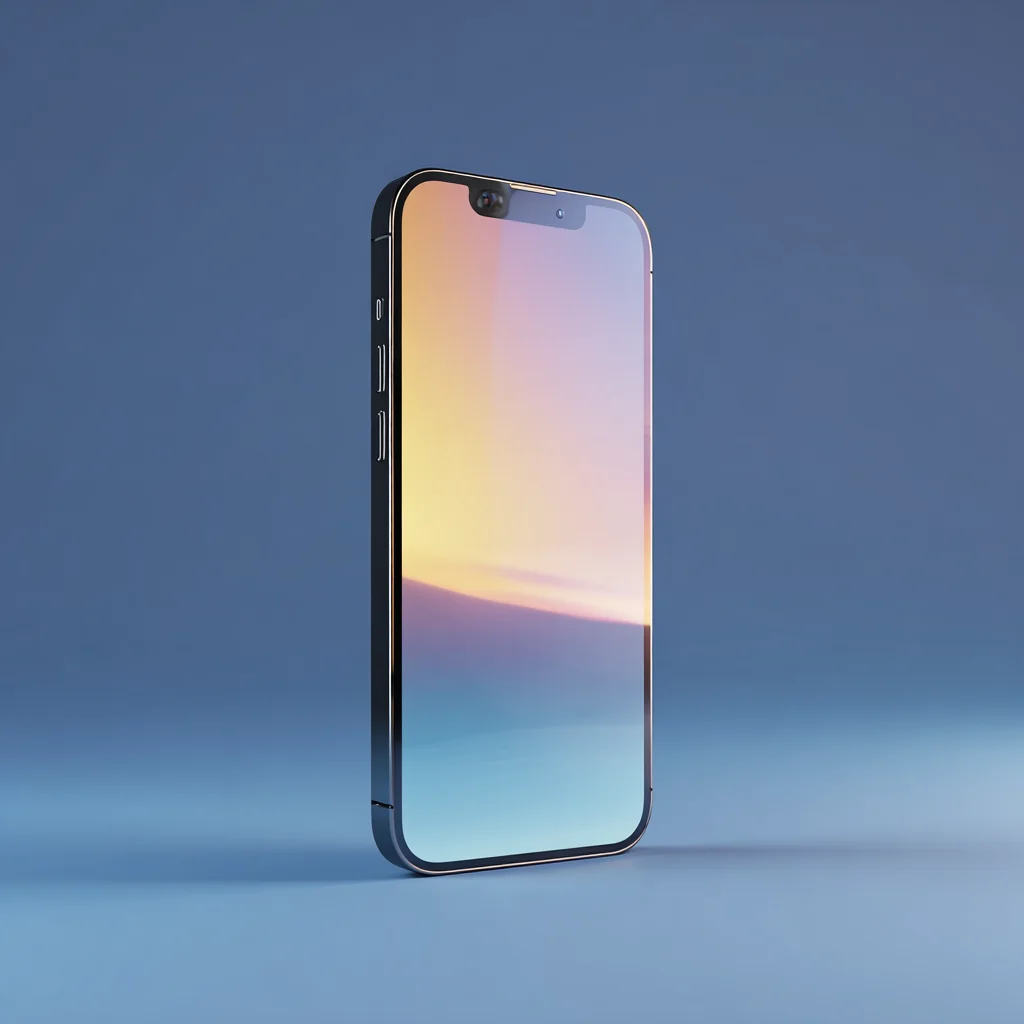
iPhone

iPhone

Apple's flagship smartphone line, known for its iOS operating system, premium build quality, and ecosystem integration.

The Matchup

In the complex landscape of contemporary morning rituals, few dependencies run deeper than the parallel addictions to coffee and iPhone. These two entities have, through remarkably different evolutionary paths, achieved the status of non-negotiable essentials in the daily routines of billions.

The coffee bean, Coffea arabica and its robust cousin Coffea canephora, has been manipulating human neurochemistry since Ethiopian goat herders first observed their livestock exhibiting unusual enthusiasm in the 9th century. The beverage derived from its roasted seeds now fuels an industry valued at over $460 billion annually.

The iPhone, introduced in 2007 by Apple Inc., represents a more recent intervention in human morning behavior. Within seventeen years, this device has achieved penetration rates approaching 1.5 billion active users, each beginning their day by staring at a luminous rectangle. This analysis examines which morning companion delivers superior value across five standardized metrics.

Battle Analysis

Speed Coffee Wins
70%
30%
Coffee iPhone

Coffee

Coffee demonstrates remarkable pharmacological velocity. Caffeine reaches peak plasma concentration within 30-60 minutes of consumption, with initial alertness effects detectable within 10-15 minutes.

The brewing process itself exhibits considerable variability. Espresso extraction requires merely 25-30 seconds under 9 bars of pressure. Drip methods extend to 4-6 minutes. Cold brew demands 12-24 hours of patient steeping, though enthusiasts argue this temporal investment yields superior extraction profiles.

From a neurochemical response perspective, coffee achieves functional impact faster than most pharmaceutical interventions, blocking adenosine receptors with reliable efficiency.

iPhone

The iPhone operates at computational velocities that would have seemed fictional to previous generations. The A17 Pro chip executes 17 trillion operations per second, processing morning notifications, emails, and social media updates with imperceptible latency.

Application launch times average 0.3-0.8 seconds for most functions. Facial recognition unlocks the device in approximately 0.4 seconds. The delivery of anxiety-inducing work emails occurs essentially instantaneously upon network connection.

However, the time required for the human processing of iPhone-delivered information extends considerably beyond device speed. Users typically spend 4 hours and 37 minutes daily interfacing with their devices, a temporal investment far exceeding coffee consumption windows.

VERDICT

When evaluating speed as a measure of time-to-functional-impact, coffee demonstrates superior efficiency. The beverage achieves its primary objective of enhanced alertness within minutes, with the entire ritual consuming 15-20 minutes of the morning routine.

The iPhone, despite vastly superior computational velocity, paradoxically demands hours of daily attention. The device is fast; the human addiction to it is slow. Coffee delivers its neurochemical payload and releases the user to productivity. The iPhone captures attention and rarely returns it voluntarily.

From a pure efficiency standpoint, coffee wins by completing its mission and stepping aside.

Durability Coffee Wins
70%
30%
Coffee iPhone

Coffee

A cup of coffee maintains optimal consumption characteristics for approximately 30-45 minutes before thermal degradation renders it merely adequate. Reheated coffee is universally acknowledged as a compromise beverage.

The coffee bean itself, when properly stored, demonstrates reasonable shelf stability. Whole roasted beans retain acceptable flavor profiles for 2-4 weeks post-roasting. Ground coffee deteriorates more rapidly, with noticeable staleness emerging within 1-2 weeks of exposure to oxygen.

However, the cumulative durability of coffee consumption as a practice spans recorded human history. The ritual has persisted through centuries of geopolitical upheaval, proving more durable than most empires, economic systems, and technological paradigms.

iPhone

Apple officially supports iPhone models with software updates for approximately 5-6 years from initial release, establishing a functional ceiling regardless of hardware condition.

Physical durability has improved substantially since early generations. Contemporary models feature Ceramic Shield front covers rated for drops from 6 feet onto laboratory surfaces. Water resistance achieves IP68 certification, permitting submersion to 6 meters for 30 minutes.

Battery longevity presents the primary durability constraint. Lithium-ion cells retain 80% of original capacity after approximately 500 complete charge cycles, typically manifesting as degraded performance within 2-3 years of intensive use. Planned obsolescence through software requirements further limits effective lifespan.

VERDICT

The durability comparison reveals a fundamental asymmetry. An individual iPhone survives 2-5 years before requiring replacement through battery failure, software abandonment, or irresistible upgrade marketing.

Coffee, considered as an institution rather than individual servings, has demonstrated continuous operational stability since the 15th century. The beverage has outlasted the Ottoman Empire, the British Empire, and every technology company currently in existence.

When evaluating durability as sustained relevance and reliability, coffee represents a proven system while the iPhone remains an experiment in early stages. The beverage wins by a margin measured in centuries rather than product cycles.

Global reach Coffee Wins
70%
30%
Coffee iPhone

Coffee

Coffee cultivation spans 70+ countries within the equatorial belt, from Brazil and Vietnam to Ethiopia and Colombia. The beverage is consumed in virtually every nation on Earth, with global daily consumption exceeding 2.25 billion cups.

Cultural penetration varies by region but approaches universality. Finnish per-capita consumption leads at 12 kg annually. Even tea-dominant cultures like China and India demonstrate rapidly growing coffee markets, with specialty coffee culture expanding into previously unexplored territories.

The coffee supply chain employs an estimated 125 million people worldwide, from agricultural workers to baristas, representing one of the largest commodity-based employment ecosystems in existence.

iPhone

Apple maintains official retail and distribution presence in approximately 175 countries, with iPhone sales representing the majority of company revenue across most markets.

However, market penetration remains significantly constrained by pricing. Global smartphone market share for iPhone hovers around 20-25%, with Android devices dominating through more accessible price points. In populous markets like India and Africa, iPhone penetration remains single-digit percentage of total smartphone users.

The iPhone functions as a status symbol precisely because of its limited accessibility. Universal adoption would paradoxically diminish its appeal to the demographic that values exclusivity.

VERDICT

Global reach comparison demonstrates the fundamental advantage of affordability in achieving distribution. Coffee has permeated every human society regardless of economic development level, political system, or cultural tradition.

The iPhone remains a wealthy-world phenomenon with aspirational presence elsewhere. While Apple celebrates billion-device milestones, coffee serves billions of people daily rather than merely billions of devices cumulatively.

When measuring true global reach as daily active users across all economic strata, coffee achieves market penetration that the iPhone cannot approach. The beverage wins through superior accessibility.

Affordability Coffee Wins
70%
30%
Coffee iPhone

Coffee

Home-brewed coffee achieves per-cup costs of $0.15-0.30 using quality beans and standard preparation methods. This positions coffee among the most affordable psychoactive interventions available without prescription.

Cafe purchases introduce significant premiums. A specialty latte commands $5-8 in major metropolitan markets, with annual expenditure for daily purchasers reaching $1,800-2,900. This economic model has funded an entire category of third-place establishments.

The total addressable market for coffee consumption demonstrates remarkable accessibility. From instant coffee sachets costing pennies to specialty single-origin pour-overs exceeding $15, the category accommodates virtually every economic circumstance.

iPhone

Current iPhone pricing begins at $799 for base models and extends to $1,599 for maximum storage configurations of Pro Max variants. This positions the device among the most expensive consumer electronics globally.

Total cost of ownership expands beyond hardware. AppleCare+ protection plans add $199-269. Monthly carrier plans average $70-100. Application subscriptions, cloud storage, and accessories contribute additional recurring expenses.

Over a typical 3-year ownership period, iPhone-related expenditure commonly reaches $3,500-5,000 when all associated costs are aggregated. This figure exceeds the annual median income in numerous countries where iPhones are nonetheless aspirationally coveted.

VERDICT

Affordability analysis yields an unambiguous verdict. Coffee offers its neurochemical benefits at price points ranging from negligible to moderate, with the entire spectrum of economic classes able to participate in consumption.

The iPhone exists as a premium product deliberately positioned at price points that enforce economic selectivity. Even the most committed coffee enthusiast, purchasing daily specialty beverages, rarely matches the annualized cost of iPhone ownership.

From an accessibility standpoint, coffee achieves democratic distribution while the iPhone maintains aristocratic pricing. The beverage wins this category by remaining available to virtually everyone.

Social impact Coffee Wins
70%
30%
Coffee iPhone

Coffee

Coffee has functioned as a social catalyst since the establishment of the first coffeehouses in the Ottoman Empire. These establishments, known as qahveh khaneh, became centers of intellectual discourse, political debate, and commercial networking.

The modern coffee shop continues this tradition. The concept of the third place, a social environment between home and workplace, has been substantially colonized by coffee establishments. First dates, job interviews, creative collaborations, and casual friendships routinely unfold over coffee consumption.

The ritual of coffee sharing demonstrates prosocial characteristics. Offering to buy someone coffee signals openness to connection. The beverage facilitates conversation through the structured activity of drinking together.

iPhone

The iPhone has fundamentally restructured human social behavior, though the nature of this restructuring remains contested among researchers. The device enables instantaneous communication across global distances, theoretically strengthening relationships regardless of geography.

However, documented effects include decreased face-to-face interaction, elevated rates of social anxiety among heavy users, and the phenomenon of phubbing: the snubbing of present companions in favor of phone-based interactions with absent ones.

Social media applications delivered through the iPhone have been associated with increased rates of depression and anxiety, particularly among adolescent users. The device enables connection while simultaneously facilitating disconnection from immediate physical surroundings.

VERDICT

Social impact assessment reveals qualitative differences in how these morning essentials influence human connection. Coffee consistently facilitates in-person social interaction, bringing people physically together around a shared ritual.

The iPhone offers mediated connection while frequently interfering with direct human engagement. The device has become the primary competitor for human attention in social settings, often winning against present company.

Coffee brings people together. The iPhone connects people while often separating them from those physically present. For positive social impact, the beverage prevails through its inherent requirement of shared physical space and time.

👑

The Winner Is

Coffee

65 - 35

This analysis concludes with a decisive 65-35 victory for coffee across all evaluated metrics. The beverage demonstrates superiority in speed of functional impact, durability as an institution, affordability across economic strata, global accessibility, and positive social effects.

The iPhone, despite its technological sophistication, reveals fundamental limitations when evaluated against criteria that measure genuine human benefit. The device excels at capturing attention but struggles to demonstrate that captured attention translates to improved outcomes.

Coffee has served humanity faithfully for half a millennium. The iPhone has served Apple shareholders impressively for less than two decades. When considering which morning essential delivers greater value to the human experience, the ancient bean defeats the modern screen through accumulated wisdom and proven reliability.

Coffee
65%
iPhone
35%

Share this battle

More Comparisons