Coffee
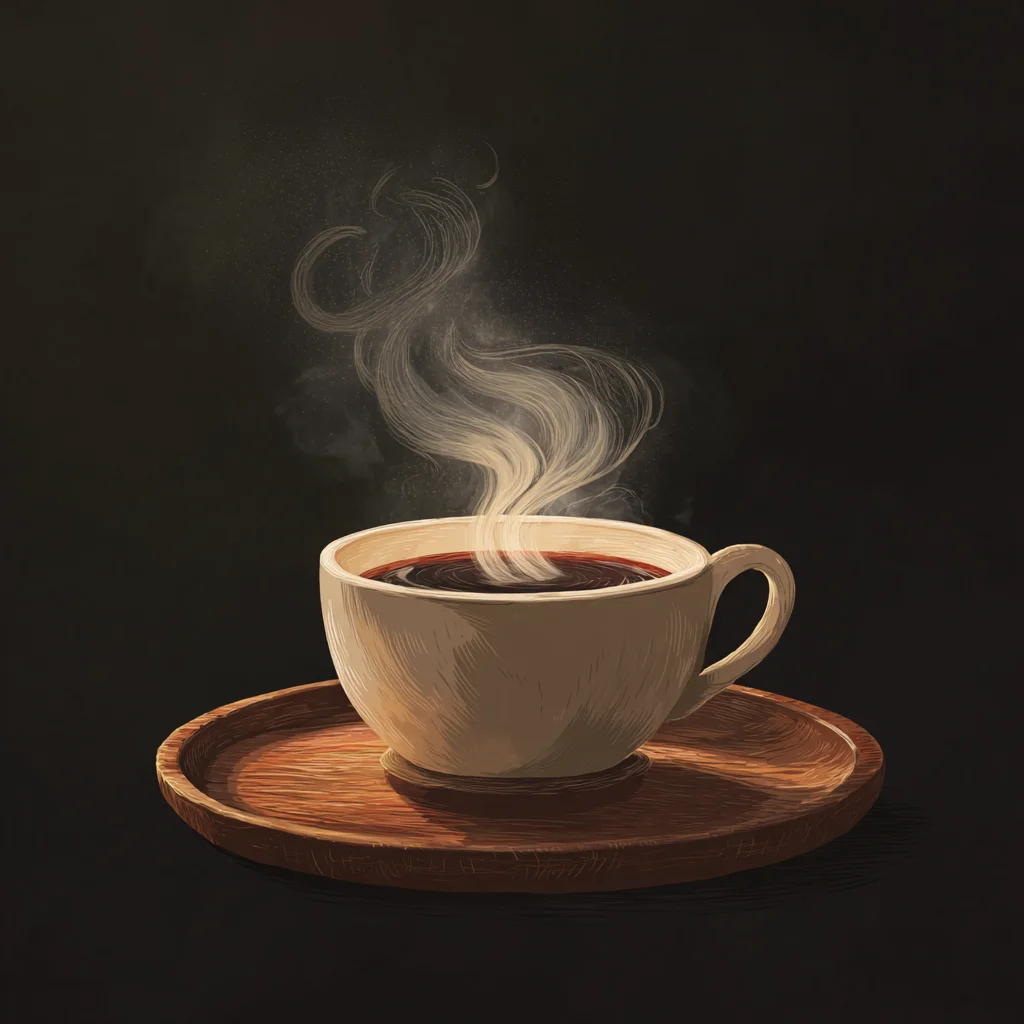
Coffee delivers its primary effects with remarkable efficiency. Caffeine reaches peak plasma concentration within 30-60 minutes of consumption, crossing the blood-brain barrier to begin adenosine receptor antagonism almost immediately upon absorption.
The compound's half-life of 5-6 hours ensures sustained performance enhancement, with measurable improvements in reaction time, cognitive processing speed, and motor function. Studies indicate a 12% improvement in physical performance metrics following caffeine consumption. The speed of preparation varies from 2 minutes for instant varieties to 4 minutes for espresso-based beverages.
Lion
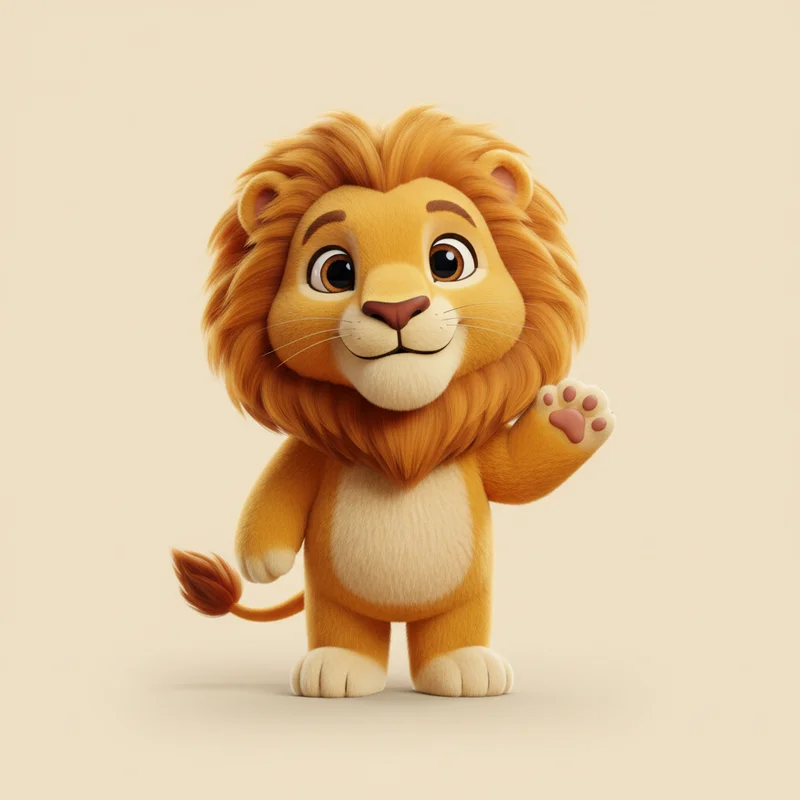
The lion achieves a maximum velocity of 50 mph in short bursts, ranking among the fastest large cats. However, this speed can only be maintained for approximately 300 feet before exhaustion sets in, a significant limitation for sustained pursuit.
Acceleration from rest to top speed occurs within 3-4 seconds, enabling effective ambush predation. The species compensates for limited endurance through cooperative hunting strategies, with lionesses achieving 30% higher success rates when hunting in coordinated groups. Despite impressive raw velocity, the lion spends 20 hours daily at rest, significantly limiting practical speed applications.
VERDICT
While the lion's raw velocity exceeds any reasonable expectation for a caffeinated beverage, coffee's speed of effect delivery and duration of enhancement provide superior practical value. The lion can sprint at 50 mph but only for seconds; coffee delivers enhanced performance for hours.
Furthermore, coffee's ability to improve human speed metrics effectively transfers its velocity benefits to its consumers. Through this mechanism, coffee has indirectly contributed to countless athletic records and emergency responses. The lion's speed, while impressive, remains non-transferable to human users.