
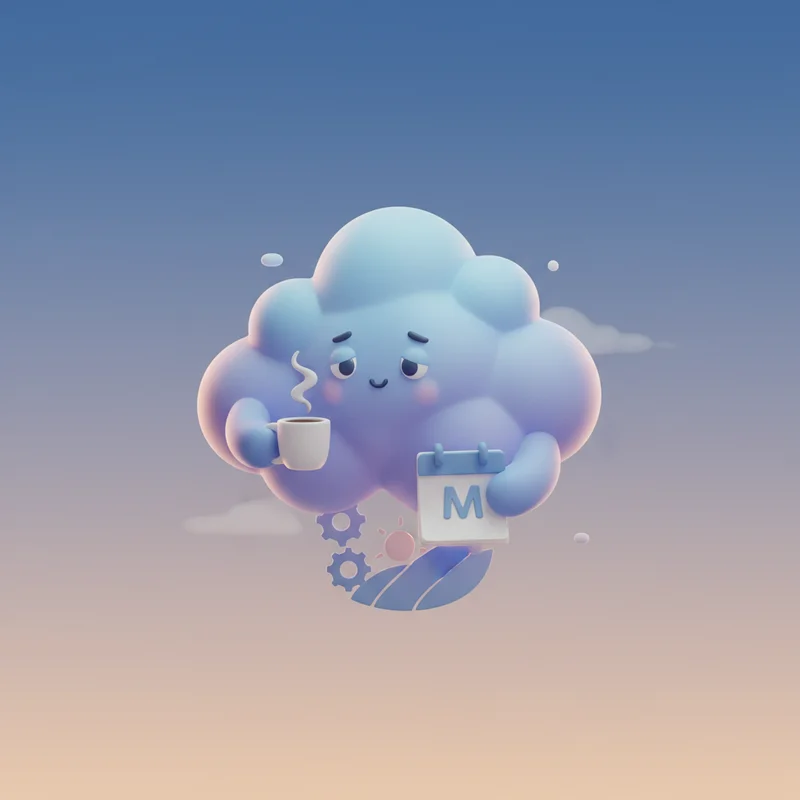
Coffee
Coffee demonstrates exceptional reliability as a chemical delivery system. The beverage contains caffeine in concentrations ranging from 95 to 200 milligrams per standard cup, with absorption into the bloodstream occurring within 15-45 minutes of consumption. This pharmacological predictability has made coffee the cornerstone of morning rituals across six continents.
The reliability extends to procurement. Modern supply chains have achieved remarkable consistency, with coffee available at over 35,000 Starbucks locations, countless independent cafes, petrol stations, hospital waiting rooms, and any other venue where humans might find themselves requiring chemical fortification. Even in remote locations, instant coffee powder provides a reliable, if aesthetically compromised, backup option.
However, coffee's reliability contains an embedded irony. The very consistency of its effects creates tolerance and dependency, requiring ever-increasing consumption to achieve baseline functionality. Regular consumers who miss their morning coffee report symptoms including headache, irritability, and what can only be described as a general inability to participate in civilization. The reliable solution has created a reliable problem.
Monday
Monday arrives with the absolute certainty of astronomical mechanics. Unlike coffee, which requires cultivation, harvesting, processing, and distribution, Monday simply occurs. It has done so since humanity first decided to organize time into seven-day cycles, and it will continue doing so until the rotation of Earth ceases or the Gregorian calendar undergoes fundamental revision.
This reliability manifests with clockwork precision. Every 168 hours, without exception, Monday returns. It does not require supply chains, quality control, or consumer demand. It cannot be depleted, postponed, or avoided through strategic scheduling. Those who attempt to flee Monday through international travel discover that it merely arrives in a different time zone, often compounded by jet lag.
The psychological reliability of Monday deserves particular note. Researchers have documented consistent patterns of decreased mood, reduced motivation, and impaired cognitive performance occurring specifically on this day. This reliability, while unwelcome, provides predictability that human scheduling systems have come to depend upon. Without Monday, the concept of the weekend loses structural meaning.
VERDICT
When evaluating pure reliability, Monday achieves a perfect score through existential inevitability. Coffee, despite remarkable supply chain achievements, remains subject to crop failures, shipping disruptions, and the occasional barista who fails to understand the critical importance of their role in maintaining social order.
Monday requires no maintenance, no cultivation, and no human intervention. It is, in the strictest sense, more reliable than sunrise, as even our star will eventually exhaust its hydrogen supply while the abstract concept of Monday will persist as long as calendars exist. This victory, like Monday itself, arrives whether we wish it to or not.