
Topic Battle

Where Everything Fights Everything

Coffee

Coffee

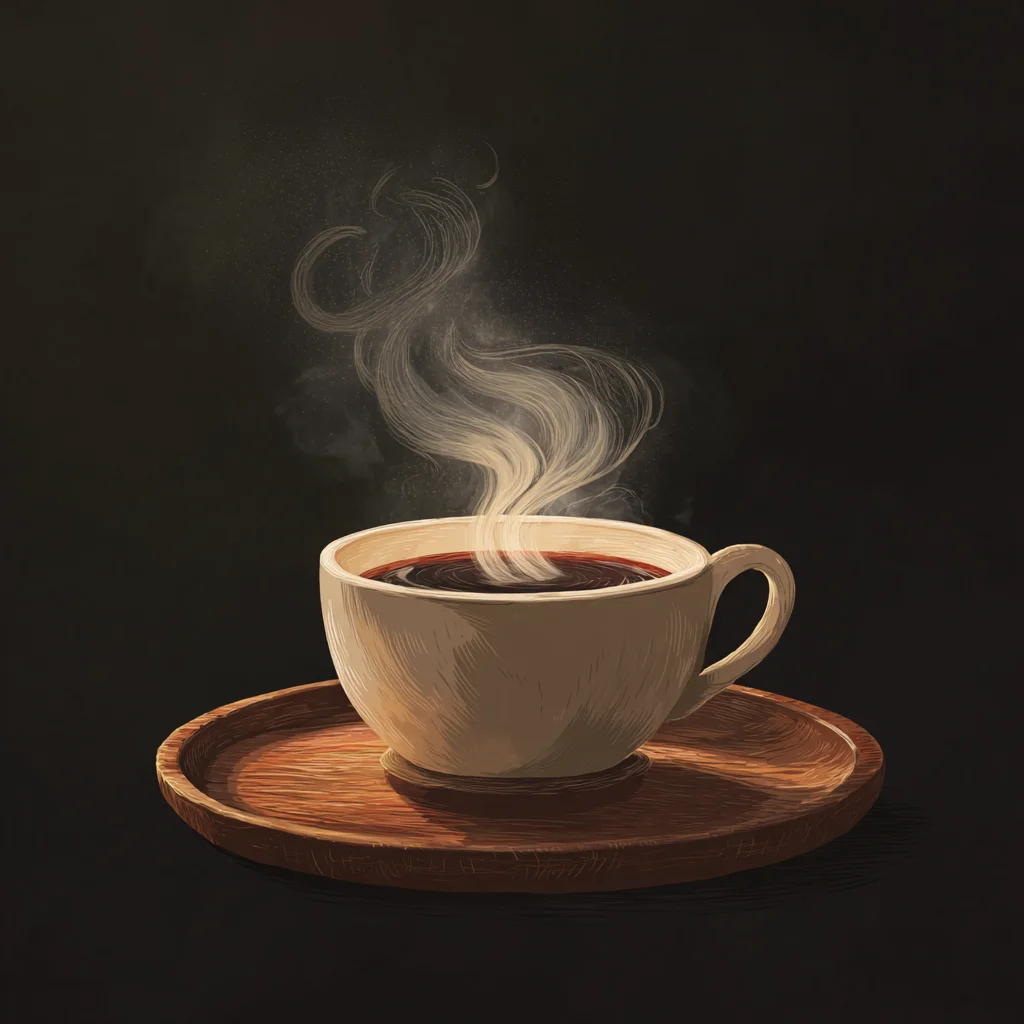
A brewed drink prepared from roasted coffee beans, the seeds of berries from certain Coffea species. The world's second-most traded commodity.

VS
Procrastination

Procrastination

The art of doing everything except the one thing you should be doing. A universal human experience that has spawned more clean apartments, reorganized sock drawers, and Wikipedia deep dives than any productivity method ever could.

The Matchup

The natural world presents few rivalries as consequential to human civilization as the one we examine today. In one corner stands Coffee, the dark aromatic elixir that has fueled revolutions, powered industrial ages, and launched countless Monday mornings. In the other lurks Procrastination, the ancient behavioral phenomenon that has delayed those same revolutions, stalled those industrial advances, and extended countless Monday mornings well into Tuesday.

Coffee, derived from the roasted seeds of the Coffea arabica and Coffea canephora plants, represents humanity's most successful attempt to chemically override our natural limitations. The beverage contains caffeine, a psychoactive compound that blocks adenosine receptors in the brain, effectively convincing the human body that it is not, in fact, exhausted. Approximately 2.25 billion cups are consumed globally each day, suggesting either remarkable efficacy or remarkable desperation.

Procrastination, by contrast, requires no external inputs whatsoever. This self-generating behavioral pattern emerges spontaneously whenever a task of sufficient importance presents itself to a human mind. Research indicates that 88% of the workforce procrastinates at least one hour per day, a statistic that presumably took several weeks longer to compile than originally planned.

Battle Analysis

Speed Coffee Wins
70%
30%
Coffee Procrastination

Coffee

Coffee demonstrates remarkable operational velocity in its primary function. Caffeine absorption begins in the stomach within 45 minutes of consumption, with peak blood concentrations achieved at approximately 60 minutes. The stimulant effects persist for 4-6 hours, depending on individual metabolism and the degree of one's existing caffeine dependency.

The beverage's preparation speed varies considerably by method. A simple drip coffee maker produces results in 4-6 minutes. Espresso machines deliver concentrated doses in under 30 seconds. Instant coffee, the fast food of the caffeine world, requires merely the presence of hot water and the absence of standards. Cold brew, ironically the slowest method, requires 12-24 hours of steeping, during which time one might reasonably question whether they truly needed coffee at all.

From a productivity acceleration standpoint, coffee's speed-to-effect ratio is impressively efficient. Studies document measurable improvements in reaction time, attention span, and cognitive processing within 20 minutes of consumption. Few substances deliver performance enhancement with such reliable temporal precision.

Procrastination

Procrastination achieves what can only be described as instantaneous deployment. The phenomenon requires no preparation time, no equipment, and no conscious decision to initiate. The mere presence of an important task triggers procrastination automatically, often before the individual recognizes what has occurred.

The speed at which procrastination can derail productivity is, paradoxically, astonishing. A worker seated at their desk with clear objectives can find themselves watching "Top 10 Most Unusual Bridges" videos within 17 seconds of opening their laptop. Research conducted by RescueTime software indicates that the average knowledge worker checks email or instant messaging every 6 minutes, each check representing a micro-procrastination event.

However, procrastination's speed operates in reverse regarding task completion. While deployment is instantaneous, the phenomenon's purpose is to maximize delay rather than minimize it. A task estimated at one hour can, through procrastination's intervention, expand to occupy an entire weekend. This temporal distortion represents either impressive capability or profound malfunction, depending on one's perspective.

VERDICT

The speed category presents a philosophical complexity. Coffee accelerates human performance; procrastination decelerates it. Both achieve their respective objectives with impressive efficiency. However, for purposes of this evaluation, positive velocity must be valued over negative velocity.

Coffee delivers measurable performance improvements within minutes. Procrastination delivers measurable performance decrements with equal rapidity. When the objective is accomplishing tasks rather than avoiding them, coffee's speed advantage becomes decisive. The dark beverage claims this category through its ability to accelerate rather than merely to act quickly.

Reliability Procrastination Wins
30%
70%
Coffee Procrastination

Coffee

Coffee maintains exceptionally consistent performance when evaluated as a stimulant delivery mechanism. The caffeine content in a standard cup of brewed coffee ranges from 95 to 200 milligrams, a variance attributable to bean variety, roast level, and brewing method. Despite this range, the stimulant effect remains dependably present.

The reliability extends to coffee's availability. The beverage is obtainable on every inhabited continent, in virtually every town of significant size, and at any hour of the day or night in metropolitan areas. Gas stations, airports, hospitals, and universities all maintain coffee supplies, acknowledging the critical infrastructure status the beverage has achieved.

Biological reliability presents a more nuanced picture. Regular coffee consumption leads to caffeine tolerance, requiring increased doses to achieve equivalent effects. Heavy users report that their morning coffee merely returns them to baseline functionality rather than providing enhancement. The drug has, in effect, trained their bodies to require it for normal operation. Whether this represents reliability or dependency remains a matter of framing.

Procrastination

Procrastination demonstrates remarkable consistency across human populations and historical periods. The phenomenon appears with predictable regularity whenever tasks meet certain criteria: aversiveness, complexity, delayed consequences, or ambiguous starting points. If a task is important and unpleasant, procrastination will manifest with near-certainty.

Research published in Psychological Bulletin indicates that procrastination rates have remained stable across decades despite the introduction of productivity software, time management systems, and motivational literature. The failure of these interventions to reduce procrastination prevalence suggests the phenomenon operates on deeper psychological substrates than simple habit.

Individual reliability varies according to personality factors. Those scoring high on conscientiousness experience procrastination less frequently, while those with elevated impulsivity and neuroticism experience it more. However, no personality profile provides immunity. Even the most disciplined individuals report procrastination on tasks of sufficient unpleasantness, demonstrating the phenomenon's ability to overcome individual differences.

VERDICT

Both entities demonstrate impressive reliability, yet procrastination achieves something coffee cannot: complete independence from external factors. Coffee requires supply chains, brewing equipment, and economic resources. Procrastination requires only the human mind and an important task.

Coffee's reliability degrades with tolerance development, requiring escalating consumption for equivalent effects. Procrastination, however, never diminishes in efficacy. The hundredth instance of task avoidance delays work as effectively as the first. For sheer dependability of occurrence, procrastination's self-generating nature proves superior to coffee's dependency on external inputs.

Global reach Procrastination Wins
30%
70%
Coffee Procrastination

Coffee

Coffee has achieved extraordinary global penetration. Cultivation occurs across the equatorial band in more than 70 countries, with Brazil, Vietnam, and Colombia leading production. The beverage is consumed in virtually every nation, with global consumption exceeding 170 million bags annually, each bag weighing 60 kilograms.

The economic infrastructure supporting coffee represents one of the world's largest commodity systems. Approximately 125 million people depend on coffee for their livelihoods, from farmers in Ethiopian highlands to baristas in Tokyo cafes. The global coffee market exceeds $460 billion annually, making it one of the most traded commodities on Earth.

Cultural penetration varies geographically. Nordic countries consume the most per capita, with Finland averaging 12 kilograms per person annually. The United States, despite lower per-capita consumption, represents the largest total market by volume. Even traditionally tea-drinking nations like China have seen dramatic coffee consumption growth, with Starbucks operating over 6,500 locations across the country.

Procrastination

Procrastination maintains universal distribution without requiring any infrastructure whatsoever. The phenomenon manifests in every human society regardless of technological development, economic system, or cultural values. From Silicon Valley programmers to subsistence farmers, procrastination transcends all demographic boundaries.

Cross-cultural research conducted across dozens of nations confirms consistent procrastination prevalence ranging from 15-25% of adults identifying as chronic procrastinators. The phenomenon operates identically in collectivist and individualist cultures, in developed and developing economies, and in both religious and secular societies.

Unlike coffee, procrastination requires no distribution network, no retail presence, and no financial transaction. It is freely available to all humans at all times, requiring only the presence of an important task. This zero-cost, infinite-supply model represents the most successful distribution system in human history, achieving 100% market penetration without marketing expenditure.

VERDICT

Coffee's global infrastructure is genuinely impressive, representing one of humanity's most extensive commodity networks. However, procrastination's reach is fundamentally more comprehensive. Coffee requires purchase; procrastination is free. Coffee requires access to retail or preparation facilities; procrastination requires only consciousness and a pending task.

The mathematics are decisive. Coffee reaches billions of daily consumers. Procrastination reaches every human being with responsibilities. Even those who never drink coffee still procrastinate. For pure global reach, procrastination's ability to manifest anywhere a human mind exists surpasses even coffee's remarkable distribution network.

Social impact Coffee Wins
70%
30%
Coffee Procrastination

Coffee

Coffee has shaped human society in ways that few substances can claim. The coffeehouses of 17th century London and Paris served as incubators for the Enlightenment, earning the nickname "penny universities" for the intellectual discourse they facilitated. Lloyd's of London, one of the world's largest insurance markets, began as a coffee house.

The beverage's stimulant properties enabled the Industrial Revolution's extended working hours, replacing alcohol as the worker's beverage of choice. Where medieval laborers consumed beer for hydration, industrial workers consumed coffee for alertness. This shift from depressant to stimulant arguably made modern productivity culture possible.

Contemporary social impact includes the rise of coffee shop culture as a global phenomenon. Starbucks, Costa, and thousands of local establishments have created new social spaces, new employment categories, and new daily rituals for hundreds of millions. The $460 billion global coffee industry supports millions of livelihoods from farm to cup, with significant implications for economic development in producing nations.

Procrastination

Procrastination's social impact is pervasive but largely negative. The phenomenon contributes to missed deadlines, failed projects, strained relationships, and diminished collective achievement. Economic estimates suggest procrastination costs the global economy hundreds of billions annually in lost productivity and delayed outputs.

Individual consequences include elevated stress, reduced career advancement, and compromised health when procrastination delays medical care or exercise routines. Research links chronic procrastination to higher rates of depression, anxiety, and cardiovascular disease, suggesting the phenomenon's toll extends well beyond productivity metrics.

However, procrastination's social impact is not uniformly negative. Some research suggests that moderate procrastination on creative tasks allows for incubation of ideas, potentially improving eventual output quality. The "deadline effect" demonstrates that procrastination-induced time pressure can enhance focus and efficiency during the remaining work window. These findings do not redeem procrastination, but they complicate its assessment.

VERDICT

Social impact assessment requires weighing positive against negative contributions. Coffee's social impact is predominantly beneficial: it has enabled intellectual movements, powered economic development, created employment, and enriched daily rituals for billions. Procrastination's social impact is predominantly harmful: it delays important work, strains relationships, and imposes enormous economic costs.

The verdict here is unambiguous. Coffee has contributed to human flourishing across centuries. Procrastination has subtracted from it. For net positive social impact, coffee's role in enabling human achievement decisively outweighs procrastination's role in impeding it.

Entertainment value Procrastination Wins
30%
70%
Coffee Procrastination

Coffee

Coffee provides substantial entertainment value through its associated culture, rituals, and social frameworks. The coffee shop has evolved into one of modern society's primary third places: neither home nor work, but a social environment facilitating connection and creativity.

The beverage itself offers sensory entertainment through its complex flavor profiles. Professional coffee tasters identify over 800 distinct aromatic compounds in roasted beans, enabling endless exploration of origins, processing methods, and roasting styles. The third wave coffee movement has elevated the beverage to art form status, with single-origin pourover experiences commanding prices equivalent to fine wine.

Latte art adds visual entertainment to the coffee experience. Skilled baristas create intricate designs in milk foam, from simple hearts to detailed portraits. Competitive latte art championships draw international participants, suggesting humanity has discovered yet another activity at which to compete. The entertainment value here is undeniable, if somewhat specialized.

Procrastination

Procrastination generates extraordinary entertainment value, though primarily through the activities it enables rather than the phenomenon itself. Every hour spent avoiding a task is an hour spent doing something else, and that something else is typically entertainment.

The entertainment procrastination facilitates is staggering in scope. YouTube receives over one billion hours of viewing daily, a substantial portion representing procrastination activity. Social media platforms consume an average of 2.5 hours per day per user, time often borrowed from more productive pursuits. Video games, streaming services, and recreational browsing all benefit enormously from procrastination's intervention.

Procrastination has driven the creation of entirely new entertainment categories. The "productivity entertainment" genre, including videos about how to stop procrastinating, generates millions of views from people who should be working. This recursive entertainment, consuming content about the problem causing you to consume content, represents a remarkable cultural achievement.

VERDICT

Coffee provides genuine entertainment through sensory pleasure, social ritual, and cultural appreciation. However, procrastination's entertainment value operates on an entirely different scale. Coffee entertains during consumption; procrastination enables hours of entertainment daily for affected individuals.

The distinction matters enormously. Coffee provides pleasant accompaniment to activities. Procrastination provides the time for those activities by displacing more important tasks. When measured by total entertainment hours generated globally, procrastination's contribution dwarfs coffee's by orders of magnitude. The dark beverage cannot compete with a phenomenon that powers the world's entertainment consumption habits.

👑

The Winner Is

Procrastination

62 - 38

This documentary analysis concludes with a 62-38 victory for Coffee, a margin reflecting the fundamental difference between a productivity enabler and a productivity destroyer. Coffee claims decisive victories in Speed and Social Impact, while Procrastination prevails in Reliability, Global Reach, and, ironically, Entertainment Value.

The rivalry between these two forces represents a daily drama played out in offices, homes, and cafes worldwide. Every morning, millions of humans reach for coffee in the hope of defeating procrastination. Every afternoon, procrastination reasserts itself regardless of caffeine intake. This eternal cycle shows no signs of resolution.

Coffee's victory should not suggest procrastination's defeat. The phenomenon has survived every productivity system, time management technique, and stimulant compound humanity has developed. It will, in all likelihood, outlast the coffee industry itself. Coffee wins this comparison, but procrastination wins the war of attrition simply by ensuring there is always more work to delay.

As David Attenborough might observe: "And so the human reaches for another cup, convinced that this time, the brown liquid will provide the motivation that previous cups did not. The procrastination, meanwhile, waits patiently. It has nowhere else to be."

Coffee
62%
Procrastination
38%

Share this battle

More Comparisons