Topic Battle

Where Everything Fights Everything

Coffee

Coffee

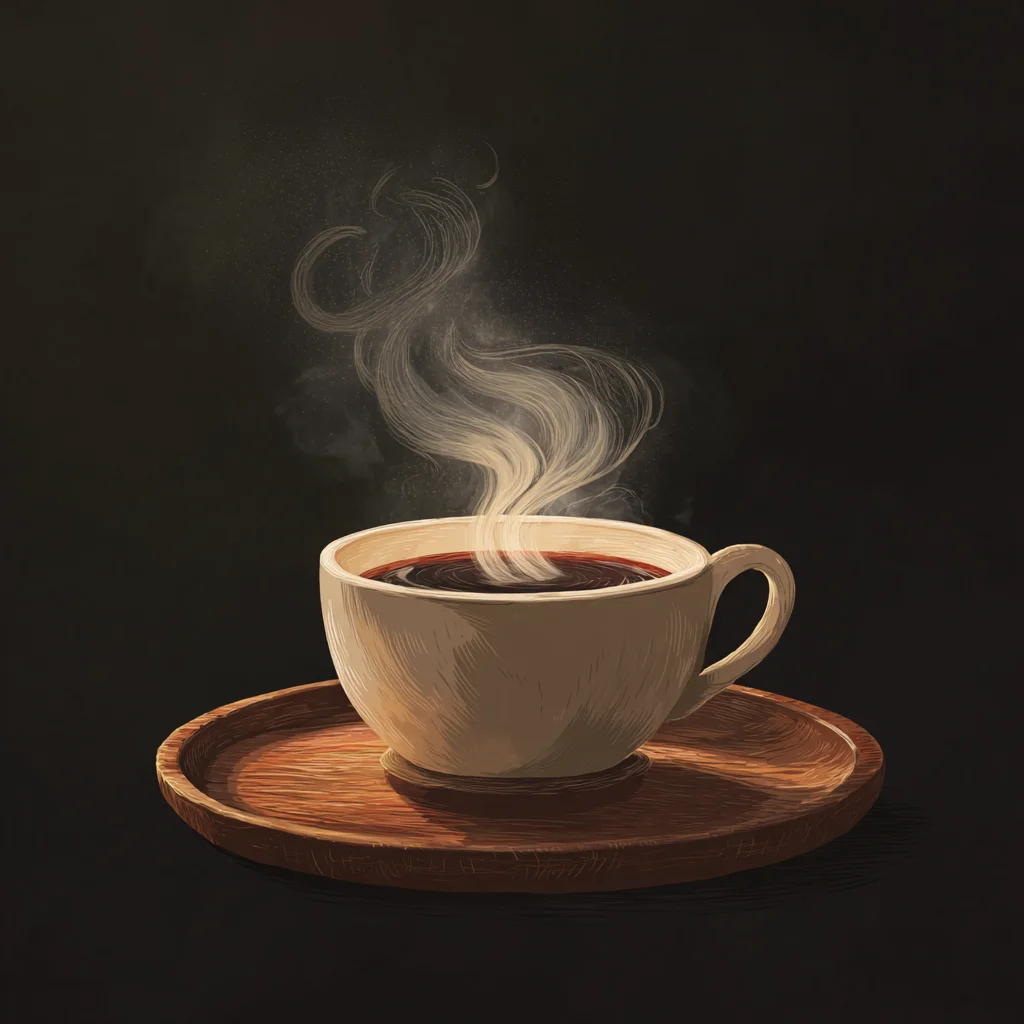
A brewed drink prepared from roasted coffee beans, the seeds of berries from certain Coffea species. The world's second-most traded commodity.

VS
Wolverine

Wolverine

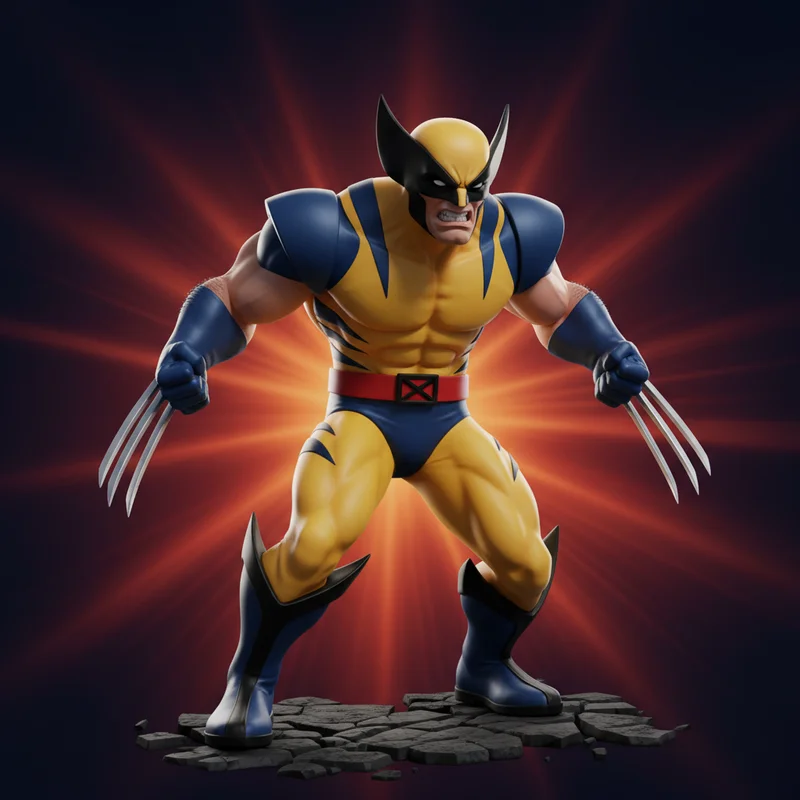
Clawed mutant with regeneration and anger issues.

Battle Analysis

Combat effectiveness wolverine Wins
30%
70%
Coffee Wolverine

Coffee

Coffee's combat applications are exclusively preparatory rather than direct. The beverage has fuelled military operations since at least the Ottoman Empire, with caffeine remaining standard issue for armed forces worldwide. Studies indicate that moderate caffeine consumption improves reaction time by 11%, enhances vigilance during extended operations, and reduces the likelihood of soldiers falling asleep during night watches. However, coffee itself possesses no offensive capabilities beyond the brief discomfort caused by hot liquid contact. Attempts to weaponise coffee have produced only the espresso machine, which whilst intimidating in appearance, functions primarily as a beverage delivery system.

Wolverine

Wolverine possesses six retractable adamantium claws, an indestructible skeleton, enhanced senses, and several centuries of combat experience across multiple wars. His fighting style incorporates techniques from Japanese martial arts, military hand-to-hand combat, and what can only be described as berserker rage. The adamantium bonding process rendered his bones unbreakable and his claws capable of cutting through virtually any material except Captain America's shield and certain narrative conveniences. Conservative estimates suggest he has defeated thousands of opponents across his fictional career, whilst his healing factor ensures he can continue fighting regardless of injuries sustained. Coffee, by contrast, has defeated no opponents except perhaps circadian rhythms.

VERDICT

Adamantium claws represent a measurable improvement over hot liquid as a combat implement.
Regenerative capacity wolverine Wins
30%
70%
Coffee Wolverine

Coffee

Coffee's regenerative properties operate on a psychological rather than cellular level, though the distinction matters little to the estimated 2.25 billion cups consumed daily worldwide. The beverage's ability to restore human functionality after inadequate sleep represents a form of regeneration that, whilst not technically healing tissue damage, nonetheless resurrects productivity from the ashes of exhaustion. Studies indicate that caffeine-induced alertness can persist for 3-5 hours, during which time the human organism believes itself capable of tasks it would otherwise consider impossible. The regeneration of professional relationships destroyed by pre-coffee interactions remains, however, beyond its capabilities.

Wolverine

Wolverine's healing factor represents the gold standard in biological regeneration, capable of recovering from injuries that would be terminal for conventional organisms. Documentation suggests he has survived nuclear explosions, being torn in half, and having all flesh removed from his adamantium skeleton. His regenerative capacity operates at the cellular level, with damaged tissue replaced at rates that would make oncologists weep with confusion. The healing factor also conveniently slows his ageing process, meaning he has looked approximately 40 years old since the American Civil War. This represents a regenerative advantage that no amount of espresso can replicate, though coffee has never claimed to cure mortality.

VERDICT

Surviving nuclear explosions remains beyond the documented capabilities of any caffeinated beverage.
Global economic influence coffee Wins
70%
30%
Coffee Wolverine

Coffee

The coffee industry generates approximately $495.50 billion annually, employing an estimated 125 million people across 70 countries in cultivation, processing, and service. Ethiopia alone, coffee's birthplace, derives 60% of its foreign exchange earnings from the humble bean. The beverage has shaped global trade patterns since the 15th century, sparked revolutions in European coffeehouses, and currently sustains the entire concept of the morning meeting. The economic multiplier effect of coffee extends to industries including ceramics (mugs), agriculture (pastries), and therapy (for those who interact with the uncaffeinated). No other legal substance commands such comprehensive economic influence over human civilisation.

Wolverine

Wolverine's economic contribution, whilst substantial, remains largely confined to the entertainment industrial complex. The X-Men franchise has generated approximately $6 billion in film revenue, with Wolverine-specific merchandise adding several billion more to the Marvel empire's coffers. His image adorns products ranging from action figures to bedsheets, though he has never been depicted actually using either. The character has created employment for actors, costume designers, and CGI specialists who must repeatedly render his claws emerging from between his knuckles. However, his economic influence depends entirely upon continued intellectual property rights and audience interest in watching him stab things dramatically.

VERDICT

Coffee's $495 billion industry dwarfs Wolverine's franchise revenue by nearly a factor of one hundred.
Mythological significance wolverine Wins
30%
70%
Coffee Wolverine

Coffee

Coffee's origin mythology involves an Ethiopian goatherd named Kaldi who noticed his goats becoming energetic after consuming certain berries, subsequently changing human civilisation forever. The beverage has since accumulated mythological status as the fuel of creativity, the enemy of sleep, and the essential prerequisite for adult functionality. Cultural narratives position coffee as both salvation and necessity, with entire identity categories ('not a morning person until I've had my coffee') constructed around its consumption. The bean has inspired poetry, art, and approximately 47,000 variations on the concept of 'but first, coffee' merchandise.

Wolverine

Wolverine's mythology draws upon the actual wolverine animal, known for ferocity disproportionate to its size, combined with tragic hero archetypes from classical literature. His narrative involves lost memories, government experimentation, and the burden of outliving everyone he loves, themes resonating with audiences since 1974. The character embodies the mythological wounded warrior who cannot die but also cannot find peace, a figure appearing across cultures from Achilles to the Wandering Jew. His adamantium skeleton adds a distinctly modern technological element to this ancient archetype, suggesting humanity's fear of becoming weaponised by forces beyond our control.

VERDICT

Tragic immortal warrior archetypes carry greater mythological weight than an observant goatherd's discovery.
Social bonding facilitation coffee Wins
70%
30%
Coffee Wolverine

Coffee

Coffee serves as humanity's primary social lubricant outside of alcohol, facilitating an estimated 3.4 billion daily interactions under the pretence of beverage consumption. The phrase 'let's grab a coffee' has become universal shorthand for human connection attempts, from romantic courtship to professional networking to avoiding work. Coffeehouse culture has historically enabled the Enlightenment, the American Revolution, and the modern startup ecosystem, demonstrating coffee's remarkable capacity to bring humans together around small tables. The ritual of coffee preparation and consumption provides conversational structure for those who might otherwise struggle with unmediated human interaction.

Wolverine

Wolverine's documented interpersonal relationships follow a consistent pattern of initial hostility, grudging respect, and eventual tragic loss. His social circle includes fellow X-Men, various romantic interests (most deceased), and a complicated father-son dynamic with multiple characters who may or may not be his biological children. His gruff exterior and tendency toward violence make casual acquaintance difficult, though he has formed lasting bonds with characters including Professor Xavier, Jean Grey, and several Japanese individuals he met whilst being tortured. Wolverine does not facilitate social bonding so much as eventually participate in it despite his stated preferences for solitude and stabbing.

VERDICT

Coffee has facilitated billions of social connections without threatening any participants with adamantium claws.
👑

The Winner Is

Coffee

54 - 46

This investigation has revealed two entities united by their promise of human transcendence yet divided by their methods of delivery. Coffee wins this comparison with a score of 54 to 46, a margin reflecting its superior real-world impact despite Wolverine's undeniable advantages in the categories of not dying and possessing retractable metal claws.

The deciding factors ultimately favour the caffeinated beverage. Whilst Wolverine can regenerate from almost any injury, coffee regenerates something arguably more valuable: the human will to engage with professional responsibilities despite inadequate sleep. Whilst Wolverine has stabbed perhaps thousands of fictional enemies, coffee has enabled billions of actual humans to face their days with sufficient alertness to avoid stabbing anyone at all.

The economic argument proves particularly decisive. Coffee's $495 billion annual industry shapes global trade, employs millions, and sustains entire national economies. Wolverine's contribution, whilst profitable for Disney shareholders, remains fundamentally confined to entertainment. One cannot pay rent with X-Men residuals (unless one is Hugh Jackman, and even he presumably requires occasional caffeine).

Both entities excel at making humans feel invincible, but coffee achieves this democratically, at approximately $4 per serving, without requiring bone-grafting surgery or fictional mutant genetics. In the final analysis, coffee's universal accessibility and documented civilisational impact outweigh even the most impressive healing factor.

Coffee
54%
Wolverine
46%

Share this battle

More Comparisons