
Dog
The domestic dog offers comfort through mechanisms that defy conventional ergonomic analysis. A 30-kilogram Labrador somehow generates the thermal output of a small furnace whilst simultaneously occupying space through what physicists term apparent dimensional expansion. Studies indicate that dogs assume sleeping positions that maximise their own comfort whilst minimising available space for human co-sleepers, a phenomenon researchers describe as strategic sprawling.
Yet the comfort dogs provide transcends the physical. The presence of a sleeping dog reduces human cortisol levels by measurable amounts. The rhythmic sound of canine breathing creates white noise that many sleepers find genuinely soothing. The warmth is, admittedly, substantial, if occasionally excessive during summer months.
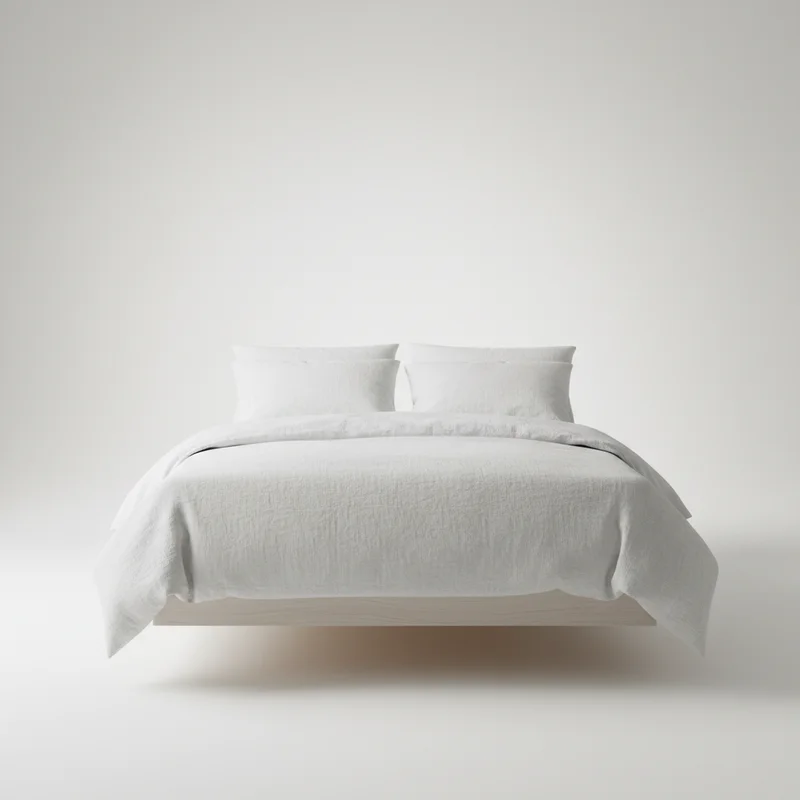
Bed
The modern bed represents centuries of engineering refinement dedicated to a single purpose: optimal human rest. Memory foam adapts to body contours. Pocket springs distribute weight with precision. Pillow-top layers provide surface cushioning whilst maintaining structural integrity beneath. A quality mattress supports the spine in neutral alignment, reducing pressure points and facilitating uninterrupted sleep cycles.
The bed makes no demands. It does not require feeding, walking, or acknowledgment of its emotional state. It occupies a fixed footprint and maintains that footprint throughout the night without expansion, rotation, or sudden repositioning at 3:47 in the morning.
VERDICT
The bed was specifically designed for comfort. The dog's comfort contributions are real but incidental to its primary purpose of being a dog.