
Dog
The domestic dog exhibits what behavioural scientists classify as hypersocial attachment. Studies utilising functional MRI scanning reveal that dogs experience genuine neurological responses to their owners' scent, with reward centres activating in patterns indistinguishable from those observed during the anticipation of food. A dog's loyalty is not transactional; it persists through financial ruin, social disgrace, and persistent failure to provide the promised walk.
Research from Eotvos Lorand University demonstrates that dogs will choose proximity to their owners over food rewards when given the option. This represents a sacrifice of immediate biological gratification for the abstract benefit of companionship, a behaviour previously thought unique to humans and certain primates.
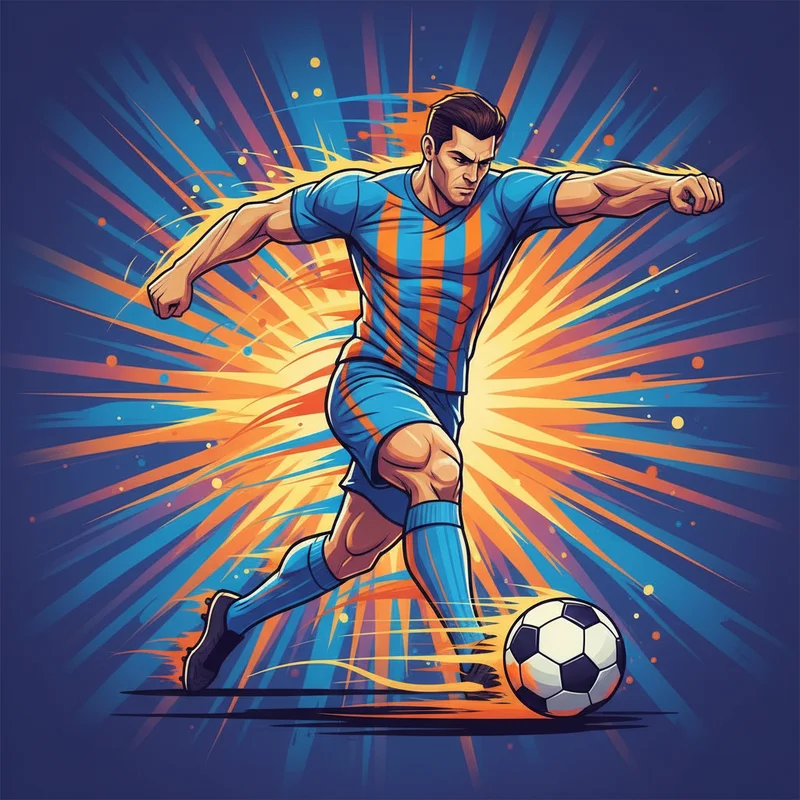
Football
Football commands devotion that spans generations, with research indicating that 72 percent of fans inherit their team allegiance from family members. This loyalty persists through decades of disappointing performances, administrative scandals, and the departure of beloved players to rival clubs for marginally superior salaries. A football fan's commitment has been described by sociologists as tribal identification, a primal bonding mechanism repurposed for the modern era.
However, football's loyalty flows in one direction only. The sport does not recognise individual fans. It cannot distinguish between supporters who have attended every home match since 1987 and those who purchased a replica shirt last Tuesday. Football accepts devotion without reciprocating it.
VERDICT
Dogs provide bidirectional loyalty. Football provides an asymmetric emotional arrangement in which humans invest deeply in an entity incapable of caring whether they exist.