
Dog
The average dog enjoys a lifespan of 10 to 13 years, depending on breed, size, and the whims of canine genetics. During this decade-plus of existence, a dog maintains consistent functionality as a companion, alarm system, exercise motivator, and emotional support mechanism. A well-maintained dog of advanced age may experience reduced mobility but rarely loses its capacity for affection.
From a durability standpoint, dogs represent a long-term investment in companionship capital. They do not expire on a shelf. They do not go stale. They remain operational for years, adapting their service profile as circumstances require. A puppy that begins as a chaotic disruption eventually matures into a dignified presence by the fireplace.
French Fries
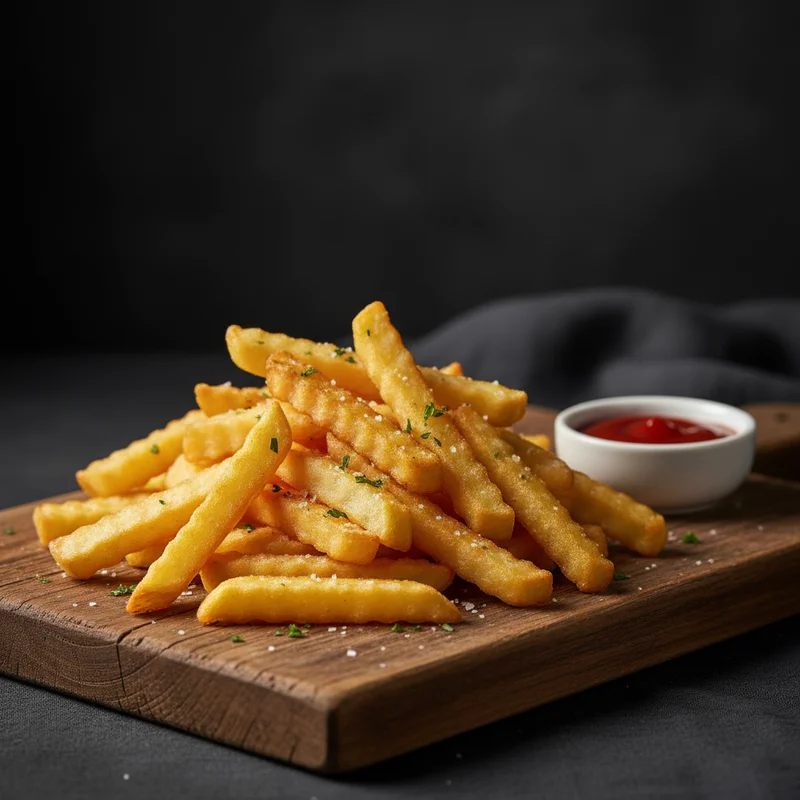
French fries possess one of the most precipitous quality degradation curves in the entire food spectrum. At the moment of service, a french fry achieves peak performance: exterior crispness at optimal levels, interior fluffy, temperature ideal for immediate consumption. Within seven minutes, this perfection begins its irreversible decline. By the fifteen-minute mark, the fry has transformed into a limp, room-temperature disappointment.
Refrigeration offers no salvation. Reheating produces results that food scientists describe as texturally catastrophic. The french fry is, in essence, a mayfly of the culinary world: born into a brief window of excellence, followed by rapid and total decline. No other food item combines such heights of initial quality with such depths of subsequent deterioration.
VERDICT
The mathematics of durability favour the dog by orders of magnitude. A single dog provides over 100,000 hours of companionship across its lifespan. A serving of french fries provides approximately seven minutes of optimal experience. The dog represents a durable asset; the french fry represents a rapidly depreciating commodity.