Dog
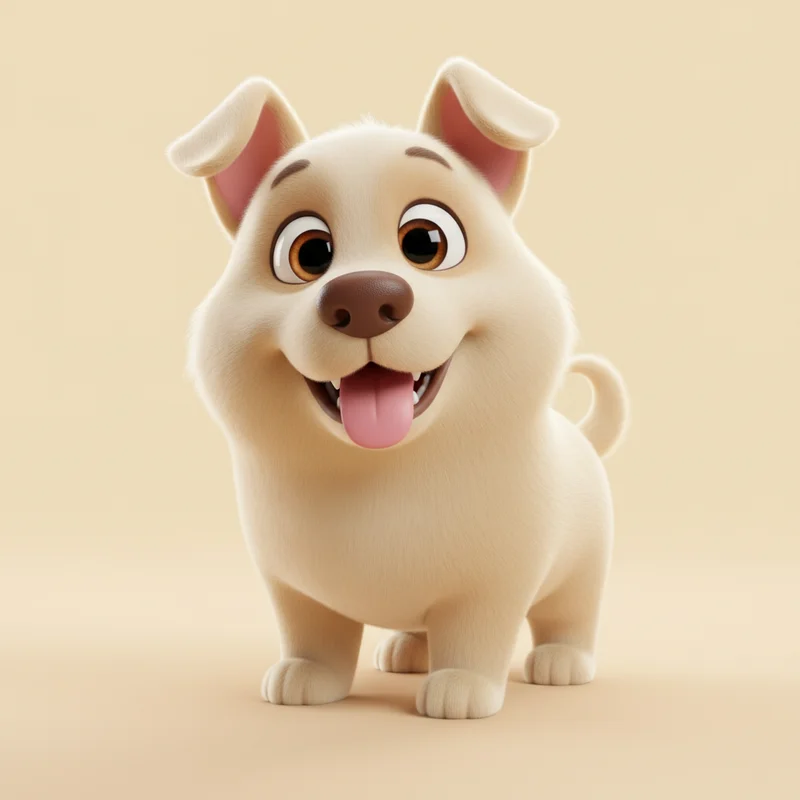
The dog's adaptability defies scientific comprehension. From the frozen tundra of Siberia to the sweltering apartments of Singapore, Canis lupus familiaris thrives in environments that would reduce other species to evolutionary footnotes. More remarkably, dogs have diversified into over 340 recognised breeds, ranging from the 1.5-kilogram Chihuahua to the 90-kilogram English Mastiff. This phenotypic plasticity represents the fastest documented morphological radiation in mammalian history. Whether serving as sled dogs in Alaska, truffle hunters in Italy, or emotional support animals in therapy clinics, dogs adapt their behaviour, diet, and even sleep patterns to match human expectations with uncanny precision.
Giraffe
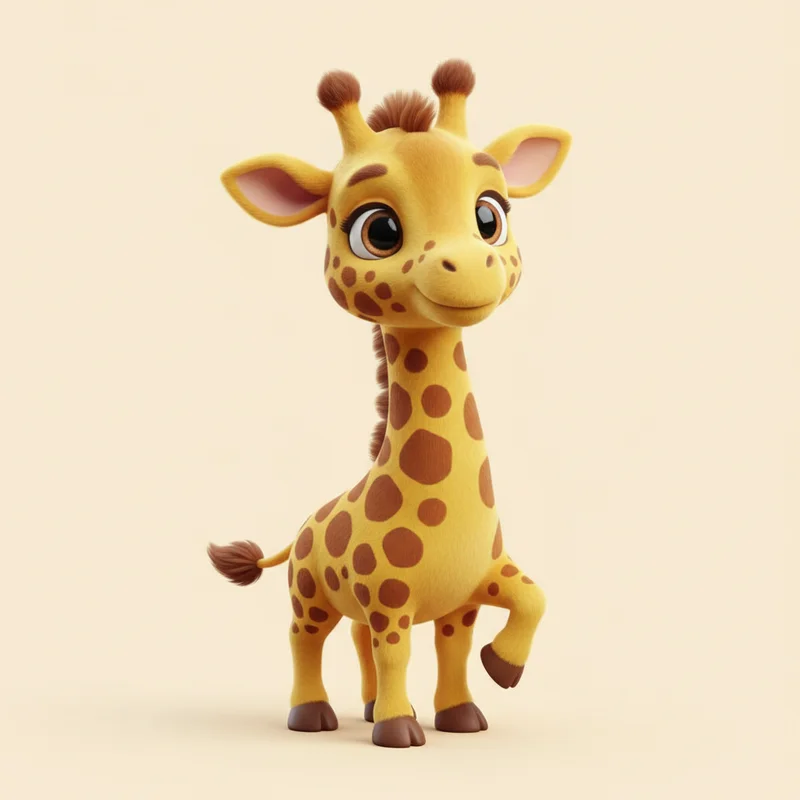
The giraffe, by contrast, has committed entirely to one environmental niche. Its adaptations are extraordinary but inflexible. The cardiovascular system alone represents an engineering marvel: a heart weighing up to 11 kilograms generates blood pressure twice that of humans to force blood six feet vertically to the brain. Specialised valves prevent cerebral haemorrhage when the giraffe lowers its head. Yet these magnificent adaptations confine the species to African savannahs where acacia trees grow. A giraffe cannot live in a Norwegian winter, nor would it survive a week in the Amazon. Evolution gave it height; it took away options.
VERDICT
While the giraffe's specialised adaptations are genuinely awe-inspiring, the dog's ecological flexibility represents a superior evolutionary achievement. A species that can thrive from sea level to Himalayan monasteries, from Arctic conditions to desert climates, has fundamentally solved the adaptability problem. The giraffe remains a prisoner of its own magnificence.